Redeemed Christian Church of God, Amazing Grace Sanctuary, Enschede, in the Netherlands, Receives Wonder of Worship Grant from Columbia Theological Seminary
January 2025 – The Redeemed Christian Church of God, Amazing Grace Sanctuary, Enschede, Netherlands, has been awarded a Quick Wins grant from the Wonder of Worship program at Columbia Theological Seminary. The grant, secured by Dr. Ayodele John Alonge, will support the church’s efforts to nurture children’s engagement in worship through innovative initiatives.
Funded by the Lilly Endowment’s Nurturing Children Through Worship and Prayer Initiative, the $1,000 grants are available to congregations of all denominations. The program aims to enhance children’s worship and prayer experiences, encouraging creative approaches to spiritual development.
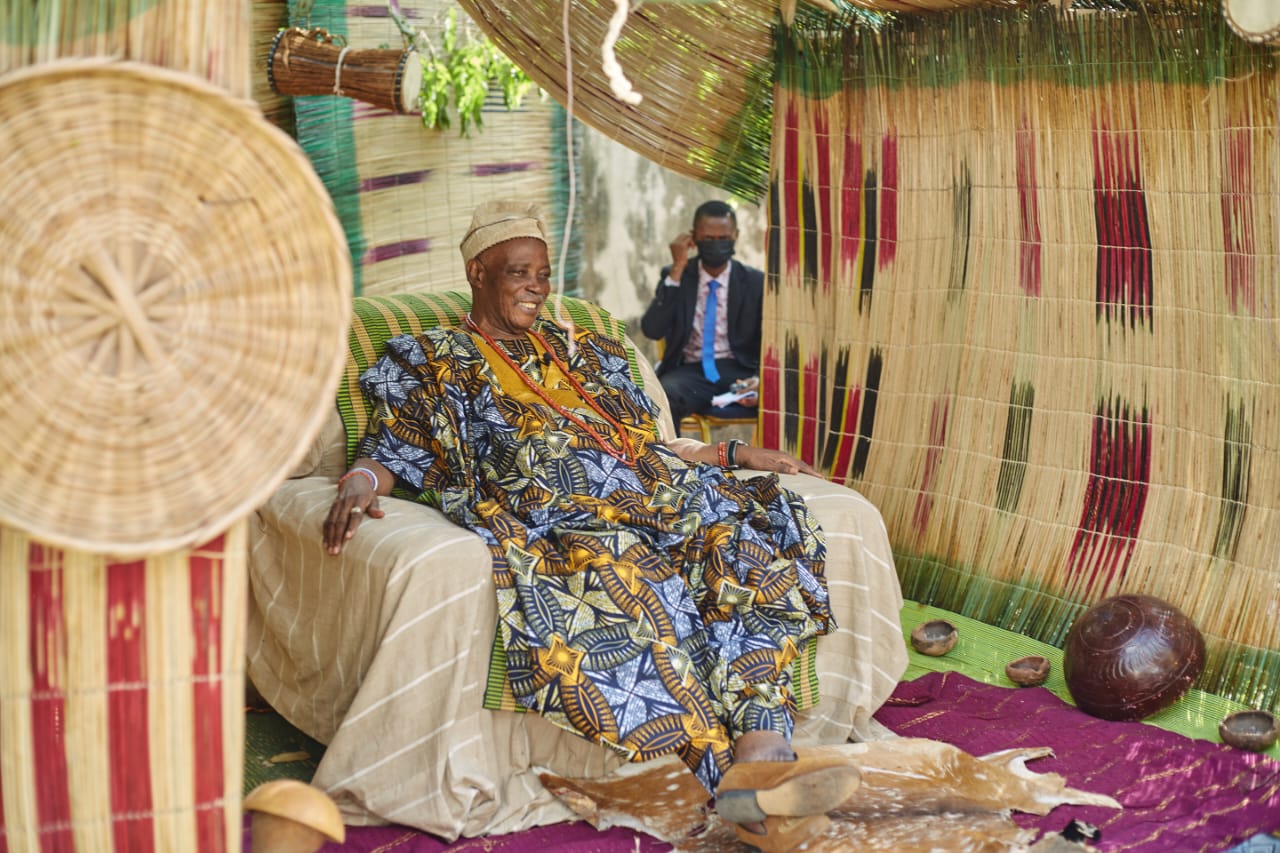
Dr. John Alonge (second from the back row) at the Fall 2024 Godly Play Training, another significant initiative of Wonder of Worship.
“Churches in the first round of these grants have proposed many creative ways of using this money, from building worship training resources to hiring consultants to aid in writing more child-friendly liturgy,” said Dr. Kathy L. Dawson, project director for the Wonder of Worship grant program. “Some are renovating cry rooms to enhance family participation in the service, and others are developing programs for child leadership of worship. I’ve been amazed by the creativity in our partner churches so far and look forward to what this second round of Quick Wins grants will bring.”
The Amazing Grace Sanctuary is among 80 congregations selected in this round and plans to utilize the funds to implement a range of child-centered worship enhancements, including:
Integrating age-appropriate technology, such as interactive screens and multimedia presentations, to captivate children’s attention and enhance worship activities.
Introducing interactive worship elements, including participatory music activities and storytelling, to actively engage children in meaningful worship experiences.
Providing dedicated children’s musical instruments, such as keyboards, tambourines, and hand drums, to foster musical skills and encourage active participation in worship services.
With this grant, the Redeemed Christian Church of God, Amazing Grace Sanctuary, Enschede, reaffirms its commitment to fostering a vibrant, inclusive, and spiritually enriching worship environment for children. The initiative aligns with the church’s broader mission to nurture young believers and deepen their connection to faith through engaging and meaningful worship experiences.
Building Success: Key Steps to Establishing and Managing Enterprises in Nigeria as an Infopreneur
In today’s information-driven world, infopreneurship is rapidly gaining traction as a viable and rewarding business model. Combining the power of information with entrepreneurial spirit, infopreneurs create and deliver knowledge-based products and services to meet the specific needs of their target audience. Whether you’re crafting an e-learning platform, providing consulting services, or curating a digital library, establishing and managing an infopreneurial enterprise requires strategic planning and innovative thinking.
Find out how to apply the key steps for establishing and managing enterprises to succeed as an infopreneur in Nigeria’s dynamic market.
Establishing an Infopreneurial Enterprise
Infopreneurship starts with recognizing the value of information and leveraging it to solve real-world problems.
1. Identify a Niche Market
Infopreneurs thrive by addressing specific, underserved needs. Examples of niche markets include:
Curated reading lists for bibliotherapy.
Online courses on niche topics like digital archiving or metadata management.
Research services for academic and corporate clients.
Conduct market research to identify gaps where your expertise can provide solutions.
2. Develop a Business Plan
Your business plan should clearly articulate:
The value proposition of your information-based services.
Target audience and marketing strategies.
Revenue streams (e.g., subscriptions, consulting fees, or one-time product sales).
3. Secure Funding
As an infopreneur, startup costs can be relatively low, but you still need initial funding for:
Building a website or digital platform.
Purchasing necessary tools (e.g., e-learning software or content management systems).
Marketing and branding efforts.
Explore options like grants, personal savings, or crowdfunding platforms.
4. Register Your Business
Register with the Corporate Affairs Commission (CAC) and ensure compliance with intellectual property laws to protect your content.
5. Build Your Team
For solo infopreneurs, outsourcing tasks like graphic design, content writing, or website management can help you scale. For larger ventures, hire skilled professionals who align with your vision.
6. Set Up Your Digital Workspace
Most infopreneurial businesses are digital-first. Invest in:
A professional website.
Tools for content creation, delivery, and analytics (e.g., LMS platforms, email marketing tools).
7. Market Your Infopreneurial Services
Use social media, blogs, and email campaigns to reach your target audience. Highlight your expertise through free resources like webinars, eBooks, or tutorials to attract clients.
Managing an Infopreneurial Enterprise
Once established, effective management ensures your business thrives.
1. Focus on Content Quality
High-quality, accurate, and relevant information is the foundation of your business. Continuously update and improve your offerings.
2. Build Strong Customer Relationships
Engage with your audience through personalized communication, responsive customer support, and regular updates.
3. Leverage Technology
Adopt tools like:
Learning Management Systems (LMS) for course delivery.
Customer Relationship Management (CRM) software to track client interactions.
Analytics tools to measure engagement and refine strategies.
4. Financial Management
Track income and expenses diligently. Infopreneurs often benefit from diversifying income streams, such as combining digital products (eBooks) with live services (webinars or consulting).
5. Embrace Innovation
Stay ahead by exploring emerging trends, such as AI-powered content creation, augmented reality for immersive learning, or blockchain for secure data transactions.
6. Collaborate and Network
Form partnerships with libraries, educational institutions, or other infopreneurs to expand your reach and credibility.
Budgeting for Infopreneurs
Budgeting is critical for infopreneurship success.
Initial Costs: Website development, content creation tools, marketing, and professional services.
Ongoing Costs: Platform subscriptions, software updates, and advertising.
Always allocate funds for research and innovation to keep your offerings competitive and relevant.
Final Thoughts
Infopreneurship represents a unique opportunity to turn your knowledge and expertise into a sustainable enterprise. By combining the principles of traditional entrepreneurship with the power of information, you can create value for your audience while achieving personal and professional growth.
💬 Are you an aspiring infopreneur, or do you already run an information-based business? What challenges have you faced, and what strategies have worked for you? Share your thoughts in the comments below!
OptimisticScholar New Year Editorial: Revolutionizing Research in 2025 with SciSpace
As we step into 2025 with renewed energy and aspirations, the OptimisticScholar community is excited to spotlight SciSpace, a groundbreaking platform transforming the research experience for students, academics, researchers, librarians, and lecturers alike. If there’s one resolution worth making this year, it’s embracing tools that simplify your academic journey and empower you to focus on meaningful work.
SciSpace, formerly known as Typeset, has redefined how research is conducted, written, and shared. Designed as an all-in-one research companion, SciSpace combines artificial intelligence with academic precision to offer researchers the fastest and most efficient solutions at all levels. Whether you’re drafting your first manuscript or navigating the nuances of journal submission requirements, SciSpace promises an excellent research experience.
A Game-Changer for Researchers, Educators, and Librarians
Academic professionals often grapple with challenges like tight deadlines, complex formatting rules, and endless journal guidelines. SciSpace eliminates these barriers, empowering researchers to do what they do best—produce impactful work that advances knowledge.
Key Benefits for Academics:
For Students: Simplify thesis writing and access research materials effortlessly.
For Researchers: Save precious hours with automated formatting and AI-assisted insights.
For Lecturers: Collaborate on projects, co-author papers, and mentor students efficiently.
For Librarians: Organize, access, and disseminate research resources with cutting-edge precision.
What Makes SciSpace Unique?
1. Effortless Formatting for Journals
Tired of reformatting your work for different journals? SciSpace has a database of thousands of journal templates. Submit your work with confidence, knowing every detail meets the publisher’s requirements.
2. AI-Powered Research Assistant
Need help navigating dense academic materials? The AI assistant breaks down complex concepts, finds relevant studies, and even summarizes papers, ensuring you never miss a critical insight.
3. Real-Time Collaboration
Whether you’re collaborating with colleagues across departments or continents, SciSpace simplifies teamwork. Real-time editing, commenting, and sharing keep everyone aligned.
4. Integration with Your Favorite Tools
Seamlessly work with LaTeX, Google Docs, and Microsoft Word. SciSpace integrates with these tools, allowing you to continue working in familiar environments.
Why 2025 Is the Year to Use SciSpace
The research landscape is evolving, and so should your tools. SciSpace’s AI-driven capabilities aren’t just about saving time—they’re about enhancing your academic output. With precise formatting, intuitive collaboration features, and access to a wealth of journal resources, SciSpace equips you to meet your academic goals with confidence.
This year, make research less about the hurdles and more about the discoveries. Whether you’re a lecturer crafting a lecture series, a librarian assisting researchers, or a student striving for academic excellence, SciSpace is your ally.
A Vision for Academic Excellence
At OptimisticScholar, we believe that academic success stems from leveraging the right tools and fostering a community of empowered learners and educators. As we embrace 2025, let SciSpace be a part of your journey. It’s more than a platform—it’s a partner in your pursuit of knowledge.
Subscribe to SciSpace
Visit SciSpace and explore how it can redefine your research process.
Let’s make 2025 a year of groundbreaking research and collaboration. With SciSpace at your fingertips, the possibilities are endless. Welcome to an excellent year of academic exploration, innovation, and success!
Happy New Year from all of us at OptimisticScholar!
Looking Ahead: 2025 Conferences and Opportunities for Growth
As 2025 begins, it feels like the opening of a new chapter—a year filled with opportunities to learn, explore, and achieve meaningful goals. For me, it’s a chance to grow as a multidisciplinary scholar in information, communication, library science, education, and digital transformation.
Moving forward with excitement, I’m ready to embrace the opportunities this year brings. Like the speed of light, may 2025 propel us closer to our dreams, overflowing with happiness, love, and unforgettable moments that make every step of the journey worthwhile.
With conferences and events spanning continents, I’m eager to innovate, collaborate, and expand professionally. Each gathering is a doorway to new connections and possibilities, strengthening our collective vision for the future.
This year, I move forward with purpose, enthusiasm, and optimism, dedicated to making a meaningful impact. The path ahead is filled with promise
2025 Conferences & Events to Watch
1. Digital Society School Showcase
Date: January 22, 2025
Location: Amsterdam University of Applied Sciences, Netherlands
Details: Discover innovative solutions from trainees and partners aimed at transformation and positive impact.
Details: A premier event highlighting the integration of emerging technologies into library services, offering practical insights to enhance operations through innovation.
Details: Hosted by Research Libraries UK, this conference explores the evolving role of libraries as trusted spaces for knowledge and integrity, with a focus on research and collaboration.
4. International Conference on AI and Sustainable Knowledge Systems (ICSKS 2025)
Date: April 14–16, 2025
Location: Karatina University, Kenya
Details: This multidisciplinary conference explores AI’s role in sustainable knowledge systems, offering hands-on workshops and discussions on innovative solutions for global challenges.
I’m privileged to be a co-chair for this conference, and I will be speaking on AI for Green Libraries and Sustainable Practices, focusing on how AI can enhance green libraries by optimizing resource efficiency, reducing environmental impact, and promoting sustainable practices in information management
5. The 6th AfLIA Conference and 8th African Library Summit
Date: May 18–23, 2025
Location: Windhoek International Convention Centre, Namibia
Details: Bringing together library professionals across Africa, this conference focuses on advocacy, leadership, and innovative practices for community engagement.
Details: This conference bridges data science, library science, and sustainable development, with an emphasis on open data and knowledge accessibility.
Details: Atla Annual provides an exceptional platform for theological librarians and information professionals to connect, share ideas, and explore the latest developments in theological libraries and research.
10. American Library Association (ALA) Annual Conference 2025
Date: June 26–July 1, 2025
Location: Philadelphia, Pennsylvania, USA
Details: The largest global gathering of library professionals, technologists, and educators, the ALA Conference is a hub for exploring trends and innovations shaping libraries worldwide.
11. IFLA World Library and Information Congress 2025
Date: August 18–22, 2025
Location: Astana, Kazakhstan
Details: This flagship international event brings together professionals to discuss global access to information, emerging trends, and key challenges in the library field.
Details: Focused on advancing library services and fostering global collaboration, this event provides valuable insights into emerging technologies and practices.
As the year unfolds, I look forward to both professional milestones and the joy of personal growth. These evets and many moe are stepping stones to achieving my goals and creating lasting memories. May 2025 propel us all toward our dreams, filled with happiness, love, and success.
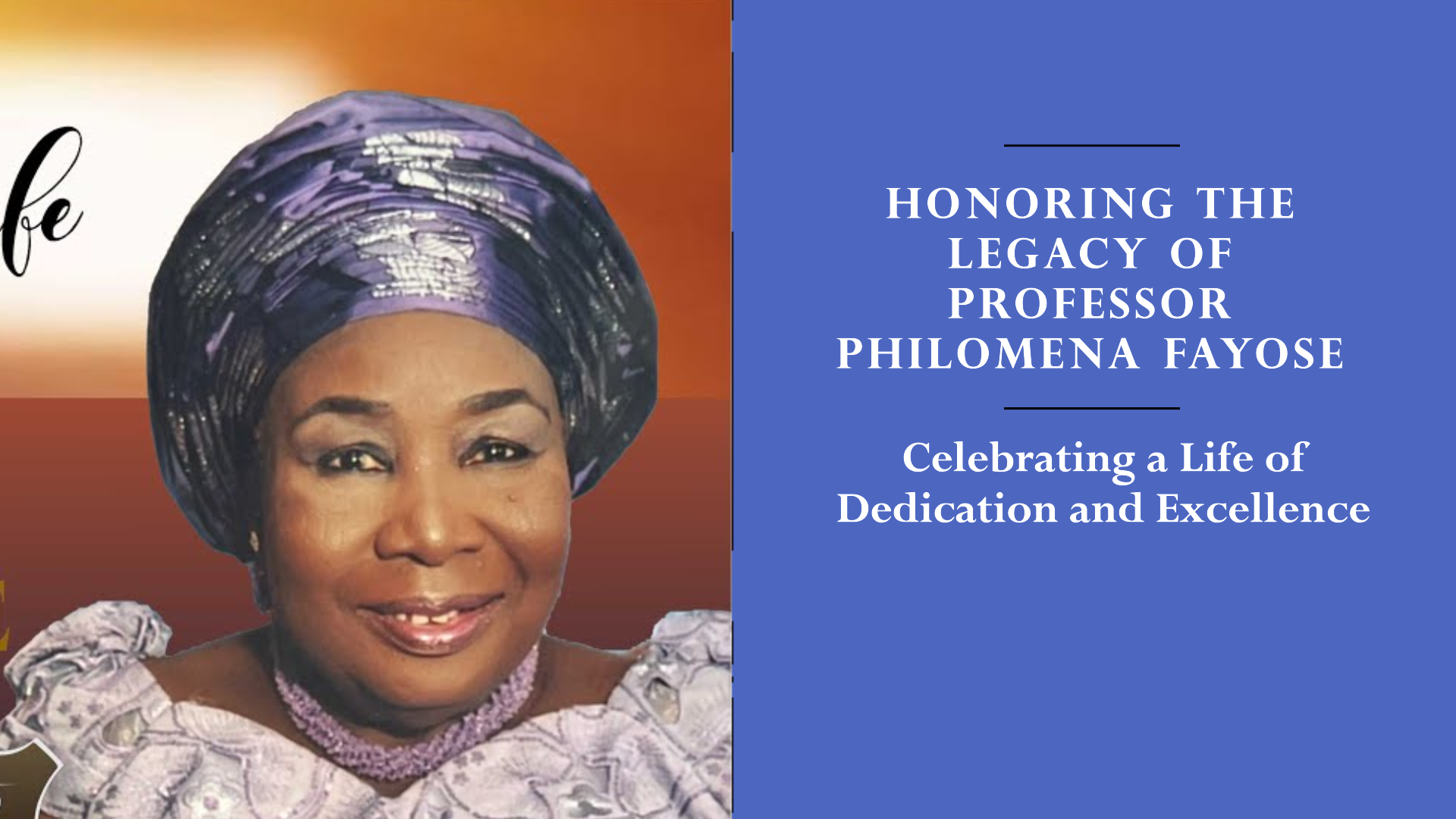
Renowned LIS Scholar Professor Philomena Fayose Passes Away at 87
The academic world and the Library and Information Science (LIS) community in Nigeria are mourning the loss of one of their most revered figures, Professor Philomena Osazee Esigbemi Fayose, who passed away on October 24, 2024, at the age of 87.
A pioneer in LIS education and a passionate advocate for children’s literature, Professor Fayose’s life was a testament to academic excellence and societal impact. Her contributions have left an indelible mark on education and scholarship in Nigeria.
A Scholar’s Journey
Born in 1937, Professor Fayose’s dedication to education was evident early in her life. She earned a Master’s degree in Library Studies and Education from the University of Technology, Loughborough, UK, and later a Ph.D. in Literary Studies from the University of Ife (now Obafemi Awolowo University), Nigeria.
Her career was deeply rooted in advancing LIS education in Nigeria. She served as a Reader in the Department of Library, Archival, and Information Studies (LARIS) at the University of Ibadan. Upon her retirement in 2004, she left behind a legacy of excellence that continues to inspire generations.
Championing Children’s Literature
A prolific writer, Professor Fayose’s contributions to children’s literature are celebrated across Nigeria. Her landmark book, Nigerian Children’s Literature in English (1995), explored the development and significance of children’s stories in shaping cultural and educational values. Another influential work, A Guide to Children’s Literature for African Teachers, Librarians, and Parents, became a key resource for educators and caregivers in fostering literacy and intellectual growth among young readers.
A Celebrated Legacy
Professor Philomena Fayose’s influence reached far beyond the classroom, leaving an indelible mark on Nigeria’s Library and Information Science (LIS) landscape. Renowned for her humility and intellectual rigor, she served as a mentor to countless students and professionals, solidifying her position as a foundational figure in LIS education in Nigeria.
Her exceptional contributions were recognized and celebrated by the University of Ibadan and the Department of Library, Archival, and Information Studies (LARIS) throughout her career and upon her retirement. These honors culminated in a heartfelt funeral ceremony held on Friday, December 6, 2024, at Trenchard Hall. During this event, the Vice-Chancellor, Professor Kayode Adebowale, mni, FAS, fspsp, delivered a moving oration that highlighted her unparalleled contributions to scholarship and mentorship.
The ceremony, attended by family members, former colleagues, university leaders, and academic scholars, underscored the deep respect and admiration Professor Fayose commanded throughout her life and career. Her legacy remains a source of inspiration for generations in LIS and beyond. For the full oration, visit Funeral Oration by Professor Kayode Adebowale.
A Lasting Influence
Tributes from the academic and Library and Information Science (LIS) communities highlight Professor Philomena Fayose as a builder of minds, a custodian of knowledge, and a visionary in education. Her pioneering contributions to LIS and children’s literature have inspired countless scholars and educators, shaping the future of education in Nigeria and beyond.
Her publications remain vital resources, championing storytelling’s role in cultural preservation and intellectual growth. Colleagues and students remember her as a compassionate mentor who balanced intellectual rigor with humility. Professor Fayose’s legacy endures in the lives she touched and the knowledge she advanced, serving as a beacon of inspiration for future generations. She will forever be remembered as a pioneer and a transformative force in education.
Celebrating Culture Through Storytelling: Inaugural “Storytelling with the Legends” Event at University of Ibadan
Ibadan, Nigeria—November 23, 2024:
The timeless art of storytelling took center stage at the inaugural “Storytelling with the Legends” event hosted by the Department of School Library and Media Technology at the University of Ibadan. Held on Saturday, November 23, 2024, the event celebrated Nigeria’s rich cultural heritage while honoring legendary figures who have left indelible marks on the nation’s history. This maiden edition spotlighted His Royal Highness and Excellency, Oba (Senator) Rashidi Adewolu Ladoja, in a dual celebration of his profound contributions to Nigeria and his 80th birthday.
The event drew a diverse audience, including children, students, faculty members, chiefs of Ibadanland, elder statesmen, and educators. It inspired participants to embrace the values of resilience, wisdom, and cultural pride through the transformative power of storytelling.
Aims of the Event
The “Storytelling with the Legends” series seeks to bridge the generational divide by connecting young minds with the wisdom and experiences of Nigeria’s iconic figures. Its objectives include:
Promoting storytelling as a tool to educate the youth about Nigeria’s diverse history and traditions.
Instilling values such as resilience, integrity, and cultural pride among participants.
Encouraging a strong reading culture among children and young adults.
Celebrating the legacies of individuals who have shaped Nigeria’s socio-political and cultural landscapes.
Event Highlights
The event featured several notable moments that resonated deeply with attendees:
Welcome and Opening Remarks
The Vice-Chancellor of the University of Ibadan, Professor Kayode Adebowale, represented by Professor Mojeed K. Akinsola, delivered a heartwarming address, commending Oba Ladoja for gracing the occasion. Dr. K. A. Aramide, Head of the Department of School Library and Media Technology, set the tone with an inspiring opening speech. Esteemed dignitaries from academia, professional bodies, and cultural communities also graced the event.
Oba Rashidi Ladoja with Dr. Kolawole Aramide (seating), HOD, SLMT, UI
Storytelling Session with Oba Ladoja
Oba Ladoja captivated the audience with anecdotes from his life, weaving together Yoruba traditions and his personal journey from childhood to becoming a respected monarch and politician. His stories highlighted themes of resilience, community service, and justice, imparting valuable life lessons to the young and old alike.
Interactive Q&A Session
A lively Q&A session allowed attendees to engage directly with Oba Ladoja. His candid responses, filled with humor and wisdom, provided practical advice on embracing change, overcoming challenges, and living with integrity.
Children’s Cultural Activities
Children from invited schools and cultural troupes such as the Asantiwa Group added vibrancy to the event with cultural performances. The Director of the Nigerian Copyright Commission, Oyo State office, distributed books to participating schools, further promoting literacy and education.
Cultural Impact
The event underscored the enduring relevance of storytelling in preserving cultural heritage and values. Oba Ladoja’s narratives left attendees inspired by his leadership and commitment to community service, emphasizing the importance of honoring one’s roots while striving for excellence.
A Vision for the Future
As the Department of School Library and Media Technology continues to champion literacy, cultural awareness, and community engagement, the “Storytelling with the Legends” series is set to become a cornerstone initiative. With plans to expand and feature more legends, the program aspires to inspire future generations to cherish Nigeria’s cultural heritage while cultivating moral and intellectual growth.
The success of this inaugural event serves as a testament to the power of storytelling in shaping a brighter future for Nigeria’s youth, fostering creativity, and building a cohesive society grounded in shared values.
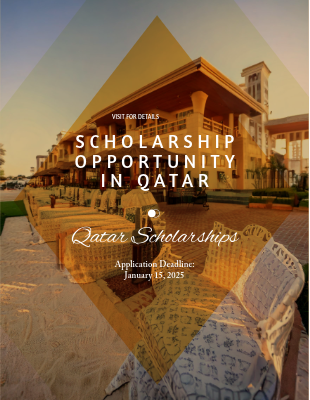
If you want to pursue a postgraduate degree in Qatar, the 2025 Doha Institute for Graduate Studies Scholarship could be your pathway. This fully funded scholarship aims to attract outstanding students globally, covering all expenses from tuition fees to accommodation and monthly stipends. Discover the details, eligibility, and application process to start your journey to Qatar.
Scholarship Summary
Host Country: Qatar
Study Level: Masters | PhD
Eligible Countries: All
Reward: Full Tuition, Accommodation, Stipends, Roundtrip Airfare
No IELTS Requirement
Application Deadline: January 15, 2025
Scholarship Benefits
The Doha Institute for Graduate Studies offers comprehensive scholarships for both national and international students, with benefits including:
Full Tuition Coverage
Accommodation in Institute Dormitories
Monthly Stipend
Health Insurance
Roundtrip Airfare
Scholarship Categories
Tamim Scholarships: Merit-based scholarships for Qatari and international students with high academic achievements.
SANAD Grant Scholarships: Need-based scholarships for students who demonstrate financial need.
Eligibility Requirements
To qualify for the Doha Institute Scholarship 2025:
Applicants from any nationality may apply.
Candidates must possess a Bachelor’s degree or be in their final year of undergraduate studies.
There are no age restrictions for applicants.
Required Documents
Applicants will need to provide:
Passport or Qatari ID (for Qatar residents)
Bachelor’s Degree Certificate or current transcripts (for final-year students)
Transcripts
Updated Resume (CV)
Two Recommendation Letters
English proficiency proof or certificate from the university
Personal Statement
Academic Essay
Step-by-Step Application Process
To apply for the Doha Institute for Graduate Studies Scholarship:
Visit the official scholarship webpage via the provided link.
Submit an application for a Master’s or PhD degree at the Doha Institute.
Complete the scholarship application form sent by the Admissions Office after admission eligibility confirmation.
Ensure submission of all required documents by January 5, 2025.
Important Dates
Application Open: September 1, 2024
Application Close: January 5, 2025
The 2025 Doha Institute for Graduate Studies Scholarship provides an incredible opportunity to study in Qatar with full financial support.
Teaching Portfolio and Statement of Pedagogical Expertise
-Dr. Ayodele John Alonge
Introduction
Dr. Ayodele John Alonge is an accomplished scholar, educator, and information professional with over 18 years of extensive experience across multiple disciplines, including communication, library science, publishing studies, and archival and records management. His academic journey and career have been characterized by a commitment to utilizing Information and Communication Technology (ICT) to enhance educational practices, bridge theoretical concepts with practical applications, and achieve organizational objectives.
Guided by his foundational philosophy, Dr. Alonge defines education in May 2019 as follows:
“Education is the measured and systematic process of leading the human mind and soul to the best information that is capable of leading to an effective performance of necessary tasks, thereby, creating lifelong skills, experience, or satisfaction.”
Ayodele-John-Alonge-Edcuation-defination.
This definition underpins his teaching philosophy and pedagogical methods, which emphasize engaging students in ways that foster lasting skills, build practical experience, and ultimately lead to a fulfilling and informed life.
Dr. Alonge lecturer in the Department of Library, Archival, and Information Studies at the University of Ibadan, Nigeria (on leave of absence). He is also a visiting scholar at Karatina University, Kenya, and a Digital Transformation Researcher at the Amsterdam University of Applied Sciences, Netherlands. His role at Karatina University includes serving as the Editor-in-Chief for the Interdisciplinary Journal of Contemporary Research in Information and Communication (IJCRIC) and convening the International Conference on AI and Sustainable Knowledge Systems (ICSKS 2025).
His contributions extend beyond academia to significant roles in professional and volunteer settings, where he spearheads the development of innovative library projects, particularly focusing on green library initiatives, and provides consultancy services on emerging technologies in the library and information science field.
Pedagogical Expertise
Dr. Alonge’s pedagogical expertise is deeply rooted in his diverse experiences and continuous professional development. He is known for his ability to foster active, collaborative, and experiential learning environments. His teaching philosophy involves the integration of ICT and innovative pedagogical techniques to enhance student learning outcomes and ensure that students are prepared to meet the demands of the evolving information landscape.
Active and Collaborative Learning
Dr. Alonge employs a variety of active and collaborative learning strategies, including hands-on activities, group work, and practical assignments that allow students to engage deeply with course content. His emphasis on experiential learning ensures that students can apply theoretical knowledge in real-world contexts, enhancing their skills and preparing them for professional practice.
Integration of ICT in Education
With over 18 years of experience in ICT, Dr. Alonge integrates technology into all aspects of his teaching and research activities. He has successfully leveraged digital tools to enhance both learning and information management, and he actively conducts ICT training sessions for academic staff and students to foster digital literacy and improve technology-enhanced learning practices.
Teaching Experience
Current Positions:
Lecturer & Researcher, University of Ibadan, Nigeria (On Leave of Absence):
Pedagogical Expertise: Utilizes diverse teaching methods, including ICT integration, to foster engaging, active, and collaborative learning environments.
Teaching and Assessment: Engages students with effective teaching strategies for both theoretical and practical contexts, evaluates their performance, and monitors their academic growth and progress.
Visiting Scholar, Karatina University, Kenya:
Courses Taught: INS 815 (C) – Introduction to Ethics & Policy, and Information Literacy.
Conference Leadership: Leads the International Conference on AI and Sustainable Knowledge Systems (ICSKS 2025).
Editorial Role: Editor-in-Chief for IJCRIC.
Digital Transformation Researcher, Amsterdam University of Applied Sciences, Netherlands:
Project Management: Oversees service design projects and digital transformation research, applying design thinking methodologies.
Storytelling and Communication: Utilizes storytelling techniques to convey insights and enhance engagement among stakeholders.
Past Positions:
Librarian (Visiting Scholar), University of Groningen, Netherlands (2023-2024):
Managed special collections, focusing on acquisition, cataloging, preservation, and digitization.
Provided research support and facilitated access to special collections for scholars.
Emerging Technology Librarian, University of Ibadan, Nigeria (2013-2018):
Enhanced library services and information access through the integration of emerging technologies.
Conducted ICT training sessions for academic staff and students, promoting digital literacy.
National Communication Analyst, Nigerian Library Association (2017-2021):
Enhanced the communication mission through effective digital communication strategies.
Developed and managed social media strategies to support organizational growth and outreach.
Courses Taught:
Undergraduate Courses:
LIS 101: Introduction to Library, Archives, and Information Studies
LIS 103: Introduction to Information Technology
LIS 411: Evaluation of Library, Archives, and Information Services
LIS 412: Entrepreneurship in Library, Archival, and Information Studies
UCC 100: Information Literacy
MAC 323: Photojournalism
MAC 233: Computer Applications for Media
GST 121: Use of Library, Study Skills & ICT
Postgraduate Courses:
LIS 712: Information Technology in Library Information Centres
ARM 704: Digital Curation for Information Professionals
ARM 713: Automation in Archives and Records Management
MPC 707: Computer Application in Publishing
MPC 712: Issues in Electronic Publishing
CLA 710: Digital Journalism
OIM 704: Emerging Information Technology
LAC 716: Current Trends in Communication Technology
OIM 903: Information Technology Management Cases
CIPR Diploma: Digital Communication
Supervision and Mentorship
Dr. Alonge has successfully supervised numerous undergraduate and postgraduate research projects, demonstrating his ability to mentor and guide students in their academic journeys. His supervision portfolio includes:
22 Undergraduate Projects Supervised
15 Master’s Projects Supervised
3 Ongoing Ph.D. Projects (as of May 2024)
Research Interests and Contributions
Dr. Alonge is actively involved in translating research into practical applications, particularly in areas of digital records curation, archival management, and information ethics. His research interests include:
Digital Records Curation and Preservation: As an expert in archival science, Dr. Alonge’s work emphasizes the importance of integrating modern technologies into archival practices to enhance accessibility, management, and preservation.
Health Information and Communication: He has led several health communication research projects, including studies funded by the Consortium for Advanced Research Training in Africa (CARTA), focusing on HIV awareness through Nollywood movies and other innovative communication channels.
Green Library Initiatives: In his role as Project Director of the Afrelib Green Library Project, Dr. Alonge leads a team dedicated to implementing sustainable library practices and advancing green library standards.
Contributions to Professional Development and Service
Conference Leadership: Dr. Alonge has played a crucial role in organizing several high-profile conferences, such as the International Conference on AI and Sustainable Knowledge Systems (ICSKS 2025).
Special Collections Management: During his tenure as a visiting scholar at the University of Groningen, Dr. Alonge curated special collections, focusing on rare materials, their acquisition, cataloging, preservation, and accessibility.
Social Media and Digital Communication: Dr. Alonge has developed digital communication strategies for various organizations, enhancing public engagement and promoting library services.
Professional Training and Certifications
Digital Records Curation Programme (DRCP), University of Botswana (2019)
Data Science for Information Professionals Summer School, Western University, Canada (2024)
Carnegie CPD Programme, University of Pretoria (2015)
Dr. Alonge’s dedication to continuous professional development is reflected in his participation in advanced training programs and his role in organizing professional development workshops for academic and library staff.
Administrative Experience and Community Engagement
Membership Coordinator, Gideons International (Netherlands): Coordinates membership activities and ensures engagement.
Chair, Computer Committee, Faculty of Education, University of Ibadan (2021-2022): Oversaw ICT integration and emergency remote learning initiatives.
Business Manager, Nigerian Journal of Library and Information Science: Manages editorial activities to maintain quality scholarly output.
Publications and Research Outputs
For a comprehensive list of Dr. Alonge’s publications, including chapters in books, articles in refereed conference proceedings, and journal articles, please visit Publication List.
Conclusion
Dr. Ayodele John Alonge is a distinguished educator, researcher, and professional with a deep commitment to fostering learning environments that are collaborative, technologically integrated, and focused on student success. His philosophy of education, which he defines as the structured process of guiding the mind and soul to transformative information that cultivates lifelong skills and fulfillment, underpins his approach to teaching and mentorship. His expertise in library science, archival management, and digital transformation, combined with his extensive experience in teaching, mentorship, and project leadership, position him as a leading figure in the field of information science. Dr. Alonge’s work continues to make significant contributions to the advancement of library and archival practices, the integration of ICT in education, and the development of sustainable information management systems
For those aspiring to study abroad, the University of Gottingen offers a prestigious opportunity through the DAAD Scholarship, part of the Development-Related Postgraduate Programmes (EPOS) designed specifically for students from developing nations. This scholarship aims to build the professional capacities of international students, equipping them with expertise to foster sustainable development back home.
Overview of the University of Gottingen DAAD Scholarship
The DAAD EPOS Scholarship for postgraduate studies at the University of Gottingen is entirely tuition-free, with a comprehensive financial package that includes a yearly stipend of €11,208, accommodation assistance, travel allowances, and support for accompanying family members.
The program targets talented individuals from developing countries with a chance to pursue a Master’s degree in Germany, positioning them as experts in their field who are well-connected globally—a critical step towards creating a positive impact in their home countries.
Benefits: Full scholarship covering tuition, a stipend of €11,208/year, accommodation, and travel costs
No IELTS Required
Application Deadline: November 15, 2024
Scholarship Details: Why the DAAD EPOS Scholarship?
The University of Gottingen’s DAAD EPOS Scholarship promotes the development of professionals from emerging economies, contributing to sustainable growth and reducing global inequalities. The program is designed for professionals from developing nations who already possess at least two years of professional experience and are ready to further their education in Germany.
Through this scholarship, graduates from all disciplines gain access to postgraduate programs that are not only tuition-free but also enriched with the financial support needed for a comfortable stay. Additionally, doctoral candidates may receive funding under exceptional circumstances.
DAAD Scholarship Requirements at the University of Gottingen
Applicants should meet these key eligibility criteria:
Fulfill the general requirements for the MSc Development Economics as stated on the official website of the University of Gottingen.
Comply with all DAAD EPOS Scholarship eligibility conditions available on the DAAD website.
DAAD Scholarship Benefits
Funding Duration: 12 to 42 months (program-dependent)
Funding Value:
Monthly payments of 934 euros for graduate students or 1,300 euros for doctoral candidates
Comprehensive health, accident, and personal liability insurance
Travel allowances, unless covered by other sources
Additional benefits may include:
Monthly rent subsidies
Family allowances for accompanying dependents
Required Documents for the DAAD Scholarship Application
Aspiring candidates should prepare the following documents for submission:
Completed Application Form
Bachelor’s Degree Certificate
Academic Transcripts
Motivation Letter
Recommendation Letters
Curriculum Vitae (CV/Resume)
Step-by-Step Application Process
Access the Scholarship Page: Visit the official University of Gottingen DAAD Scholarship webpage.
Single Application for Program and Funding: For candidates interested in the MSc Development Economics DAAD EPOS Scholarship, a single application will cover both program admission and scholarship funding.
Application Period: Open from October 1 to November 15 each year for the following winter term (apply October-November 2024 to begin studies in October 2025).
Complete the Online Application: Fill out the application form for the Master’s in Development Economics, then submit it online.
Document Upload: After submission, applicants will receive an email with a unique link and login credentials for the document upload portal.
Upload All Required Documents: Use the portal to upload the necessary documents by the deadline and submit them using the “Binding submission” button.
Virtual Interview for Shortlisted Candidates: Selected applicants will be invited for a virtual interview, lasting about 15 minutes.
Final Selection Notification: Once the selection process is finalized, successful applicants will receive notification regarding their admission and scholarship awards from both the university and DAAD between January and March.
Why Apply for the DAAD EPOS Scholarship at the University of Gottingen?
Securing the DAAD EPOS Scholarship offers a pathway to education in Germany’s highly regarded university system and provides the chance to immerse oneself in an academically rich, multicultural environment. Not only does it offer significant financial support, but it also enables the development of globally relevant expertise, preparing graduates to make transformative contributions to their home countries.
For further information and to start your application, visit the University of Gottingen DAAD Scholarship portal. Apply soon—this fully-funded scholarship could be the next step in your professional and academic journey!
The MAPP Erasmus Mundus Scholarship 2025 offers an incredible opportunity for students worldwide to pursue a master’s degree in public policy at some of Europe’s top universities. Supported by the European Union’s Erasmus+ program, this fully funded scholarship covers tuition fees, provides a generous monthly stipend, and supports travel, visa, and living expenses.
Overview of the MAPP Erasmus Mundus Scholarship 2025
The Erasmus Mundus Masters in Public Policy (MAPP) is a prestigious two-year program that allows students to study at leading European institutions across the UK, Spain, Netherlands, and Austria. It offers flexibility through multiple mobility tracks, allowing scholars to tailor their studies to different public policy fields.
This scholarship is open to applicants from all countries and provides the unique opportunity to deepen their knowledge of European and international public policy while experiencing diverse cultures.
Scholarship Summary
Host Countries: UK, Spain, Netherlands, Austria
Category: Postgraduate/Master’s Scholarships
Eligible Countries: All Countries
Benefits: Full Scholarship, €1,400 Monthly Stipend, Travel & Visa Support
Deadline: February 4, 2025
Benefits of the MAPP Erasmus Mundus Scholarship
Monthly Stipend: €1,400 per month for 24 months (up to €33,600).
Full Tuition Waiver: No tuition fees for the entire duration of the program.
Travel and Visa Support: Financial assistance for travel, visa, and installation costs.
Health Insurance: Comprehensive coverage throughout the study period.
Support for Special Needs: Additional financial support for students with special requirements.
Eligibility Requirements
To qualify for the MAPP Erasmus Mundus Scholarship 2025, applicants must:
Hold a bachelor’s degree of at least three years from a recognized university or higher education institute.
Achieve at least a class 2.1 (Upper Second), B+, or equivalent.
Show high motivation and interest in European and international public policy through a compelling statement of purpose.
Provide proof of English proficiency (unless eligible for a waiver).
Required Documents for Application
Applicants need to prepare the following:
Completed application form.
Two recommendation letters.
Scanned transcripts and diplomas.
A 500-word motivation letter explaining their interest in the program and preferred mobility track.
Proof of English proficiency (if not eligible for a waiver).
Proof of residence (certificate of residency, rental contract, or utility bills).
How to Apply for the MAPP Erasmus Mundus Scholarship
Follow these steps to apply:
Visit the application portal (link on the official Erasmus Mundus MAPP website).
Complete the online application form.
Upload the required supporting documents.
Indicate your interest in the scholarship directly on the application form – there’s no need for a separate scholarship application.
Application Deadline
The deadline to apply for the MAPP Erasmus Mundus Scholarship 2025 is February 4, 2025. Ensure you have all documents ready before this date to increase your chances of success.
This fully funded Erasmus Mundus scholarship offers a life-changing opportunity to study at top European universities, gain invaluable knowledge in public policy, and build an international network.
Don’t miss out on this chance to advance your academic career with the MAPP Erasmus Mundus Scholarship 2025!
For more information, visit the official Erasmus Mundus MAPP website.