Blog

  • Nigeria’s Forestry and Education at a Crossroads: UI Professor Calls for Urgent Reforms

    Nigeria’s Forestry and Education at a Crossroads: UI Professor Calls for Urgent Reforms

    Nigeria’s Forestry at Risk, Warns UI Professor

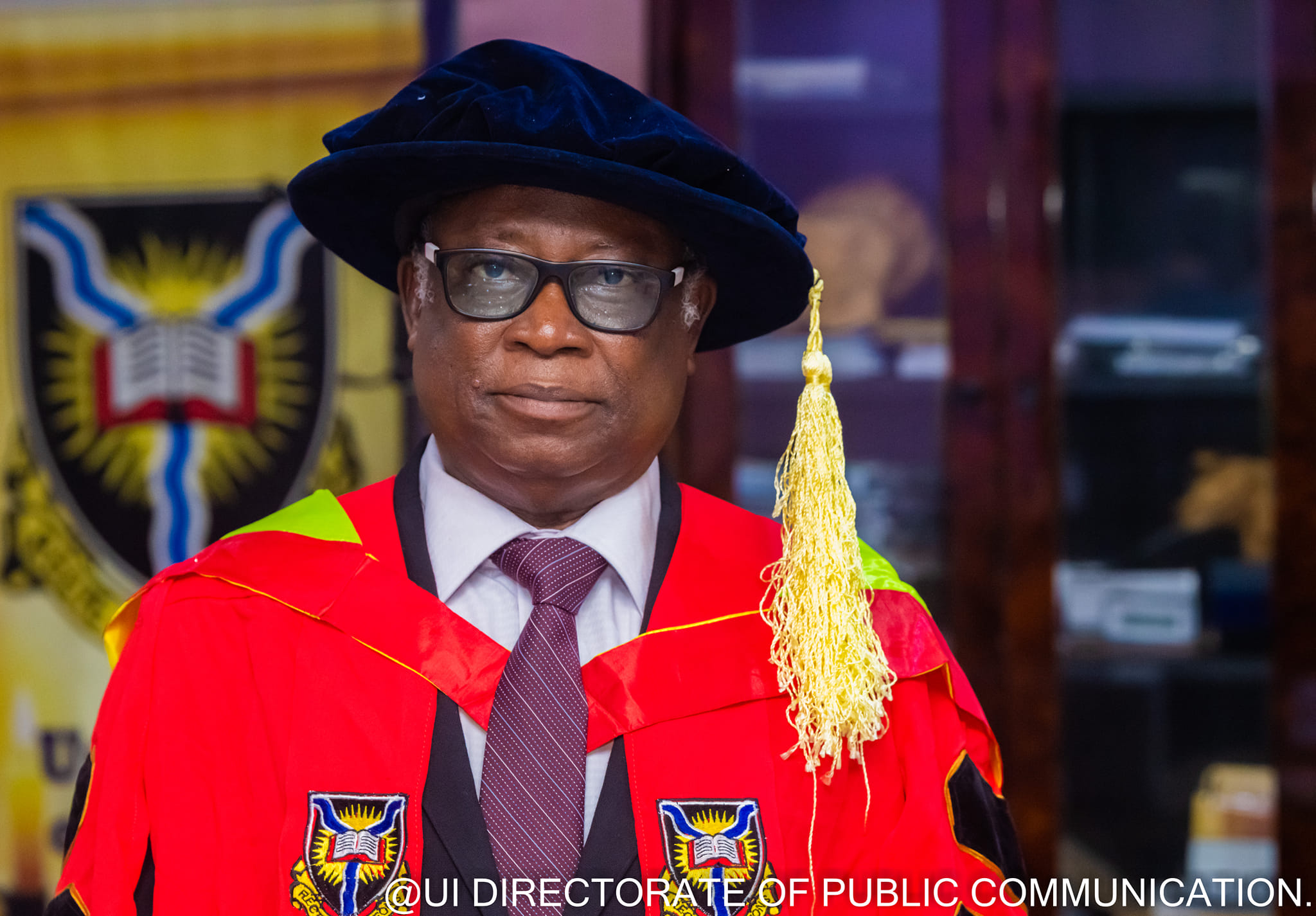
    Nigeria’s forests are facing severe threats, warns Professor Ayodeji Oludare Omole, a Forestry Engineering expert at the University of Ibadan. In his inaugural lecture titled   Working in the Shadows of Death, Professor Omole outlined key challenges in the country’s forestry sector, including rapid population growth, agricultural expansion, illegal logging, and widespread insecurity.

    Speaking at the 561st Inaugural Lecture of the University of Ibadan, he expressed deep concern over the impact of insurgency and violence, particularly in northern Nigeria, which endangers the lives of both farmers and forestry professionals. These security issues have made forest management and reforestation efforts increasingly difficult, further depleting Nigeria’s already threatened forests.

    Professor Omole emphasized that the effects of these attacks stretch beyond the northern regions, with nationwide consequences for economic growth and foreign exchange. He urged the government to focus on promoting reforestation and afforestation, both crucial to restoring ecosystems, mitigating climate change, and improving food security. He stressed the need for financial backing from the government and private institutions to support these initiatives, which would enhance national prosperity and create jobs.

    The professor also called for a dedicated financial allocation to forestry to ensure sustainable management and protect ecosystems and communities reliant on forest resources. Despite the risks, he praised forest engineers for their essential role in managing timber, pulpwood, and other forest products critical for national development. He called for stronger safety measures for these professionals.

    In addition to forestry, Professor Omole, a former ASUU chairman, addressed the crises facing Nigeria’s university system. He described how policies like the Nigerian University System Innovation Portal (NUSIP), the Treasury Single Account (TSA), and the Integrated Personnel and Payroll Information System (IPPIS) are stifling the autonomy and growth of higher education institutions. These policies, he argued, threaten intellectual freedom and the sustainability of Nigerian universities, likening the situation to “working in the shadows of death.”

    Without urgent reforms, the professor warned, the university system could rapidly deteriorate, with damaging consequences for both education and the country’s intellectual future.

     Implications for Stakeholders

    Professor Omole urged swift action to enhance security, reform policies, and boost financial investment in both the forestry and education sectors, ensuring their sustained contribution to Nigeria’s development. In his lecture, Professor Omole highlighted critical challenges facing various stakeholders in these sectors across Nigeria.

    Government and Policymakers
    • Security and Forestry Support:  The government must address insecurity to ensure effective forest management and reforestation. Financial support is also critical for the sustainability of the forestry sector.
    • University Reforms: Urgent policy reforms are necessary to protect academic freedom and the autonomy of Nigeria’s universities.

    Forest Engineers and Professionals

    • Workplace Safety: Forestry professionals face dangerous working conditions due to violence. Improved safety measures and government backing are essential to sustainable forestry.
    • Sustainable Operations: Forestry professionals require financial support to manage forests and ensure a steady supply of timber and other products for national development.
    Financial Institutions
    • Green Investment: Reforestation and afforestation projects present an opportunity for financial institutions to contribute to climate resilience and economic growth through green financing.
    Farmers and Local Communities
    • Protection and Involvement:** Farmers facing violence need government protection. Their active involvement in reforestation efforts is crucial for restoring forest ecosystems.
    Academics and Universities
    • Protecting Autonomy: Current policies are stifling Nigeria’s universities. Reforms are needed to safeguard academic freedom and ensure the quality of education.

    OptimisticScholar proudly congratulates Professor Ayodeji Oludare Omole on the outstanding presentation of his Inaugural Lecture at the University of Ibadan. Your dedication and contributions to forestry research, higher education, and unionism were clearly demonstrated, marking a significant milestone in your esteemed academic career. This achievement reflects your tireless efforts and serves as an inspiration to us all. Congratulations.
    ___

    Source/Credit: Information and images provided by the UI Directorate of Public Communications, sourced from the University of Ibadan’s official Facebook page.
  • Transforming the Future: My First Week at the Digital Society School in the Netherlands

    Transforming the Future: My First Week at the Digital Society School in the Netherlands

    My Digital Transformation Journey at DSS: Week One –  The week of September 2, 2024

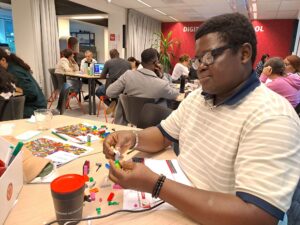
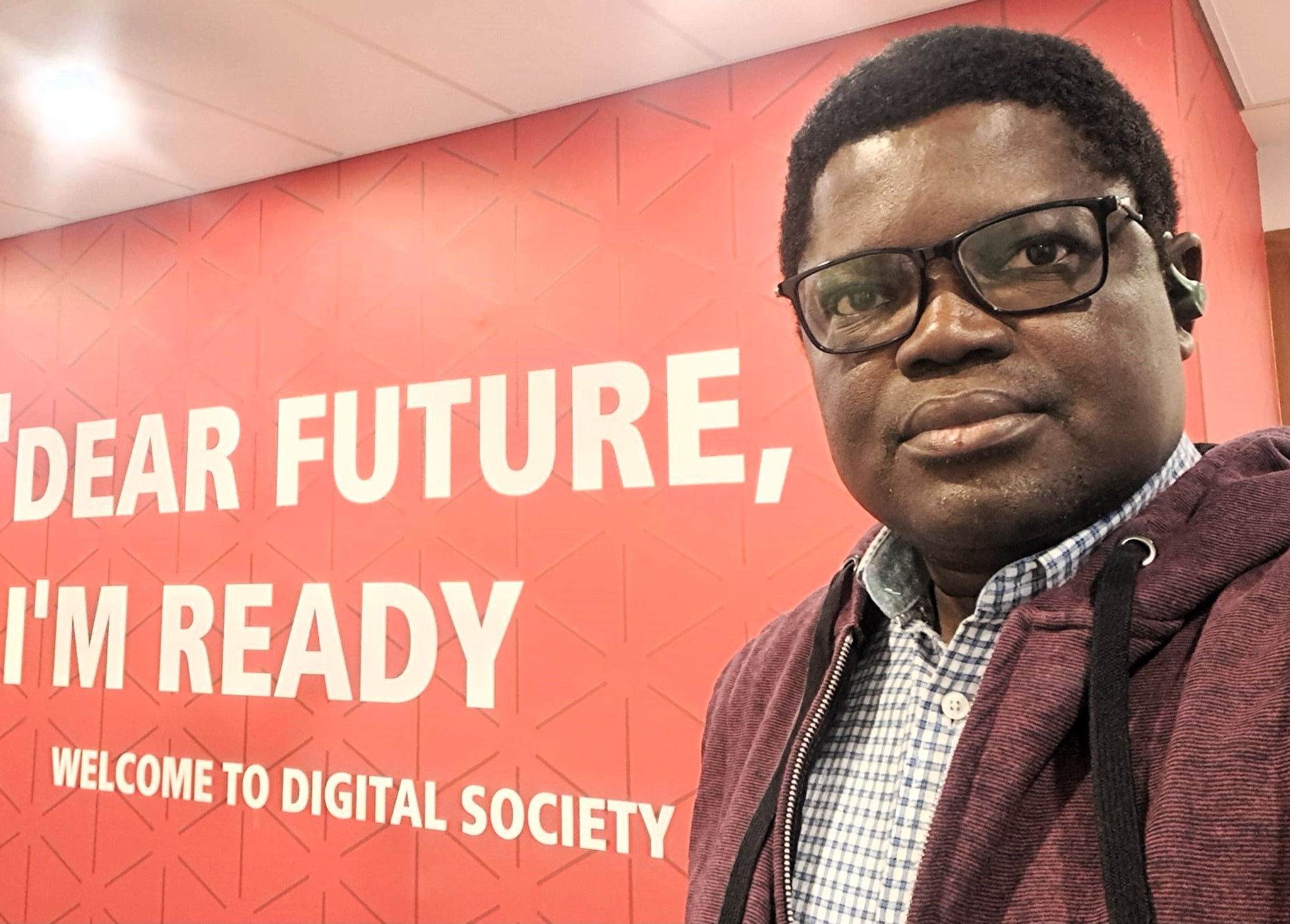
    It’s been a long time coming, but I’m finally here—part of the Fall 2024 cohort at the Digital Society School (DSS) as a Digital Transformation trainee and researcher at the Amsterdam University of Applied Sciences, Netherlands. This moment marks the start of an exciting new chapter in my life: the Digital Transformation Intensive Programme*.  Over the next 20 weeks, this journey promises to challenge me, ignite my creativity, and deepen my understanding of innovation and societal impact.

    Dear future, I’m ready! Let’s go!

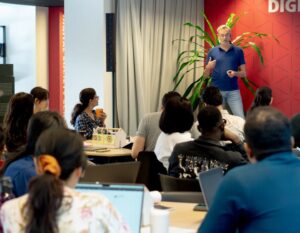
    Our cohort is a melting pot of cultures and disciplines, with individuals from across the globe coming together. Each of us brings a unique professional background, making us a truly multidisciplinary community of changemakers. We are united by a shared commitment to using digital transformation as a tool to address today’s pressing societal challenges. DSS is known for nurturing creativity through its hands-on, experimental approach and fostering a culture of making and learning through practice.
     

    Week One: A Foundation for Growth

    The first week has been a whirlwind of introductions, orientations, and immersive learning. As we settle into this high-energy programme, which blends research, project implementation, and intense sprints, the excitement is palpable.

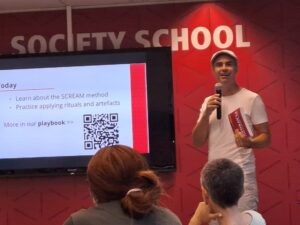
    Our journey began with a heartfelt welcome from Marco van Hout, Co-founder of DSS, and key faculty members from the Digital Society School. The enthusiasm was contagious as they introduced themselves and shared their vision for our time at DSS. Jeroen Groeneveld, DSS’s Talent and Process Coordinator, and Ocean Conijn, Head of Programs guided us through the program’s intricacies, giving us a glimpse of the path ahead.

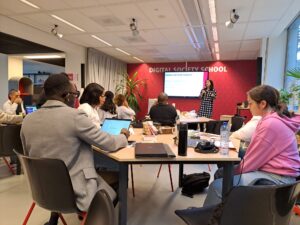
    Discovering SCREAM: A New Approach to Project Management

    One of the highlights of the week was our introduction to SCREAM, a project management methodology that’s uniquely DSS. SCREAM blends elements of **Scrum**, **Creativity**, and **Multidisciplinary Collaboration**, offering a fresh approach to tackling complex digital challenges. As we explored the framework, we dived into its core practices—stand-up meetings, retrospectives, and creative problem-solving.

    By the end of the session, we were already armed with strategies to keep our projects on track, refine prototypes, manage time effectively, and embrace flexibility. SCREAM takes the agile principles of Scrum and infuses it with **Design Thinking**, using creative tension as a catalyst for innovation. Central to this methodology is **Diversity and Inclusion**, ensuring that a broad range of perspectives drive new ideas and solutions.

    Embracing Design Thinking

    Another major theme of the week was **Design Thinking**—a human-centered, creative approach to problem-solving. Rooted in empathy, the process pushes us to deeply understand user needs, define the challenges at hand, brainstorm potential solutions, and test those solutions in iterative cycles.

    What resonated with me most is how Design Thinking encourages us to adopt a beginner’s mindset. It strips away preconceived notions, inviting us to explore with curiosity and creativity. This process is especially valuable when addressing wicked problems—complex, multifaceted issues that lack simple solutions and demand collaboration, adaptability, and constant iteration.

    Designing for Transformation

    Marco van Hout’s session on Designing for Transformation was one of the most thought-provoking moments of the week. He emphasized that, in an era of rapid change, the key to solving today’s societal challenges lies in fostering a learning mindset. This means continuously learning, unlearning, and re-strategizing to adapt to an ever-changing, tech-driven world.

    The practical tools we were introduced to are designed to tackle some of the most pressing global challenges. Marco’s focus on personal growth, adaptability, and the belief that we can continuously improve our skills resonated with me deeply. It reinforced the idea that transformation—whether personal or societal—requires effort, resilience, and a willingness to embrace change.

    Gratitude to the Visionaries

    I want to extend my heartfelt gratitude to the founders of DSS for creating this remarkable initiative with the potential to change the world.

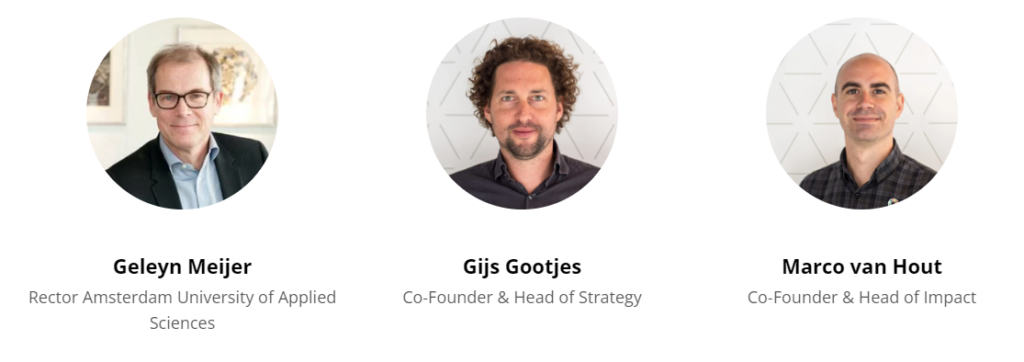
    Special thanks to Geleyn Meijer, Rector of the Amsterdam University of Applied SciencesGijs Gootjes, Co-Founder and Head of Strategy; and Marco van Hout, Co-Founder and Head of Impact. Your visionary leadership is inspiring a new wave of digital transformation for societal good.

    Looking Ahead: Dear Future, I’m Ready!

    As we wrap up week one, it feels like we’ve only just scratched the surface of what’s to come. The next few months will see us exploring even deeper into the realms of digital transformation, societal impact, and real-world applications of the methodologies we’ve begun to explore. I’m eager to see how the journey unfolds as we collaborate, create, and make a meaningful difference.

    Dear future, I’m ready! Let’s go!

    ______
    Written by
    Ayodele John Alonge 


  • Call for Participation: Free WIPO Distance Learning Course on Intellectual Property

    Call for Participation: Free WIPO Distance Learning Course on Intellectual Property

    Call for Participation: WIPO Distance Learning Course for Librarians, Information Professionals, and Publishers


    The Department of Library, Archival, and Information Science invites librarians, information professionals, publishers, and other interested individuals to register for the FREE World Intellectual Property Organization (WIPO) DL-101 course.

    Key Details:

    Course Content

    • Introduction to IP: Core concepts of intellectual property.
    • Copyright & Related Rights:  Protecting creative works and managing rights.
    • Trademarks & Geographical Indications: Safeguarding brand names and origins.
    • Patents & Industrial Design: Protecting innovations and designs.
    • Unfair Competition & WIPO Treaties:  Addressing market practices and global IP frameworks.
    • Plant Varieties, Traditional Knowledge, & IP Development:  Role of IP in agriculture, culture, and development.

    Mode & Duration: Online and Self-paced, from  October to November with the final evaluation in November.

    • Schedule:  Complete the modules at your own pace.

    Registration Deadline:  Open until Friday, 13th September, for the September intake.

    The  WIPO DL-101 course, offered free of charge, provides librarians, information professionals, and publishers with essential knowledge on intellectual property, including copyrights, trademarks, and patents, through a flexible, self-paced online program.

    For registration

    To register, please complete the form at this link .

    • You will receive an invitation from WIPO after this initial step.

    For more information, please contact Dr. A.J. Alonge of the Department of Library, Archival, and Information Studies, University of Ibadan, via WhatsApp

  • Maximizing Digital Library Resources: Insights for Doctoral Students and Researchers

    Maximizing Digital Library Resources: Insights for Doctoral Students and Researchers

    University of Ibadan PhD Thesis Unveils Key Insights into Digital Library Resource Use Among Doctoral Student


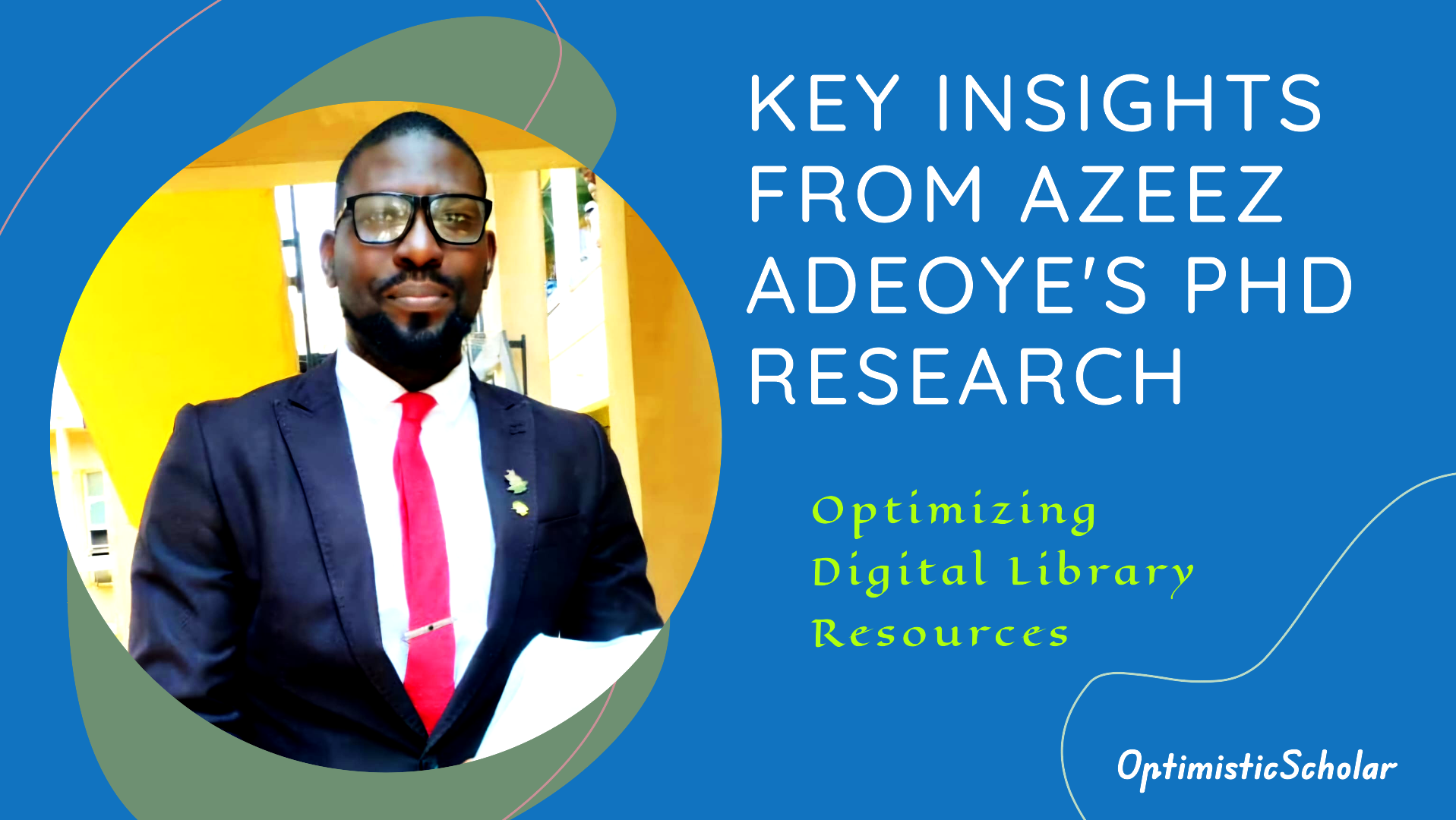
    On September 5, 2024, Azeez Adebamgbola Adeoye successfully defended his PhD thesis at the  Department of Library, Archival and Information Studies, University of Ibadan,  Nigeria, focusing on the use of Digital Library Resources (DLR) by doctoral students in public universities across Southwestern Nigeria. His research explore the critical role DLR plays in doctoral research, identifying key challenges and offering practical insights for improving resource engagement.

    Research Findings:

    Adeoye’s study revealed that doctoral students primarily use e-journals and e-books, but underutilize essential tools like library websites, Online Public Access Catalogs (OPAC), and institutional repositories. The study uncovered three significant factors affecting DLR usage: *Information-Seeking Anxiety (IsA), Digital Literacy Skills (DLS), and User Perception (UP)*

    Despite their frequent use of digital resources for writing journal articles, conference preparation, and personal development, students face challenges like **slow internet speeds**, **information overload**, and **compatibility issues with mobile devices**. The rapid obsolescence of library software also hindered students from maximizing the full potential of digital library resources.

    Nevertheless, Adeoye found that doctoral students demonstrate **high levels of digital literacy** and maintain **positive perceptions** of digital resources. However, moderate **information-seeking anxiety** still limits some students’ ability to navigate and effectively use these resources.

    Implications for Stakeholders:

    1. University Administrators:

    Universities should enhance internet infrastructure, increase awareness of the full range of DLR tools, and integrate digital literacy programs into their curricula. Upgrading bandwidth and making DLR access more seamless are crucial for improving doctoral students’ research experiences.

     2. Libraries: Libraries must improve user experiences by streamlining search processes, updating software regularly, and offering specialized training on how to navigate digital resources. Collaborating with academic departments to integrate DLR tools into daily research activities can further support student engagement.

    3. Policymakers:  Policymakers should prioritize funding for digital library infrastructure and ensure the standardization of DLR platforms across universities. Consistent policies on digital resource access and maintenance are essential for optimizing academic resource availability.

    4. Doctoral Students:  Students need to actively engage with all available DLR tools, expand beyond e-journals and e-books, and work to reduce information-seeking anxiety through training and practice. Continuous development of digital literacy will further enhance their academic and research outcomes.

    5. Future Research: Researchers should continue to explore trends in DLR use, particularly how emerging technologies can improve access and user experiences. Investigating how DLR impacts academic success across different fields of study or student demographics will provide more targeted solutions for boosting engagement.


    Adeoye’s research highlights the critical role that Digital Library Resources play in academic success for doctoral students in public universities in Southwestern Nigeria. By addressing factors such as information-seeking anxiety, improving digital literacy, and enhancing user perceptions, institutions can significantly improve research outcomes and foster a more productive academic environment.

    The findings offer a roadmap for universities, libraries, policymakers, and students to optimize digital resource usage, ultimately benefiting the broader academic community.

    OptimistScholar congratulates Dr. Azeez Adebamgbola Adeoye on this remarkable achievement and wishes him continued success on his academic journey.


    Take your research to the global stage! Gain international recognition and share your work with a wider audience. For dissemination and feature opportunities, reach out to us at WhatsApp

  • University of Ibadan Don Advocates for Harnessing Cultural Heritage for Sustainable Development

    University of Ibadan Don Advocates for Harnessing Cultural Heritage for Sustainable Development

    University of Ibadan Don Advocates for Learning from the Past to Shape Future Development

    In a compelling lecture delivered during the 558th Inaugural Lecture at the University of Ibadan, Professor Jonathan Oluyori Aleru, a distinguished scholar of Historical Archaeology, emphasized the crucial need to draw vital lessons from history to chart new pathways for development across all sectors. Professor Aleru’s lecture, titled “Sunset on Yoruba Northern Frontier?“, was presented on behalf of the Faculty of Science.

    Highlighting the untapped potential of cultural resources, Professor Aleru asserted that, if effectively harnessed and developed into tourism capital, these resources could generate a more sustainable and substantial revenue stream than the exploitation of crude oil and solid minerals. He pointed to successful examples from Eastern and Southern Africa, where cultural heritage centers have become significant revenue sources, surpassing income from petroleum and gas industries. Unlike finite natural resources, cultural assets, he noted, are inherently sustainable.

    Professor Aleru expressed concern over the widespread neglect and exploitation of cultural heritage in Nigeria and West Africa, where valuable cultural artifacts are often sold cheaply, leaving communities impoverished both materially and spiritually. He questioned why the destruction and looting of cultural and natural heritage do not receive the same attention as the theft of crude oil, urging authorities to refocus their efforts on preserving these irreplaceable resources.

    Focusing on the Yoruba Northern Frontier—comprising Oyo, Kwara, and Kogi States—Professor Aleru warned of the ongoing and systematic destruction of the region’s rich cultural landscapes. He cited daily human activities, such as farming, infrastructure development, and the exploration of natural resources, as major contributors to the degradation of cultural heritage. Furthermore, he highlighted the growing threat posed by antiquities traffickers, comparing their operations to those of drug traffickers in their sophistication and impact.



    In a call to action, Professor Aleru urged the University of Ibadan’s administration to ensure the survival and advancement of its Department of Archaeology. He stressed that archaeology plays a vital role in addressing the ethnic, political, and religious challenges that arise from Nigeria’s diverse cultural landscape. The discipline, he argued, is essential for fostering a deeper understanding of human differences and preserving the truths of the past.

    The lecture marked the eighth installment in the 2023/2024 inaugural lecture series at the University of Ibadan, underscoring the institution’s commitment to fostering academic discourse on critical national issues.

     TwKeyays for Stakeaakeholders: Emphasizing Cultural Heritage as a Pathway to Sustainable Development
    1. Cultural Heritage as Economic Resource: Cultural resources, when properly harnessed, can provide a more sustainable and profitable revenue stream than traditional natural resources like crude oil and solid minerals.
    2. Successful Global Examples:  Countries in Eastern and Southern Africa have effectively transformed their cultural heritage into significant economic benefits, suggesting a model for Nigeria and West African countries to follow.
    3. Urgent Need for Preservation:  There is a critical need to focus on preserving cultural heritage in Nigeria, as current practices of selling and looting cultural artifacts are unsustainable and impoverishing.\
    4. Infrastructure Investment: Stakeholders should invest in the development of resource centers and infrastructure to protect and showcase cultural heritage, turning it into an economic asset.
    5. Role in National Unity:  Cultural heritage and archaeology play a vital role in addressing ethnic, political, and religious complexities, contributing to national unity and cohesion.
    6. Call for Institutional Support:  The University of Ibadan, and particularly its Department of Archaeology, should receive support to continue its work in preserving cultural heritage and contributing to national development.OptimisticScholar Congratulates Professor Jonathan Oluyori Aleru on His Landmark Achievement
      Congratulations, Professor Aleru, on your remarkable achievement with the landmark presentation of your Inaugural Lecture at the University of Ibadan! Your dedication and expertise in archaeology and anthropology have truly shone through, marking this as a significant milestone in your academic career. This accomplishment reflects your hard work and serves as a source of inspiration to many of us. Well done, Sir!
      _________
      Reference/Credit: Content and images provided by the UI Directorate of Public Communications and obtained from the University of Ibadan’s Facebook page.
  • Innovative Strategies Unveiled at Workshop to Transform School Libraries

    Innovative Strategies Unveiled at Workshop to Transform School Libraries

    Transforming School Libraries with Innovative Services

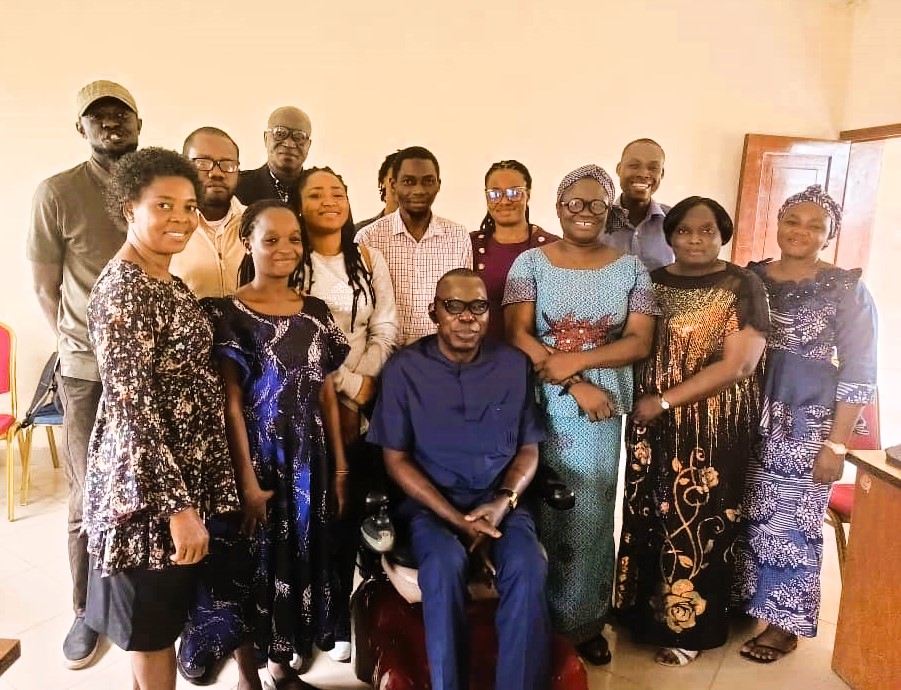
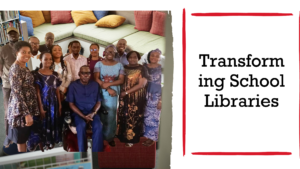
    A two-day workshop aimed at revolutionizing school libraries through innovative services was held on August 6th and 7th, 2024, at the Department of School Library and Media Technology, University of Ibadan, Nigeria  The event, titled “Transforming School Libraries through Innovative Library Services,” brought together school librarians, educators, and other key stakeholders to discuss and explore new strategies for enhancing the role of school libraries in the modern educational landscape.

    The workshop attracted a diverse group of participants, including school librarians from various institutions, university lecturers specializing in library sciences, and representatives from educational organizations. The sessions provided a platform for discussing the fundamental changes needed to transform school libraries into more dynamic, student-centered learning environments.

    A major focus of the workshop was on the integration of digital tools and resources into library services. Participants were introduced to a variety of technologies designed to improve students’ learning experiences. Additionally, the workshop highlighted the importance of creative programs—such as reading clubs, author visits, and interactive storytelling sessions—that can be implemented to foster a love for reading and learning among students.

    Collaboration was another key theme of the event. Attendees were encouraged to form partnerships with teachers, local organizations, authors, and technology providers to enhance the services offered by school libraries. By working together, these stakeholders can create more enriched learning environments that better serve the needs of students.

    The workshop concluded with a strong commitment from all participants to implement the innovative strategies discussed. Feedback from attendees was overwhelmingly positive, with many expressing eagerness to apply their newly acquired knowledge in their respective schools.

    The organizers of the event also put forward several key recommendations for the future of school libraries:

    1. Continuous Professional Development: Ensuring librarians stay up-to-date with the latest trends and technologies.
    2. Increased Investment: Allocating more resources to digital tools and library infrastructure.
    3. Strengthening Collaborations: Building stronger partnerships to enhance library services.
    4. Regular Workshops:  Hosting more training sessions to share best practices and encourage innovation.

    The workshop is seen as a significant step toward transforming school libraries into vital, innovative hubs of learning. Organizers thanked all participants and speakers for their contributions, noting the event’s success in paving the way for future advancements in the field.

  • University of Hamburg Merit Scholarship 2024: A Comprehensive Guide

    University of Hamburg Merit Scholarship 2024: A Comprehensive Guide

    The prestigious University of Hamburg Merit Scholarship is a beacon of opportunity for international students aspiring to pursue their academic dreams in Germany. This annual scholarship supports exceptional individuals at all degree levels and across all subjects, recognizing their academic excellence, social commitment, and international engagement.

    A diverse group of international students studying together at a prestigious university, formal, prestigious

    Scholarship Overview

    • Host Country: Germany
    • Study Abroad: Study in Europe
    • Category: Undergraduate Scholarships | Postgraduate Scholarships | Masters Scholarships | PhD Scholarships   osunthepositivevoice.ng
    • Eligible Countries: All Countries
    • Reward: Full Scholarship | €14,400 Stipends/Yr  
    • No IELTS Required
    • Deadline: October 15, 2024

    Benefits of the Scholarship

    The University of Hamburg Merit Scholarship is not just financial aid; it’s an investment in your future. Recipients receive:

    • Generous Funding: Up to €930 per month (€1,200 for doctoral researchers)
    • Duration: 2 semesters (12 months) with the possibility of renewal
    • Focus on Studies: The scholarship allows students to dedicate themselves fully to their academic pursuits and personal development

    Eligibility Criteria

    To qualify for the University of Hamburg Merit Scholarship, applicants must meet the following conditions:

    • Enrollment: Be enrolled at Universität Hamburg for at least 2 semesters (1 semester for 2-year master’s programs and doctoral researchers)
    • Citizenship: Not hold German citizenship
    • Financial Aid: Not be eligible for the federal student loan scheme

    How to Apply

    The application process is straightforward:

    1. Visit the Scholarship Page: Access the official scholarship application webpage.
    2. Download and Complete: Obtain the application form and fill it out meticulously.
    3. Attach Documents: Submit all required supporting documents.
    4. Submit Before Deadline: Ensure your complete application is submitted by October 15, 2024.
    5. Await Notification: The selection committee will notify applicants via email within 8-11 weeks after the deadline.
    6. Track Progress: Check the online portal for updates on your application status.

    Seize the Opportunity

    The University of Hamburg Merit Scholarship is a gateway to world-class education in a vibrant and culturally rich environment. If you’re an ambitious international student seeking to make your mark in academia, don’t miss this chance to apply.

  • Fully Funded Oxford MBA for African Students | 2025 Orjiako Scholarship

    Fully Funded Oxford MBA for African Students | 2025 Orjiako Scholarship

    The University of Oxford is proud to announce the 2025 Oxford-Orjiako Scholarship, a fully-funded MBA opportunity for talented African students. This groundbreaking scholarship, the first of its kind at Oxford, covers full course fees and provides a generous living stipend of at least £19,237.

    African students celebrating scholarship opportunity, proud, informative

    Scholarship Highlights

    • Host Country: United Kingdom
    • Study Level: Postgraduate (MBA)
    • Eligibility: African nationals residing in an African country
    • Benefits: Full tuition coverage and a living stipend
    • No IELTS Required
    • Application Deadline: January 6, 2025

    About the Oxford-Orjiako Scholarship

    Funded by Dr. Bryant Orjiako, this scholarship aligns with Oxford’s mission to empower African change-makers. It aims to make world-class education accessible to exceptional individuals, regardless of their background, and to nurture future leaders across the continent.

    Eligibility Requirements

    To qualify for the Oxford-Orjiako Graduate Scholarship, applicants must:

    • Be an African national and ordinarily resident in an African country.
    • Have applied for or be currently enrolled in the Oxford MBA program.

    Scholarship Benefits

    The scholarship covers the full cost of tuition and offers a living allowance of at least £19,237 to support recipients throughout their studies.

    Selection Criteria

    The scholarship is awarded based on academic merit, demonstrated through:

    • Degree results
    • GMAT or GRE scores
    • Previous university awards and achievements
    • Evidence of past and ongoing contributions to Africa’s development
    • A clear intention to continue contributing to Africa’s progress after graduation

    How to Apply

    There’s no separate application for the Oxford-Orjiako Scholarship. Interested candidates simply need to:

    1. Apply for the Oxford MBA program.
    2. Ensure their complete MBA application is submitted by the January 6, 2025 deadline.

    The selection committee will review all eligible MBA applicants and award the scholarship based on the criteria mentioned above.

    Don’t Miss This Opportunity

    The Oxford-Orjiako Scholarship is a life-changing opportunity for aspiring African leaders. If you’re ready to take your career to the next level and make a lasting impact on your continent, apply for the Oxford MBA program today!

  • Yenching Academy Scholarship 2025| Fully Funded

    The prestigious Yenching Academy Scholarship at Peking University is now accepting applications for the 2025 academic year. This fully-funded scholarship offers exceptional graduates from around the world the chance to pursue a master’s degree in China, immersing themselves in a vibrant academic and cultural environment.

    Key Details:

    • Host Country: China
    • Study Abroad Destination: Asia
    • Scholarship Level: Postgraduate, Master’s
    • Eligible Countries: All nationalities
    • Benefits:
      • Full tuition coverage
      • Accommodation
      • Monthly stipend
      • Travel allowance
      • Medical insurance
    • Application Deadline: December 1, 2024

    Scholarship Highlights:

    The Yenching Academy Scholarship is renowned for its inclusivity, with international students making up 80% of the student body. The program provides six distinct research areas, including Economics and Management, History and Archaeology, Philosophy and Religion, Politics and International Relations, Law and Society, and Literature and Culture. Fellows benefit from dedicated thesis advisors, ensuring academic excellence in their China-focused studies.  

    Eligibility Criteria:

    • A minimum of a bachelor’s degree in any field or current enrollment in a bachelor’s degree program with expected graduation by August 31, 2025.
    • An outstanding academic record
    • Strong interest in interdisciplinary study of China
    • Demonstrated extracurricular achievements, community engagement, social responsibility, and leadership potential
    • English language proficiency

    Application Process:

    1. Create an account on the Yenching Academy admissions portal.
    2. Complete the online application form.
    3. Submit the required documents, including:
      • Personal statement
      • Research proposal
      • Curriculum vitae (CV)
      • Official transcripts
      • Diploma or Certificate of Enrollment
      • Two letters of recommendation
      • English Proficiency Test Certificate (sent directly to the Yenching Academy by the testing organization)

    Note: Ensure all documents are in English and that you provide accurate personal information.

    The Yenching Academy Scholarship is a unique opportunity to engage in an enriching academic journey at one of China’s leading universities. Don’t miss this chance to apply and experience the transformative power of studying in China.

    Remember, the deadline for applications is December 1, 2024. Start preparing your application today!

  • Fully Funded Oxford MBA for African Students | 2025 Orjiako Scholarship

    Fully Funded Oxford MBA for African Students | 2025 Orjiako Scholarship

    The University of Oxford is proud to announce the 2025 Oxford-Orjiako Scholarship, a fully-funded MBA opportunity for talented African students. This groundbreaking scholarship, the first of its kind at Oxford, covers full course fees and provides a generous living stipend of at least £19,237.

    A diverse group of professionals from Africa participating in the prestigious Oxford-Orjiako Scholarship program., formal, professional

    Scholarship Highlights

    • Host Country: United Kingdom
    • Study Level: Postgraduate (MBA)
    • Eligibility: African nationals residing in an African country
    • Benefits: Full tuition coverage and a living stipend
    • No IELTS Required
    • Application Deadline: January 6, 2025

    About the Oxford-Orjiako Scholarship

    Funded by Dr. Bryant Orjiako, this scholarship aligns with Oxford’s mission to empower African change-makers. It aims to make world-class education accessible to exceptional individuals, regardless of their background, and to nurture future leaders across the continent.

    Eligibility Requirements

    To qualify for the Oxford-Orjiako Graduate Scholarship, applicants must:

    • Be an African national and ordinarily resident in an African country.
    • Have applied for or be currently enrolled in the Oxford MBA program.

    Scholarship Benefits

    The scholarship covers the full cost of tuition and offers a living allowance of at least £19,237 to support recipients throughout their studies.

    Selection Criteria

    The scholarship is awarded based on academic merit, demonstrated through:

    • Degree results
    • GMAT or GRE scores
    • Previous university awards and achievements
    • Evidence of past and ongoing contributions to Africa’s development
    • A clear intention to continue contributing to Africa’s progress after graduation

    How to Apply

    There’s no separate application for the Oxford-Orjiako Scholarship. Interested candidates simply need to:

    1. Apply for the Oxford MBA program.
    2. Ensure their complete MBA application is submitted by the January 6, 2025 deadline.

    The selection committee will review all eligible MBA applicants and award the scholarship based on the criteria mentioned above.

    Don’t Miss This Opportunity

    The Oxford-Orjiako Scholarship is a life-changing opportunity for aspiring African leaders. If you’re ready to take your career to the next level and make a lasting impact on your continent, apply for the Oxford MBA program today!