Category: Health Commnication

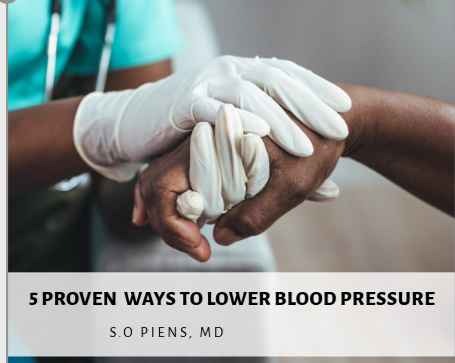
  • 5 Proven Ways to Lower Your Blood Pressure

    5 Proven Ways to Lower Your Blood Pressure

    High blood pressure (hypertension) is a common health concern that can increase your risk of heart disease and stroke. The good news is that there are effective lifestyle changes you can make to naturally lower your blood pressure and improve your overall well-being. Here are 5 proven methods:

    1. Follow a Heart-Healthy Diet:

    • The DASH Diet: The Dietary Approaches to Stop Hypertension (DASH) diet emphasizes fruits, vegetables, whole grains, lean proteins, and low-fat dairy products. It’s low in saturated and unhealthy fats, sodium, and added sugars.
    • Reduce Sodium: Aim to limit your sodium intake to no more than 2,300 milligrams (mg) per day, ideally 1,500 mg if possible. Avoid processed foods, canned soups, and restaurant meals, which are often high in sodium.
    • Increase Potassium: Potassium helps balance the effects of sodium on blood pressure. Load up on potassium-rich foods like bananas, spinach, sweet potatoes, and beans.

    2. Get Regular Exercise:

    • Aerobic Activity: Aim for at least 150 minutes of moderate-intensity aerobic exercise (e.g., brisk walking, swimming) or 75 minutes of vigorous-intensity exercise (e.g., running, cycling) each week.
    • Strength Training: Incorporate muscle-strengthening activities that work all major muscle groups (legs, hips, back, abdomen, chest, shoulders, and arms) into your routine on two or more days per week.

    3. Maintain a Healthy Weight:

    • Weight Loss: If you’re overweight or obese, even a small weight loss of 5-10% can significantly reduce your blood pressure.
    • Waist Circumference: Keep an eye on your waistline, as excess belly fat is linked to higher blood pressure.

    4. Manage Stress:

    • Relaxation Techniques: Practice deep breathing exercises, meditation, yoga, tai chi, or progressive muscle relaxation to help reduce stress.
    • Lifestyle Changes: Ensure you get enough sleep, prioritize activities you enjoy, and consider talking to a therapist if stress is overwhelming.

    5. Consider Supplements (Consult Your Doctor):

    • Garlic: Some studies suggest garlic may help lower blood pressure modestly.
    • Coenzyme Q10: This antioxidant may have a mild blood pressure-lowering effect.
    • Fish Oil: Omega-3 fatty acids found in fish oil can benefit heart health.

    Important Note: Always consult with your doctor before starting any new supplement regimen.

    Conclusion

    By making these lifestyle changes and following a heart-healthy approach, you can take significant steps toward naturally lowering your blood pressure and improving your cardiovascular health. Remember, consistency is key, and a lifelong commitment to a healthy lifestyle will yield the best results.

    I hope you will live well and enjoy a happy life. Hearty cheers!

    S.O PIENS, MD sopiensofgod@gmail.com

  • Embracing Fasting: A Path to Enjoyable Weight Loss

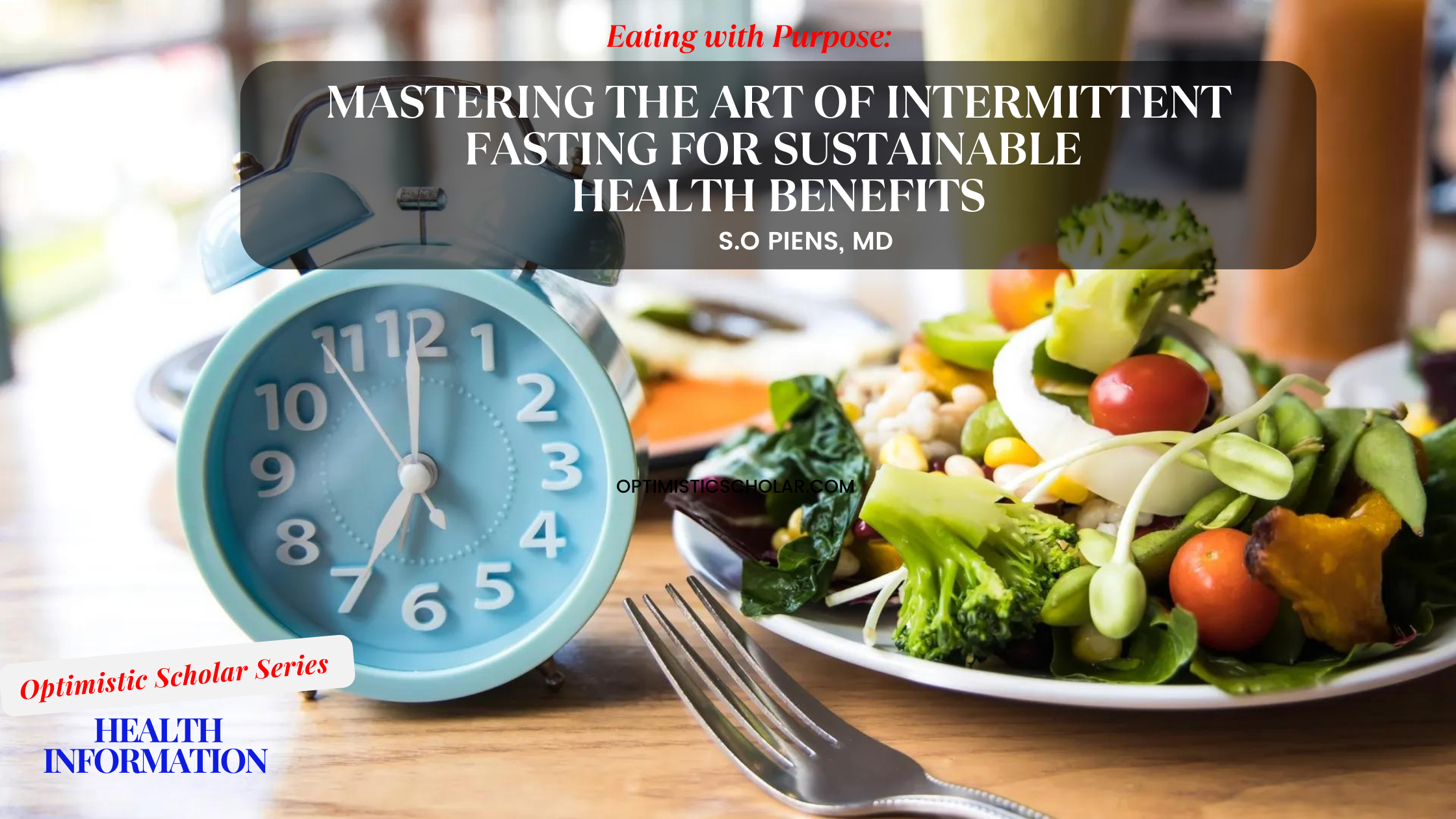
    Embracing Fasting: A Path to Enjoyable Weight Loss

    Embracing Fasting: A Path to Enjoyable Weight Loss

    In a recent conversation with a friend, she shared her journey of incorporating fasting into her diet for weight loss. Despite the initial challenges, she’s committed to the practice as a necessary sacrifice. This resonated with me because I know many find fasting daunting. However, with the right approach, fasting can be a fulfilling part of your weight loss journey.

    Fasting is undeniably crucial for weight loss. No amount of exercise can compensate for an excess of calories. To truly enjoy fasting, start by preparing your mind. Convince yourself that fasting is not a burden but a choice that brings numerous benefits such as improved concentration, increased energy levels, and enhanced body repair.

    Engage in productive activities during fasting periods to keep yourself occupied. Adjust your eating schedule by creating an eating window—such as noon to 9 p.m.—to ensure you’re fasting for a suitable duration. Begin with shorter fasting periods and gradually extend them as you grow accustomed to the practice.

    Hydration is key during fasting; drink plenty of water to stay hydrated and reduce hunger. When you eat, focus on nutrient-dense foods to nourish your body effectively. Above all, be gentle with yourself. Understand that there will be days when fasting feels challenging, and that’s okay. Progress matters more than perfection.

    By embracing these tips, you can make fasting a positive and enjoyable part of your weight loss journey. Remember, consistency and self-kindness are crucial.  You can also download an intermittent fasting app to help you monitor your fasting schedule.

    – S.O PIENS, MD
    sopiensofgod@gmail.com

  • 7 Heart-Healthy Foods to Prevent Heart Disease

    7 Heart-Healthy Foods to Prevent Heart Disease

    Seven  Foods that Prevent Heart Disease

    Ensuring a healthy heart is paramount for our overall well-being. The reason is simple: our heart is one of the vital organs in our body, and any attack on it will alter our general health. Heart disease tops the list of diseases causing death worldwide. Therefore, taking care of our heart is of utmost importance. One of the most effective ways to do this is to maintain a balanced and nutritious diet. Here are seven foods, among others, that are good for your heart and cardiovascular system.

    1. Oily Fish

    This is a good one to start with. Oily fish is rich in omega-3 fatty acids. Examples include salmon, mackerel, and sardines. They are celebrated for their cardiovascular benefits. Omega-3s help reduce inflammation and lower triglyceride levels, ultimately reducing the risk of heart disease.

    1. Berries

    Next is berries. Bursting with antioxidants, vitamins, and fiber, berries are a delicious addition to any heart-healthy diet. Blueberries, strawberries, raspberries, and blackberries are packed with compounds like anthocyanins and flavonoids, which help lower blood pressure, reduce oxidative stress, and improve your overall heart function. Whether enjoyed fresh, frozen, or blended into smoothies, berries offer a flavorful and nutritious way to support your heart health.

    1. Leafy Greens

    Dark, leafy greens such as spinach, kale, and Swiss chard are nutritional powerhouses brimming with vitamins, minerals, and antioxidants. These greens are particularly rich in vitamin K, which plays a vital role in maintaining healthy blood clotting and preventing calcium buildup in the arteries. Incorporating these leafy greens into your salads, soups, stir-fries, or smoothies is an excellent way to promote your heart health.

    1. Whole Grains

    Unlike refined grains, which have been stripped of their nutrient-rich bran and germ layers, whole grains like oats, quinoa, brown rice, and whole wheat retain their fiber, vitamins, and minerals. The fiber content of whole grains helps lower cholesterol levels, regulate blood sugar, and promote satiety, all of which contribute to a healthy heart.Start your day with a bowl of oatmeal, swap refined grains for whole grain alternatives, and enjoy the heart-healthy benefits of these nutrient-dense foods.

    1. Nuts and Seeds

    Almonds, walnuts, flaxseeds, chia seeds, and hemp seeds are excellent sources of heart-healthy fats, protein, fiber, vitamins, and minerals. Regular consumption of nuts and seeds has been associated with a reduced risk of heart disease, thanks to their ability to lower cholesterol, decrease inflammation, and improve blood vessel function. Enjoy a handful of nuts or seeds as a snack. Sprinkle them over your salads or yogurt. And incorporate them into your baked goods for a healthy heart boost.

    1. Avocados

    Creamy and delicious, avocados are not only a versatile culinary ingredient but also a heart healthy superfood. Packed with monounsaturated fats, avocados help lower LDL (bad) cholesterol levels while increasing HDL (good) cholesterol levels, thereby supporting heart health. Additionally, avocados are a good source of potassium, which helps regulate blood pressure. Whether sliced on toast, mashed into guacamole, or blended into smoothies, avocados are a

    heart-healthy addition to any diet.

    1. Legumes

    The last but not the least are the legumes. Beans, lentils, chickpeas, and peas are all members of

    the legume family, known for their heart-healthy properties. These plant-based proteins are rich in fiber, antioxidants, vitamins, and minerals, making them an excellent choice for heart health. Consuming legumes regularly has been associated with lower blood pressure, reduced cholesterol levels, and improved blood sugar control, all of which contribute to a healthy heart. You can add these legumes to your soups, salads, stews, and chili or enjoy them as a protein-rich  side dish to reap the cardiovascular benefits of these nutritious foods.

    I believe incorporating these seven heart-healthy foods into your diet can help support your cardiovascular health and reduce the risk of heart disease.

    I wish you a happy and healthy heart. Cheers!

    For further reading: https://a.co/d/1bTbCRi  || https://a.co/d/4GdtsJA

    – S.O PIENS, MD
    sopiensofgod@gmail.com

  • AI in Healthcare Webinar Series: Transforming Healthcare

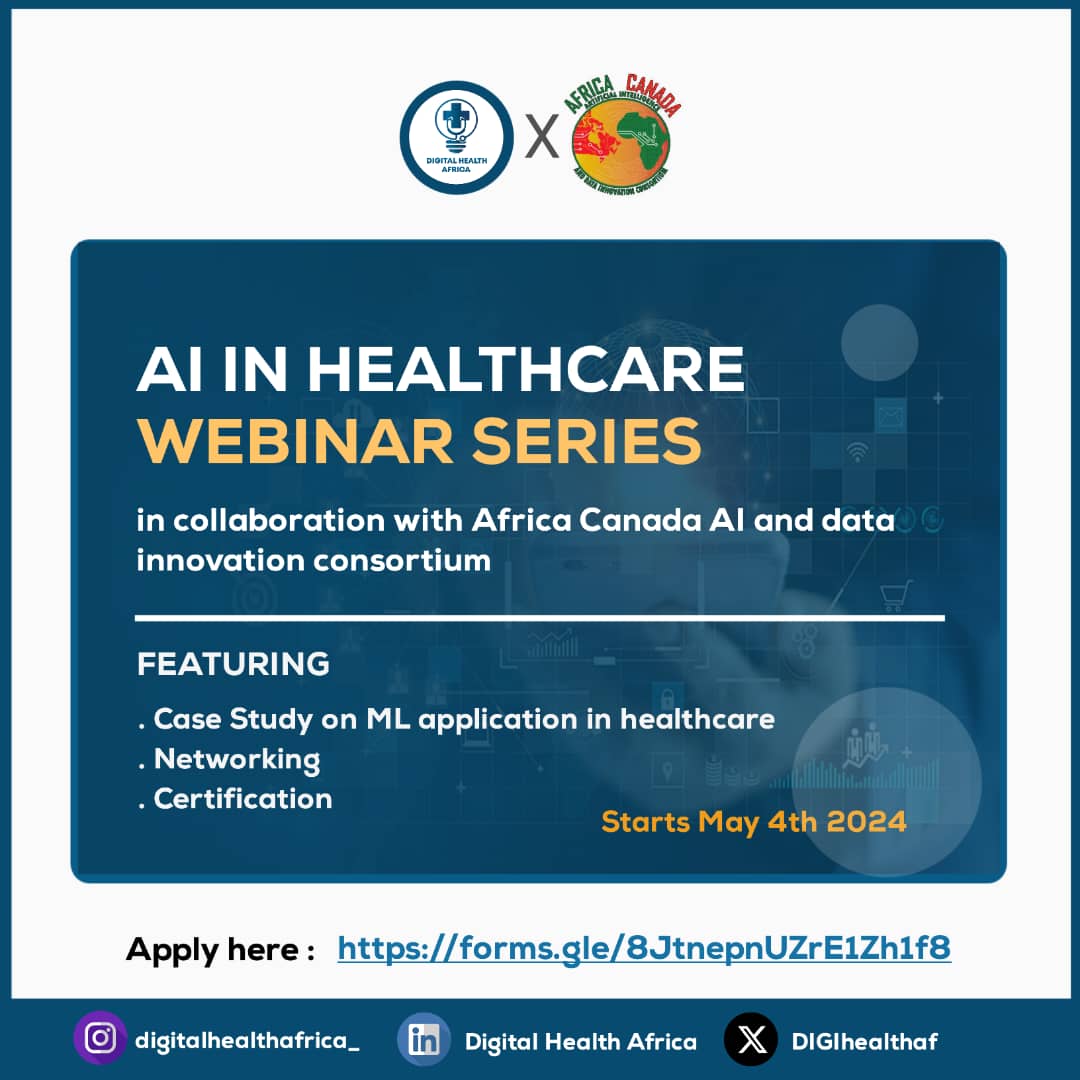
    AI in Healthcare Webinar Series: Transforming Healthcare

    The AI in Healthcare Webinar Series

    In collaboration with the Africa-Canada Artificial Intelligence and Data Innovation Consortium (ACADIC), the **AI in Healthcare Webinar Series** addresses the unique challenges in the African healthcare sector. This series aims to build a skilled workforce adept at using AI to improve healthcare outcomes across Africa.

     Webinar Themes 

    1. Overview of Artificial Intelligence
      Gain a foundational understanding of AI and its potential in healthcare.
    2. Basics of Machine Learning:
      Learn core principles and techniques of machine learning
    3. Introduction to Healthcare Data|
      Explore types of healthcare data, collection methods, and data quality.
    4. Introduction to Healthcare Predictive Modeling
      Understand predictive modeling and how AI can forecast healthcare trends.
    5. Case Studies of AI Applications in Healthcare
      Discover real-world examples of AI solving healthcare problems

      Date: 24th May 2024*Time: 4pm WAT*Venue: Zoom / YouTube

      Be part of this transformative movement. Whether a healthcare professional, data scientist, or AI enthusiast, these sessions offer invaluable insights and practical knowledge Register here:

  • Editorial: Optimistic Scholar Health Information Series

    Editorial: Optimistic Scholar Health Information Series

    Editorial Introduction to the Optimistic Scholar Health Information Series

    Welcome to the Optimistic Scholar Health Information Series, where our mission is to bring you expert opinions, invaluable advice, and comprehensive information on all aspects of health and well-being.

    In this series, we aim to bridge the gap between cutting-edge medical research and practical wellness strategies, offering a holistic approach to achieving optimal health. Our content is meticulously curated to provide you with insights from leading health professionals, researchers, and wellness experts, ensuring that you have access to the latest and most reliable information in the field.

    Whether you’re seeking advice on managing chronic conditions, or looking for the best nutritional tips, or exploring new fitness trends, the Optimistic Scholar Health Information Series is your go-to resource. We cover a wide range of topics to cater to diverse health needs, from mental health and emotional well-being to physical fitness and preventive care.

    Our goal is to empower you to make informed decisions about your health, equipping you with the knowledge and tools needed to lead a healthier, more balanced life. We designed each article, interview, and feature in our series to provide practical advice that you can implement in your daily routine, helping you to navigate the complexities of modern healthcare with confidence.

    Join us on this journey to better health as we explore the latest developments in medical science, explore innovative wellness practices, and share stories of inspiration and resilience from individuals who have transformed their lives through healthy living.

    Dr. John Alonge
    Editor in Chief, Optimistic Scholars
    A division of the Optimistic Concept Services