Category: Scholar Digest

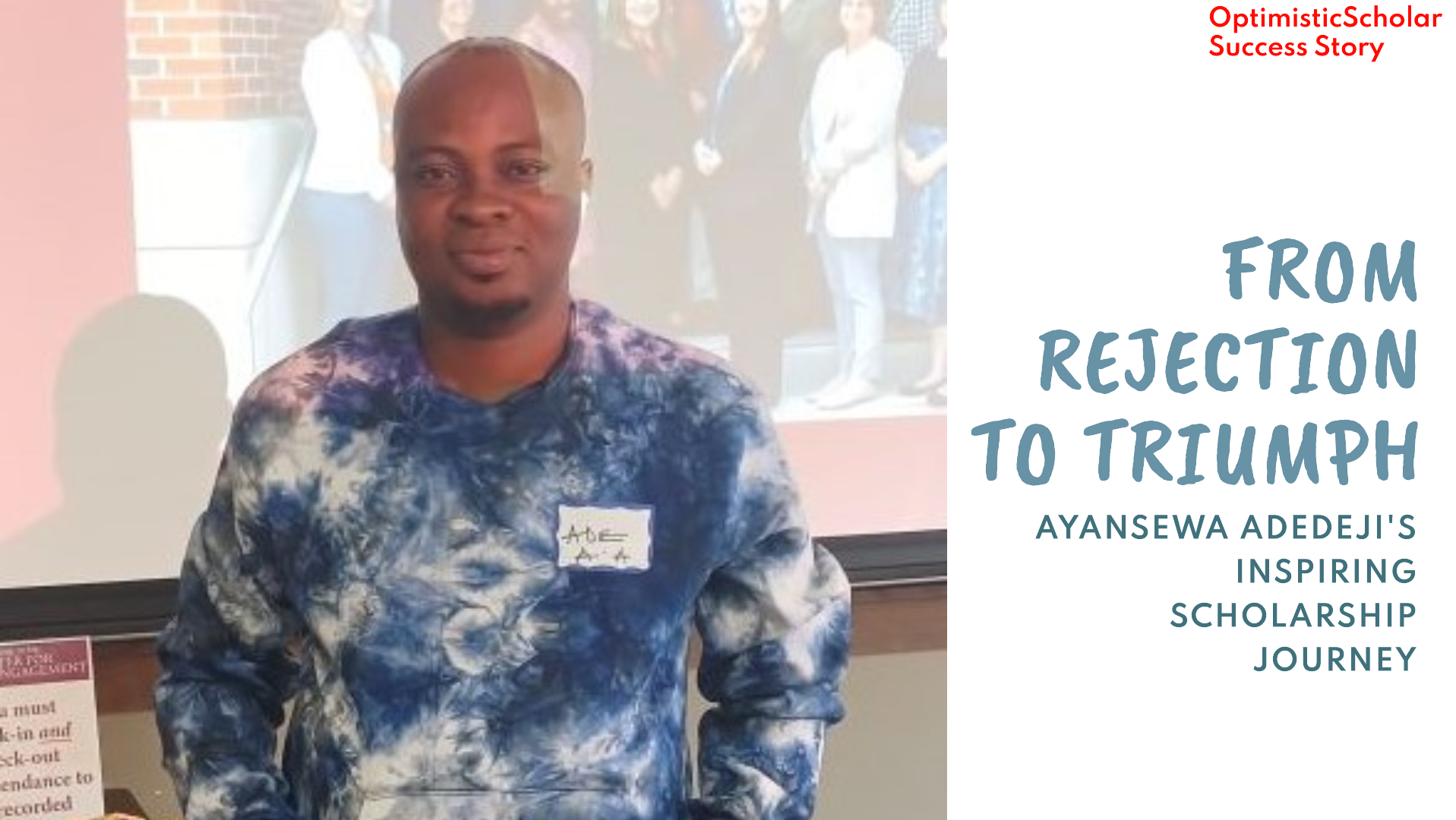
  • From Rejection to Triumph: Ayansewa Adedeji’s Scholarship Journey

    From Rejection to Triumph: Ayansewa Adedeji’s Scholarship Journey

    In his narrative, Ayansewa Adedeji , Doctoral Student, Florida State University, USA, shares a glimpse of his arduous but triumphant scholarship journey, beginning in 2019. Despite countless rejections over four years, he persevered through faith, persistence, and self-improvement. Inspired by mentors like Dr. Kelechukwu Onwukamike and Dr. Victor Agboga, Ayansewa continuously enhanced his profile and refused to settle for partial funding. His relentless efforts culminated in receiving five fully funded scholarships in 2024, including the prestigious Commonwealth Scholarship, which he ultimately declined for a more fitting opportunity at Florida State University. Ayansewa’s story is a testament to the power of resilience, self-belief, and divine trust, serving as an encouragement for others to persist in their dreams despite setbacks.

    (more…)

  • Achieving Excellence in Geoinformation Science and Earth Observation

    Achieving Excellence in Geoinformation Science and Earth Observation

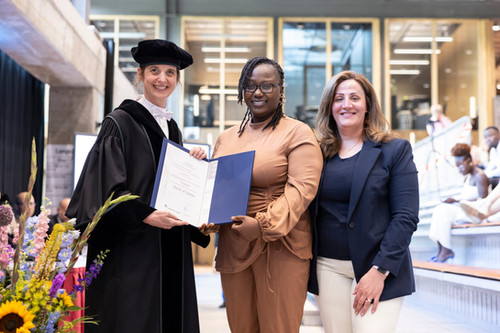
    Honoring Excellence: Oyetoun Alonge’s Inspirational Journey at the University of Twente

    The University of Twente in the Netherlands recently hosted a combined graduation ceremony for the Master’s and Postgraduate Diploma programs in Spatial Engineering, Geo-Information Science, and Earth Observation on Wednesday, July 17, 2024. This event celebrated the commitment, tenacity, and research prowess of graduates from around the world.

    One of the standout graduates was Oyetoun Alonge, a mother of three from Nigeria. She was celebrated for her remarkable problem-solving spirit, resilience, and multitasking ability. Oyetoun received high praise from her instructors, peers, relatives, and friends. The support of her wonderful family—her husband and their children—made her achievement even more remarkable and attainable.

    Balancing her roles as a dedicated wife, mother, and successful entrepreneur, Oyetoun completed her program with excellence and in record time. Her supervisor highlighted her incredible accomplishments and inspirational journey by calling her “an example of a strong African woman, capable of multitasking.”

    Oyetoun Alonge’s narrative is a testament to the power of resilience and willpower, inspiring many. Her accomplishments at the University of Twente showcase the value of commitment and perseverance in reaching both academic and personal goals.

    Oyetoun Alonge’s Innovative Master’s Research

    With a focus on natural resources management, Oyetoun Alonge earned her MSc in Geoinformation Science and Earth Observation.  Her thesis,  “Assessing the Variation of Nitrogen and Carbon in Healthy and Lodged Wheat Crops Using Sentinel-2 and Field Spectroscopy Measurements, examines critical facets of nutrient management, crop health monitoring, and yield prediction. This study highlights the potential of cutting-edge remote sensing technology in agriculture, utilizing Sentinel-2 data from ESA’s Copernicus Open Access Hub, collected between April 30 and May 18, 2023, at Bonifiche Ferraresi Farm, Jolanda di Savoia, Ferrara, Italy.


    Important Results

    1.  Notable variations in the spectral characteristics of lodged and healthy wheat, with lodged wheat having higher reflectance.
    2. Narrowband NDVI provided more accurate predictions for foliar carbon and nitrogen content.
    3. Hyperspectral data proved superior in forecasting biochemical characteristics, especially for lodged wheat.
    4. Validation techniques are essential to the accuracy of the model.

    Gratitude and Recognitions

    Oyetoun extends her sincere gratitude to her supervisors, Dr. R. Darvishzadeh and Prof. A.D. Nelson, for their unwavering support and guidance. She also thanks her Thesis Assessment Board Chair, Dr.ir. T.A. Groen, External Examiner, Prof. Abel Ramoelo, and Procedural Advisor, Drs. R.G. Nijmeijer, for their insightful comments. Special thanks go to the NUFFIC OKP fellowship for their generous sponsorship and support, which made this academic achievement possible.

    Looking Ahead: Future Opportunities

    Oyetoun is eager to connect with professionals, researchers, and potential supervisors in remote sensing, agriculture, and environmental management. She is passionate about using her skills and knowledge to contribute to innovative solutions in these fields.

    Call for Collaboration

    Oyetoun welcomes opportunities for collaboration, PhD positions, or roles that align with her expertise. Her journey demonstrates the impactful work that can be achieved with dedication and support.

  • Data Science Summer School Reflections -FIMS -Western University  – Transforming Library & Information Science

    Data Science Summer School Reflections -FIMS -Western University – Transforming Library & Information Science

    Closing Speech at the Data Science for Information Professionals Summer School, Faculty of Information and Media Studies, Western University, Canada

    Delivered by Ayodele Alonge on July 12, 2024, on behalf of the Data Science Summer Class for LIS, 2024

    On July 2, as we assembled from various parts of Africa, little did we know that we were embarking on an experience that would transform our research and professional lives forever.

    Initially, many of us viewed Data Science—particularly the coding aspect—as a field distant from Library and Information Education, an area we approached with apprehension.

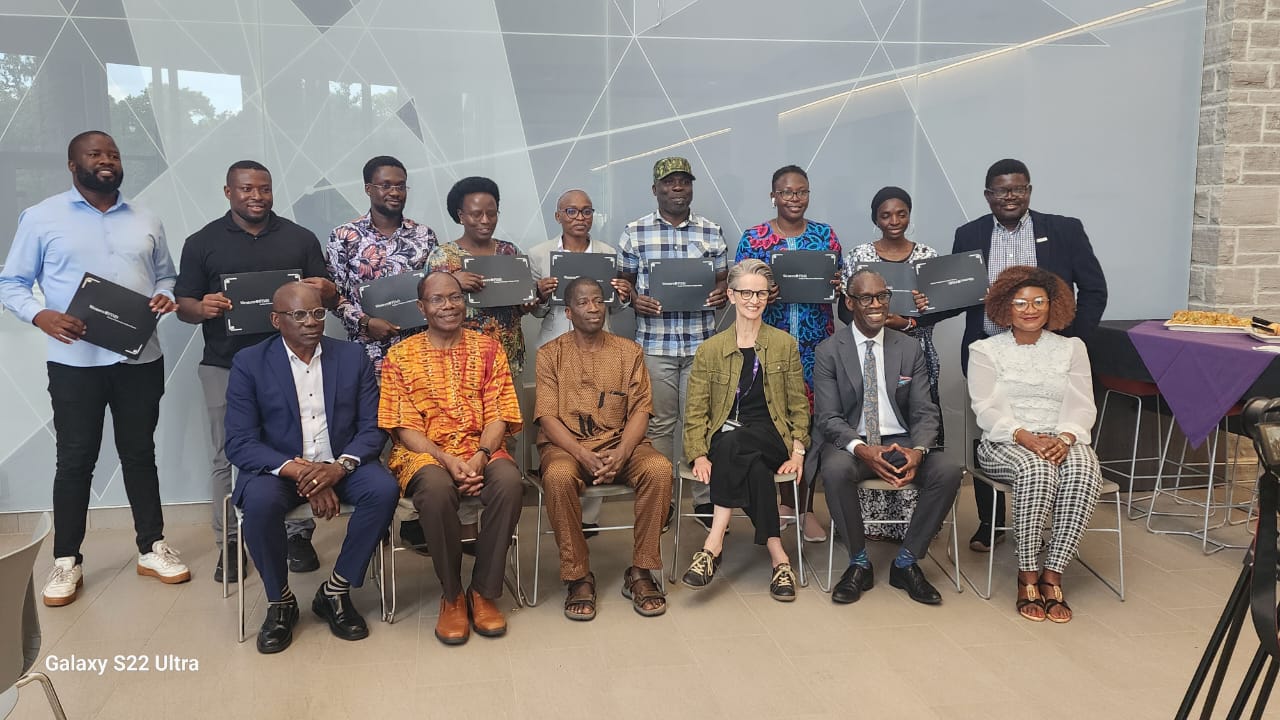
    Participants and facilitators at the Data Science Summer School, Western University, London, Ontario.

    Greetings once again to Dean Professor Lisa Henderson, and Professor Anabel Quan-Haase, Associate Dean of Graduate and Postdoctoral Studies at the Faculty of Information and Media Studies, Western University. With all due respect acknowledged, I stand here representing all of us who have immensely benefited from this intensive program.

    As many of us have mentioned, our motivation for attending this summer school was to learn, unlearn, and relearn, to understand Data Science within the context of LIS education and to practically understand how to use data to tell stories. I believe we all agree that our hopes and motivations for attending this summer school have been thoroughly fulfilled. We are no longer novices in data science. A seed has been planted, and it is now up to us to nurture this knowledge through practice and become the experts that the FIMS Summer School envisioned.

    Dr A.J. Alonge delivering  the closing remarks

    The structure of this summer school was truly effective. Week one served as an introduction, moving from the known to the unknown. We explore into topics such as Introduction to Statistics, including sampling methods and sample size determination, Hypothesis Testing, and Common Parametric and Non-parametric Inferential Statistical Methods.

    We were introduced to R and RStudio, and tackled Predictive Analytics through Multiple Linear Regression, Logistic Regression, and Time Series Analysis. We also explored Classification and Cluster Analysis.

    Today’s project presentations gave us the opportunity to apply some of the knowledge we acquired over these two weeks.

    We recognize that there are gaps in the area of Statistics and Data Science in many LIS curricula across Africa. This summer school has reinforced our resolve to revolutionize LIS curricula to include relevant statistics and data science. We intend to lead the vanguard of curriculum updates, integrating essential elements of data analytics and business analysis—reflecting the modern trends in the LIS profession.

    L-R:  Professor Alfred Akinsete, Professor Felix Famoye & Professor Isola Ajiferuke,

    We sincerely thank our facilitators, led by Professor Isola Ajiferuke, alongside his long-time friends and classmates from the prestigious University of Ibadan—Professor Felix Famoye and Professor Alfred Akinsete—for their innovative teaching and practical sessions. These three scholars, who graduated from the University of Ibadan in 1980, have grown together professionally over the decades. From them, we’ve learned the significant benefits and advantages of maintaining strong friendships for mutual professional and personal growth.

    I must not forget to appreciate Dr. Jumoke Ajanaku, who provided exceptional support during the practical sessions. We are also grateful to the ICT and Media team for their invaluable assistance.  Ebenezer Martin-Yeboah, PhD Candidate, Health Information Science. at Western, was fantastic; he showed great dedication by ensuring our evening fun and transportation, and we especially enjoyed the jazz music in his spacious bus.

    Abundant delicious dinner at Mandarin Chinese Restaurant in Hyde Park, London.

     All work without play makes Phila a dull Mama
    In addition to our intensive engagement in data science, we were well catered for – I will say we were well fed and “fed-up”; we had fun and explored fun… —the visits to Niagara Falls and Grand Bend Beach were fantastic, creating lasting memories.
    Delivered  at the Closing ceremony on July 12, 2024, on behalf of the Data Science Summer Class for LIS, 2024

    Thank you for listening
    _______________

    Stories and articles on Data Science for Information Professionals Summer School, Faculty of Information and Media Studies, Western University, Canada___

    ___________________________

  • An Intellectual Exploration of Impostor Syndrome at the Digital Society School

    An Intellectual Exploration of Impostor Syndrome at the Digital Society School

    Unveiling Shadows: An Intellectual Exploration of Impostor Syndrome at the Digital Society School

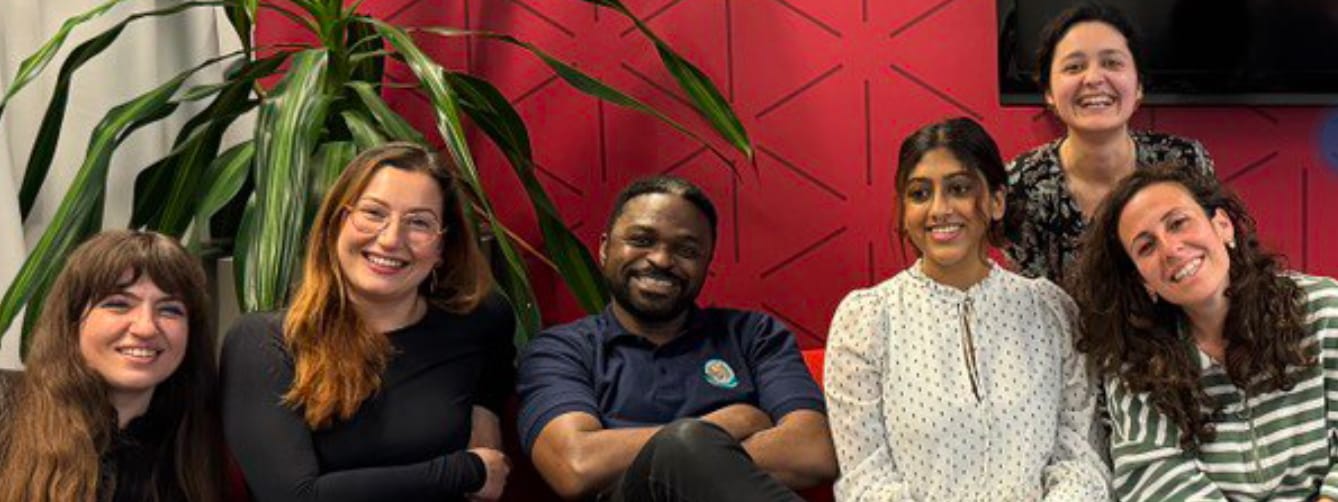
    The Digital Society School of the Amsterdam University of Applied Sciences recently hosted a revealing exploration into Impostor Syndrome, a psychological pattern where individuals doubt their accomplishments and fear being exposed as a fraud despite evidence of their competence. Often hidden behind a mask of success, those affected believe they are not as capable as others perceive, attributing their achievements to luck rather than skill. This phenomenon, although not classified as a psychiatric disorder, is rarely the subject of empirical studies, making it a compelling topic for academic inquiry.

    Originally identified by psychologists Clance and Imes in 1978, Impostor Syndrome has been acknowledged by many notable figures including Albert Einstein and Maya Angelou, who despite their substantial contributions, felt undeserving of their accolades. In 2017, psychologist Pauline Rose Clance developed an “impostor scale” to quantify these experiences, which highlights the ongoing relevance and complexity of this issue.

    During our sessions, participants discussed various root causes of Impostor Syndrome, tracing its origins to diverse factors such as background, race, previous experiences, and self-perception. This syndrome not only manifests in academic settings but also pervades professional environments, where achievements are often overshadowed by deep-seated self-doubt.

    In light of these discussions, we are motivated to explore interventions such as bibliotherapy and cinematherapy. These approaches utilize literature and cinema, respectively, to address and alleviate the psychological burdens associated with Impostor Syndrome. Such strategies could offer therapeutic insights and relief to those struggling with these hidden fears.

    Discussion Points:

    1. The Role of Background and Identity: How do personal histories and societal factors contribute to the prevalence of Impostor Syndrome?
    2. Mitigation through Media: Can bibliotherapy and cinematherapy offer effective tools for combating feelings of fraudulence? What other methods might be similarly beneficial?

    3. Recognition vs. Reality: How does recognizing one’s achievements impact one’s perception of impostorism? Can greater external affirmation resolve the internal conflict?

    This initiative seeks not only to understand the deeper implications of Impostor Syndrome but also to develop effective strategies for overcoming it. By fostering an open dialogue, we aim to deconstruct the barriers that prevent individuals from fully recognizing and embracing their success. Your insights and experiences are valuable to this discussion—please share your thoughts and join us in this intellectual exploration.

    Contributed by
    Dr. Sola Owolabi
    The Digital Society School of the Amsterdam University of Applied Sciences

  • Maximising Academic Achievement using AI Tools: Insights from Dr. Ayodele John Alonge

    Maximising Academic Achievement using AI Tools: Insights from Dr. Ayodele John Alonge

    Maximising Academic Achievement Using AI Tools: Insights from Dr. Ayodele John Alonge

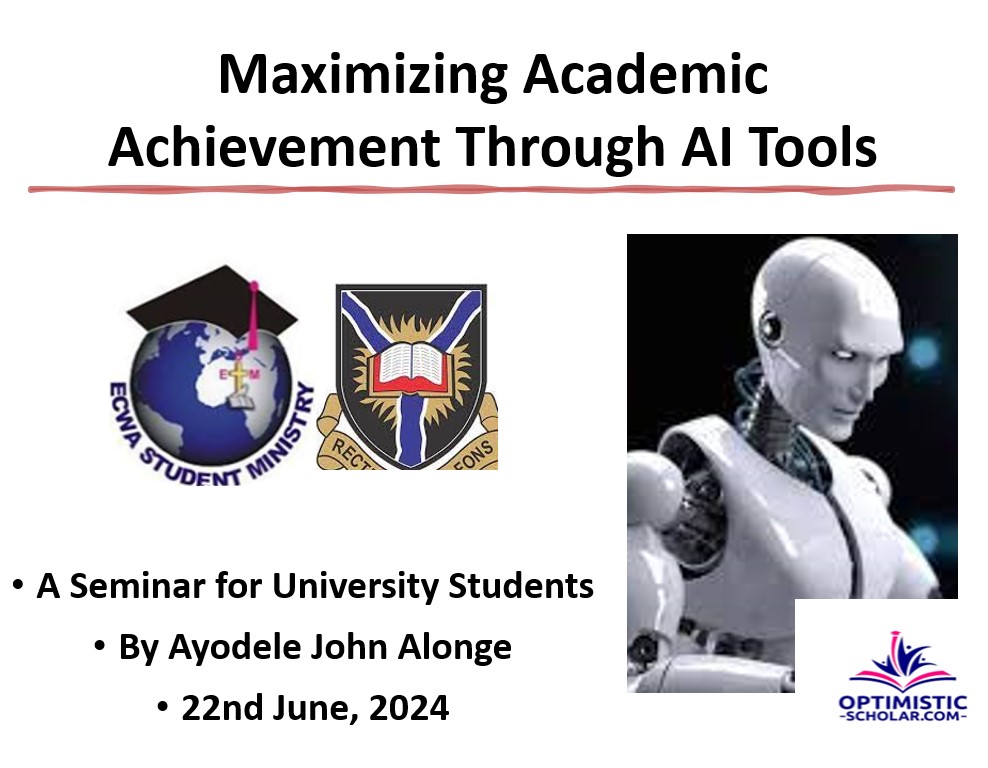
    In today’s fast-changing educational scene, artificial intelligence (AI) transforms how we approach learning and teaching. Dr. Ayodele John Alonge, a lecturer and researcher at the University of Ibadan and the principal content developer of the OptimisticScholar blog, discusses how AI tools could enhance academic performance in an upcoming talk. This lecture, delivered online at the ECWA Student Ministry Academic Summit on June 22, 2024, at the University of Ibadan in Nigeria, provides critical insights and practical uses of artificial intelligence in education. The article explores Dr. Alonge’s thorough guidance on using AI to improve educational outcomes.

    An Overview of AI in Education

    Artificial intelligence has become an essential component of modern education, providing creative solutions that go beyond traditional teaching approaches. Artificial intelligence tools are designed to:

    -Personalise Learning Experiences: AI personalises instructional content to fit each student’s specific needs, ensuring the appropriate amount of challenge and support.
    – **Streamline Administrative processes:** Automating processes like grading and scheduling allows educators to focus on teaching and student interaction.
    – **Offer Intelligent Tutoring Systems:** AI-powered tutors provide real-time feedback and support to help students learn complicated ideas and develop their skills.

    Key Artificial Intelligence Tools for Students

    Dr. Alonge presents various AI tools that have a substantial impact on teaching.

    • Intelligent Tutoring Systems (ITS): These systems use artificial intelligence (AI) to give personalised teaching that adapts to the student’s learning style and speed. Examples include Carnegie Learning and DreamBox.
    • AI-Enhanced Learning Management Systems (LMS): Platforms such as Canvas and Blackboard use AI to provide personalised learning paths and predictive analytics that help identify students who are at danger of falling behind.
    • Natural Language Processing (NLP) Tools: AI-powered tools like Grammarly and WriteLab improve writing skills by delivering real-time grammar and style suggestions.

    AI for administrative tasks

    Integrating AI in administrative work has various advantages:

    • Automated Grading: AI can evaluate multiple-choice tests and even essays, delivering immediate feedback and relieving educators of the time-consuming chore of manual grading.
    • Student Performance Analytics: AI systems analyse student data to provide insights into their performance and learning habits, allowing instructors to identify areas where students may want further assistance.

      Personalised learning with AI

    Personalised learning is one of the most revolutionary effects of AI in education. AI can analyse data from students’ interactions with instructional content.

    • Customise Learning Material: Tailor classes to students’ specific needs, making learning more effective and enjoyable.
    • Predict Learning Outcomes: Use predictive analytics to forecast students’ future performance and provide interventions that will help them achieve.

    Challenges and Ethical Consideration

    While AI provides various benefits, there are some problems and ethical considerations to address:

    • Data Privacy: Ensuring that student information is protected and utilised appropriately.
    • Bias in AI Algorithms: AI systems must be fair and unbiased to prevent reinforcing current educational inequities.
    • Edcuacators  Training: Educators require training to effectively integrate AI tools into their teaching practices.

    Future Trends in AI & Education

    Looking ahead, artificial intelligence is projected to continue affecting the future of education in various ways:

    • Advanced Adaptive Learning Systems: These systems will grow even more complex, offering highly tailored learning experiences.
    • AI in Collaborative Learning: AI will improve student collaboration, both in person and online, by linking learners with complementary talents and knowledge.
    • Virtual and Augmented Reality: AI-powered VR and AR will offer immersive learning environments, improving comprehension and recall of complex subjects.

    Question and Answer Session Highlights

    During the Q&A session, Dr. Alonge answered several crucial questions from the audience.

    • Installation in Low-Resource Settings:  Dr. Alonge emphasised AI’s ability to bridge educational gaps in low-resource settings through scalable and cost-effective solutions.
    • The Teacher’s Role in an AI-Powered Classroom: AI is viewed as a tool to support, not replace, instructors. Educators will continue to play an important role in advising and mentoring students.

    Conclusion

    Artificial intelligence has the potential to alter education, making it more personalised, efficient, and successful. Dr. Ayodele John Alonge’s views serve as a vital road map for educators, students, and policymakers seeking to harness the power of artificial intelligence in education. By adopting these innovative tools, we can pave the road for a more inclusive educational future.

    To learn more about the topic, view the whole video of Dr. Alonge’s address here

  • Harnessing AI for Academic Innovation: CARTA’s Webinar Series on Transforming African Research

    Harnessing AI for Academic Innovation: CARTA’s Webinar Series on Transforming African Research

    Unveiling AI’s Potential in African Academia: Join CARTA’s Upcoming Webinar

    As we progress into a future deeply influenced by technological advances, the conversation about the transformative role of artificial intelligence (AI) in academia and research is crucial. The Consortium for Advanced Research Training in Africa (CARTA), known for building a vibrant, multidisciplinary African academy that leads world-class research, is at the forefront of enhancing research capacity across the continent. CARTA is ready to lead this critical dialogue through a dynamic and timely series of webinars.

    Registration Procedure  Register Here  
    Join to engage in a transformative discussion that aims to redefine the landscape of research and academia in Africa through artificial intelligence.

    Why This Webinar Is Crucial

    The urgency of integrating AI into academic research and development strategies cannot be overstated—CARTA’s upcoming webinar arrives at a critical moment. As academic demands grow more complex, utilizing AI is shifting from an innovative option to an essential strategy. CARTA’s initiative underscores its dedication to pioneering advancements and boosting efficiency within Africa’s research and development sectors.

    Webinar Highlights

    Set for July 3 & 17, 2024, the webinar series promises an in-depth exploration of how AI can revolutionize the effectiveness, efficiency, and impact of research initiatives. Academics, researchers, and enthusiasts alike will find immense value in discovering the opportunities AI presents and the challenges it poses, as noted in CARTA’s recent  X (Twitter) post

    Engage and Explore

    The enthusiasm for these discussions is evident, and like many, the OptimisticScholar and its followers are eagerly awaiting the chance to engage. This webinar serves as a vital platform to debate how AI can meet the unique needs of the African continent and beyond, boosting our research capabilities and global impact.

    Stay tuned for the registration link from CARTA. Be sure to mark your calendars and get ready to participate in a transformative discussion aimed at reshaping the landscape of research and academia in Africa through artificial intelligence. We will update you as soon as the registration link becomes available.*

    Join us to leverage the power of AI and discover how it can foster a more innovative and impactful research environment in Africa. Don’t miss this opportunity to be part of a pivotal conversation that could define the future of academia on the continent of Africa and beyond.

    – Contributed by
    John Alonge 

  • Former University Dropout Receives Intellectual Excellence Award at Africa Leadership University

    Former University Dropout Receives Intellectual Excellence Award at Africa Leadership University

    Damilare Oyedele Honored with Intellectual Excellence Award at Africa Leadership University Graduation

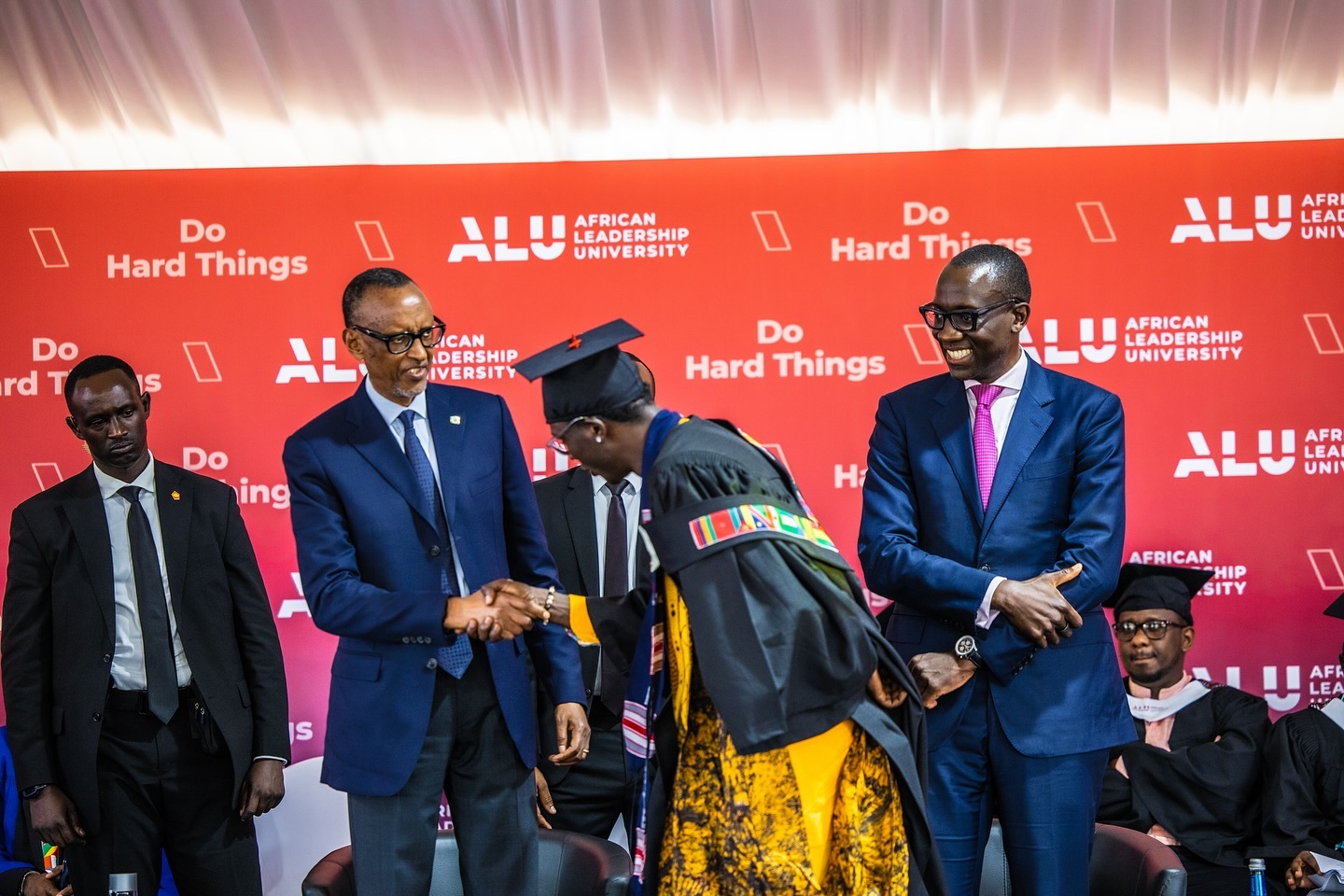
    In an inspiring turn of events at the Africa Leadership University (ALU), Damilare Oyedele was recently awarded the prestigious Intellectual Excellence Award during the university’s graduation ceremony. This award is a testament to Oyedele’s remarkable intellectual achievements and his profound commitment to continuous learning, which aligns with ALU’s core values.

    Oyedele’s path to success was fraught with challenges. After dropping out of university in Nigeria in 2016 due to financial difficulties, his prospects seemed bleak. Yet, the tide turned in 2020 when he received a full scholarship from the Mastercard Foundation to attend ALU. Reflecting on this pivotal moment, Oyedele remarked that receiving the scholarship marked the commencement of "one of the greatest journeys" of his life, filled with opportunities and personal growth.

    Throughout his time at ALU, Oyedele has excelled academically and has significantly contributed to community development through his initiative, Library Aid Africa. His organization has played a crucial role in enhancing access to educational resources, expanding its reach across 24 African countries, and establishing a new hub in Rwanda to further its mission.


    Notably, the ceremony was graced by the presence of His Excellency Paul Kagame, President of Rwanda, who personally congratulated Oyedele, further highlighting the importance of this achievement.

    The story of Damilare Oyedele is a profound reminder of the power of resilience and the importance of nurturing supportive communities that can propel individuals toward their goals. His commitment to his education and to Library Aid Africa illustrates the impact of perseverance and vision in overcoming obstacles.

    This recognition by ALU not only celebrates Oyedele’s personal achievements but also serves as a beacon of inspiration for many young people across Africa. It encourages current and future students to pursue their educational goals relentlessly, despite the hardships they may face.

    Let this story be a lesson in the enduring power of hope and the transformative impact of education. To the youth of Africa and beyond, let Damilare Oyedele’s journey inspire you to embrace your challenges as opportunities. Remember, with determination and the support of a community that believes in your potential, there is no limit to what you can achieve. Keep striving, keep learning, and never underestimate the power of education to change your life and the lives of those around you.

    For more information, visit the source of this news at Damilare Oyedele Facebook post.

  • 7 Common Mistakes to Avoid When Applying for Scholarships

    7 Common Mistakes to Avoid When Applying for Scholarships

    Applying for scholarships is an effective strategy to finance education and minimize student loan debt. However, it’s crucial to steer clear of common pitfalls that could diminish the chances of securing these awards.

    Annually, millions of students seek scholarships, and numerous resources are available to aid their success. One pivotal strategy to enhance the likelihood of winning scholarships is to meticulously avoid any errors during the application process.

    Here are seven common mistakes that applicants should avoid when seeking scholarships:

    1. Delaying the Start of Research: Initiating the research for scholarships early provides ample time to discover appropriate opportunities and prepare applications. With a diverse array of scholarships available, dedicating time to find those that align with one’s qualifications and goals is essential.
    2. Overlooking the Application Deadline: Applications must be submitted by the stipulated deadlines as late submissions are generally not accepted.
    3. Ignoring Specific Instructions: Each scholarship comes with its unique set of requirements. Applicants must read these instructions carefully and adhere strictly to them to avoid disqualification.
    4. Neglecting the Requirements: It is critical to thoroughly understand the requirements of each scholarship to ensure that the application is in alignment.
    5. Failing to Proofread Application Materials: All application materials should be meticulously proofread to avoid grammar, spelling, or punctuation errors. An application riddled with errors can create a negative impression on the selection committee.
    6. Submitting a Poorly Written Essay: Essays should be compelling and well-structured, effectively conveying the applicant’s goals, experiences, and reasons for deserving the scholarship.
    7. Procuring Letters of Recommendation Late: Applicants should give their recommenders ample time—preferably at least a month—to write thoughtful recommendation letters.

    Avoiding these mistakes can significantly enhance an applicant’s chances of winning a scholarship.

    Additional Tips for Crafting Winning Scholarship Essays:

    • Be specific and use examples to substantiate claims.
    • Ensure essays are original to avoid plagiarism, which could result in disqualification.
    • Share a personal story and articulate a passion for the scholarship and field of study.
    • Allow the personal character to reflect genuinely in the essay.
    • Conduct a thorough proofread of the essay before submission.

    These guidelines and tips can aid in strengthening scholarship applications, ultimately increasing the probability of obtaining financial support for educational pursuits.