Category: Scholar Opinions

  • Frontiers of AI: Insights from the Latest Trends in Artificial Intelligence Research Webinar

    Frontiers of AI: Insights from the Latest Trends in Artificial Intelligence Research Webinar

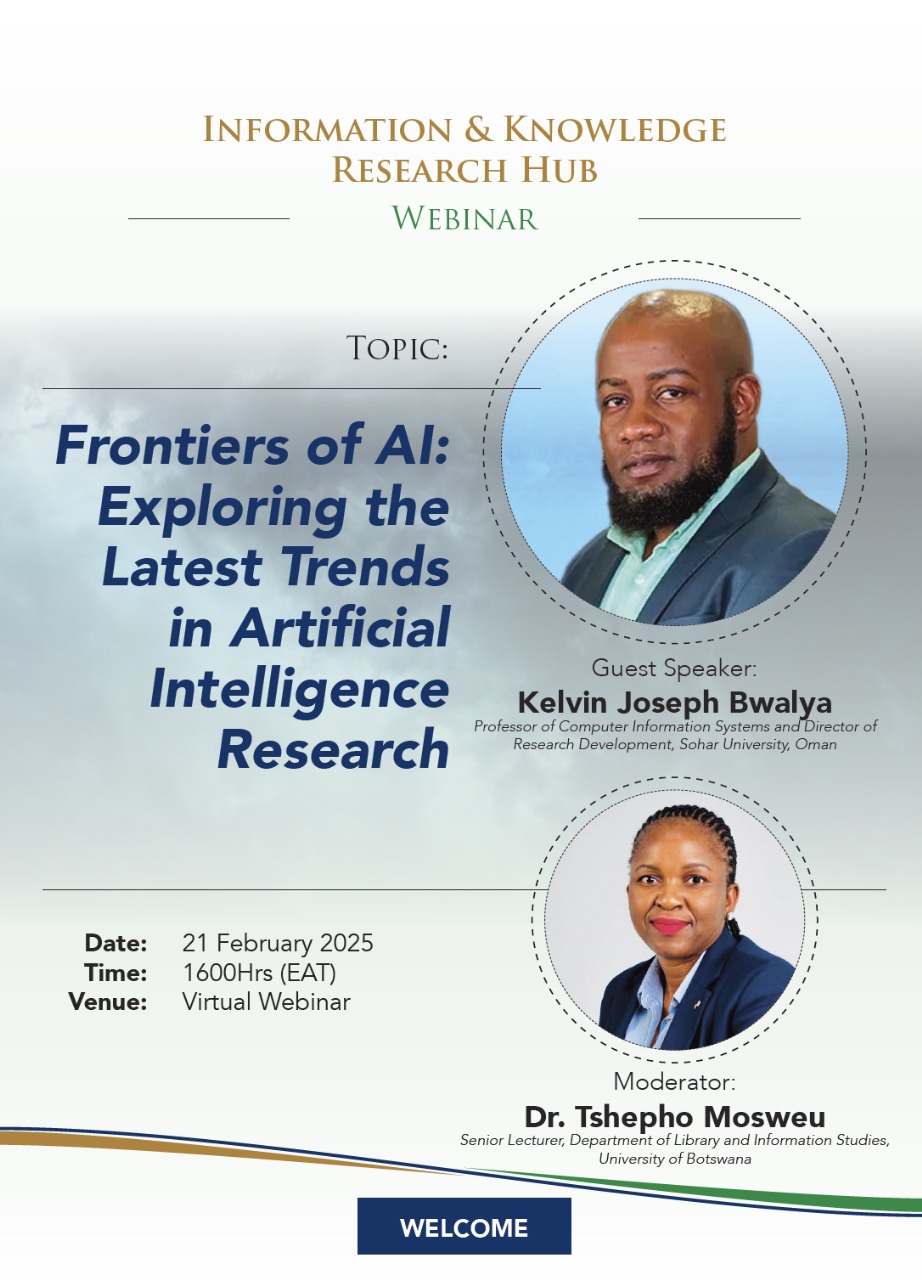
    Artificial Intelligence (AI) is here to stay, whether we like it or not. The recent webinar titled “Frontiers of AI: Exploring the Latest Trends in Artificial Intelligence Research” brought together leading AI experts to discuss the latest advancements, challenges, and opportunities in the field.

    AI for Research: SciSpace-Research for Students, Academics, and Librarians with All-in-One AI Tools

    Webinar Recap

    The webinar, held on 21 February 2025, was organized by the Information & Knowledge Research Hub, a group dedicated to fostering discussions and exploration in diverse aspects of information and knowledge management. The hub serves as a space for curious minds and lifelong learners, and is coordinated by Prof. Tom Kwanya.

    The event featured distinguished guest speaker Professor Kelvin Joseph Bwalya, Professor of Computer Information Systems and Executive Director of Research Development at Sohar University, Oman. The session was moderated by Dr. Tshepho Mosweu, Senior Lecturer, Department of Library and Information Studies, University of Botswana.

    Key Takeaways from the Webinar

    1. Human-Machine Collaboration is the Future

    One of the critical discussions in the webinar highlighted the need for human-machine collaboration in AI development. Professor Bwalya emphasized that AI and humans must work together, with machines learning from data while humans push innovations further. Encouraging continuous man-machine interaction will be key to improving AI capabilities and ensuring AI works equitably across different applications.

    2. Africa Must Invest in Groundbreaking AI Innovations

    Despite Africa’s growing AI landscape, there is still a lack of groundbreaking innovations. While Kenya has attracted major AI investments, including Microsoft, many African nations are not yet leveraging their full potential in AI research and development. The webinar stressed the importance of Africa moving beyond being consumers of AI and instead becoming creators of homegrown AI solutions that can shape global AI advancements.

    3. The Role of AI Governance and Policy Frameworks

    The conversation around AI governance and policy remained central. Discussions covered the European AI Act (July 2024) and the African Union’s Continental AI Strategy (July 2024), both of which aim to regulate AI responsibly. Participants highlighted the need for African governments to create AI policies that not only regulate but also promote innovation while safeguarding ethical AI practices.

    4. AI’s Impact on Information Science and Knowledge Management

    AI is reshaping library and information science by automating metadata management, semantic analysis, and knowledge organization. Professor Bwalya emphasized that AI thrives on structured, linked data, necessitating a shift in skill sets and curricula for African information professionals.

    He stressed that traditional information management approaches are evolving, and professionals must embrace AI-driven data analysis, knowledge representation, and machine learning applications to stay relevant in the digital age.

    5. The Need for Africa-Based AI Development

    A major concern raised was the fact that most AI systems are designed in Western countries, often overlooking African data and perspectives. This lack of representation in AI development results in bias and misinformation when applied to African contexts.

    Participants called for African-centered AI development, focusing on local languages, cultures, and socio-economic realities. There was also a discussion on data sovereignty, ensuring that African data remains under African control rather than being monetized by external entities.

    6. AI and the Global Innovation Race

    The global AI competition is accelerating, with China, the US, and Europe leading the way. Elon Musk’s Grok AI, along with China’s latest AI advancements, have heightened the competition in superintelligent AI systems. The discussion raised concerns about Africa’s position in this AI race, with a call for governments and institutions to prioritize AI investment and participate more actively in international AI development.

    Looking Ahead: Africa’s AI Future

    The webinar concluded with a call to action: Will Africa lead in AI, or will it continue playing catch-up? Policymakers, researchers, and industry leaders must take bold steps to ensure Africa is not merely a consumer of AI technology but an innovator and contributor.

    With initiatives like Agenda 2063 and emerging AI governance frameworks, Africa has a strong foundation to build upon. However, the continent must move beyond discussions and take concrete actions toward AI research, policy development, and cross-sector collaborations.

    Final Thoughts

    The webinar reinforced the urgency for African researchers and policymakers to actively participate in shaping AI regulations, developing AI-driven solutions, and integrating AI into various industries.

    Participants emphasized that collaboration is key, advocating for interdisciplinary partnerships between AI researchers, legal experts, policymakers, and business leaders. Only by working together can Africa bridge the gap and establish itself as a force in AI development.

    Appreciation goes to Professor Kelvin Joseph Bwalya and Dr. Tshepho Mosweu for leading this engaging and thought-provoking discussion, as well as Prof. Tom Kwanya and the Information & Knowledge Research Hub for organizing the event.

    Register for a similar webinar, –Practical AI Applications in Research & Professional Fields

  • Teaching Portfolio and Pedagogical Expertise Statement of Dr. Ayodele John Alonge

    Teaching Portfolio and Pedagogical Expertise Statement of Dr. Ayodele John Alonge

    Teaching Portfolio and Statement of Pedagogical Expertise

    -Dr. Ayodele John Alonge


    Introduction

    Dr. Ayodele John Alonge is an accomplished scholar, educator, and information professional with over 18 years of extensive experience across multiple disciplines, including communication, library science, publishing studies, and archival and records management. His academic journey and career have been characterized by a commitment to utilizing Information and Communication Technology (ICT) to enhance educational practices, bridge theoretical concepts with practical applications, and achieve organizational objectives.

    Guided by his foundational philosophy, Dr. Alonge defines education in May 2019 as follows:

    “Education is the measured and systematic process of leading the human mind and soul to the best information that is capable of leading to an effective performance of necessary tasks, thereby, creating lifelong skills, experience, or satisfaction.”

    Ayodele-John-Alonge-Edcuation-defination.

    This definition underpins his teaching philosophy and pedagogical methods, which emphasize engaging students in ways that foster lasting skills, build practical experience, and ultimately lead to a fulfilling and informed life.

    Dr. Alonge lecturer in the Department of Library, Archival, and Information Studies at the University of Ibadan, Nigeria (on leave of absence). He is also a visiting scholar at Karatina University, Kenya, and a Digital Transformation Researcher at the Amsterdam University of Applied Sciences, Netherlands. His role at Karatina University includes serving as the Editor-in-Chief for the Interdisciplinary Journal of Contemporary Research in Information and Communication (IJCRIC) and convening the International Conference on AI and Sustainable Knowledge Systems (ICSKS 2025).

    His contributions extend beyond academia to significant roles in professional and volunteer settings, where he spearheads the development of innovative library projects, particularly focusing on green library initiatives, and provides consultancy services on emerging technologies in the library and information science field.

    Pedagogical Expertise

    Dr. Alonge’s pedagogical expertise is deeply rooted in his diverse experiences and continuous professional development. He is known for his ability to foster active, collaborative, and experiential learning environments. His teaching philosophy involves the integration of ICT and innovative pedagogical techniques to enhance student learning outcomes and ensure that students are prepared to meet the demands of the evolving information landscape.

    Active and Collaborative Learning

    Dr. Alonge employs a variety of active and collaborative learning strategies, including hands-on activities, group work, and practical assignments that allow students to engage deeply with course content. His emphasis on experiential learning ensures that students can apply theoretical knowledge in real-world contexts, enhancing their skills and preparing them for professional practice.

    Integration of ICT in Education

    With over 18 years of experience in ICT, Dr. Alonge integrates technology into all aspects of his teaching and research activities. He has successfully leveraged digital tools to enhance both learning and information management, and he actively conducts ICT training sessions for academic staff and students to foster digital literacy and improve technology-enhanced learning practices.

    Teaching Experience

    Current Positions:

    • Lecturer & Researcher, University of Ibadan, Nigeria (On Leave of Absence):
      • Pedagogical Expertise: Utilizes diverse teaching methods, including ICT integration, to foster engaging, active, and collaborative learning environments.
      • Teaching and Assessment: Engages students with effective teaching strategies for both theoretical and practical contexts, evaluates their performance, and monitors their academic growth and progress.
    • Visiting Scholar, Karatina University, Kenya:
      • Courses Taught: INS 815 (C) – Introduction to Ethics & Policy, and Information Literacy.
      • Conference Leadership: Leads the International Conference on AI and Sustainable Knowledge Systems (ICSKS 2025).
      • Editorial Role: Editor-in-Chief for IJCRIC.
    • Digital Transformation Researcher, Amsterdam University of Applied Sciences, Netherlands:
      • Project Management: Oversees service design projects and digital transformation research, applying design thinking methodologies.
      • Storytelling and Communication: Utilizes storytelling techniques to convey insights and enhance engagement among stakeholders.

    Past Positions:

    • Librarian (Visiting Scholar), University of Groningen, Netherlands (2023-2024):
      • Managed special collections, focusing on acquisition, cataloging, preservation, and digitization.
      • Provided research support and facilitated access to special collections for scholars.
    • Emerging Technology Librarian, University of Ibadan, Nigeria (2013-2018):
      • Enhanced library services and information access through the integration of emerging technologies.
      • Conducted ICT training sessions for academic staff and students, promoting digital literacy.
    • National Communication Analyst, Nigerian Library Association (2017-2021):
      • Enhanced the communication mission through effective digital communication strategies.
      • Developed and managed social media strategies to support organizational growth and outreach.

    Courses Taught:

    Undergraduate Courses:

    • LIS 101: Introduction to Library, Archives, and Information Studies
    • LIS 103: Introduction to Information Technology
    • LIS 411: Evaluation of Library, Archives, and Information Services
    • LIS 412: Entrepreneurship in Library, Archival, and Information Studies
    • UCC 100: Information Literacy
    • MAC 323: Photojournalism
    • MAC 233: Computer Applications for Media
    • GST 121: Use of Library, Study Skills & ICT

    Postgraduate Courses:

    • LIS 712: Information Technology in Library Information Centres
    • ARM 704: Digital Curation for Information Professionals
    • ARM 713: Automation in Archives and Records Management
    • MPC 707: Computer Application in Publishing
    • MPC 712: Issues in Electronic Publishing
    • CLA 710: Digital Journalism
    • OIM 704: Emerging Information Technology
    • LAC 716: Current Trends in Communication Technology
    • OIM 903: Information Technology Management Cases
    • CIPR Diploma: Digital Communication

    Supervision and Mentorship

    Dr. Alonge has successfully supervised numerous undergraduate and postgraduate research projects, demonstrating his ability to mentor and guide students in their academic journeys. His supervision portfolio includes:

    • 22 Undergraduate Projects Supervised
    • 15 Master’s Projects Supervised
    • 3 Ongoing Ph.D. Projects (as of May 2024)

    Research Interests and Contributions

    Dr. Alonge is actively involved in translating research into practical applications, particularly in areas of digital records curation, archival management, and information ethics. His research interests include:

    • Digital Records Curation and Preservation: As an expert in archival science, Dr. Alonge’s work emphasizes the importance of integrating modern technologies into archival practices to enhance accessibility, management, and preservation.
    • Health Information and Communication: He has led several health communication research projects, including studies funded by the Consortium for Advanced Research Training in Africa (CARTA), focusing on HIV awareness through Nollywood movies and other innovative communication channels.
    • Green Library Initiatives: In his role as Project Director of the Afrelib Green Library Project, Dr. Alonge leads a team dedicated to implementing sustainable library practices and advancing green library standards.

    Contributions to Professional Development and Service

    • Conference Leadership: Dr. Alonge has played a crucial role in organizing several high-profile conferences, such as the International Conference on AI and Sustainable Knowledge Systems (ICSKS 2025).
    • Special Collections Management: During his tenure as a visiting scholar at the University of Groningen, Dr. Alonge curated special collections, focusing on rare materials, their acquisition, cataloging, preservation, and accessibility.
    • Social Media and Digital Communication: Dr. Alonge has developed digital communication strategies for various organizations, enhancing public engagement and promoting library services.

    Professional Training and Certifications

    • Digital Records Curation Programme (DRCP), University of Botswana (2019)
    • Data Science for Information Professionals Summer School, Western University, Canada (2024)
    • Carnegie CPD Programme, University of Pretoria (2015)

    Dr. Alonge’s dedication to continuous professional development is reflected in his participation in advanced training programs and his role in organizing professional development workshops for academic and library staff.

    Administrative Experience and Community Engagement

    • Membership Coordinator, Gideons International (Netherlands): Coordinates membership activities and ensures engagement.
    • Chair, Computer Committee, Faculty of Education, University of Ibadan (2021-2022): Oversaw ICT integration and emergency remote learning initiatives.
    • Business Manager, Nigerian Journal of Library and Information Science: Manages editorial activities to maintain quality scholarly output.

    Publications and Research Outputs

    For a comprehensive list of Dr. Alonge’s publications, including chapters in books, articles in refereed conference proceedings, and journal articles, please visit Publication List.

    Conclusion

    Dr. Ayodele John Alonge is a distinguished educator, researcher, and professional with a deep commitment to fostering learning environments that are collaborative, technologically integrated, and focused on student success. His philosophy of education, which he defines as the structured process of guiding the mind and soul to transformative information that cultivates lifelong skills and fulfillment, underpins his approach to teaching and mentorship. His expertise in library science, archival management, and digital transformation, combined with his extensive experience in teaching, mentorship, and project leadership, position him as a leading figure in the field of information science. Dr. Alonge’s work continues to make significant contributions to the advancement of library and archival practices, the integration of ICT in education, and the development of sustainable information management systems

  • Being & Becoming Bobrisky: Agency, Subjectivity, and Politics

    Being & Becoming Bobrisky: Agency, Subjectivity, and Politics

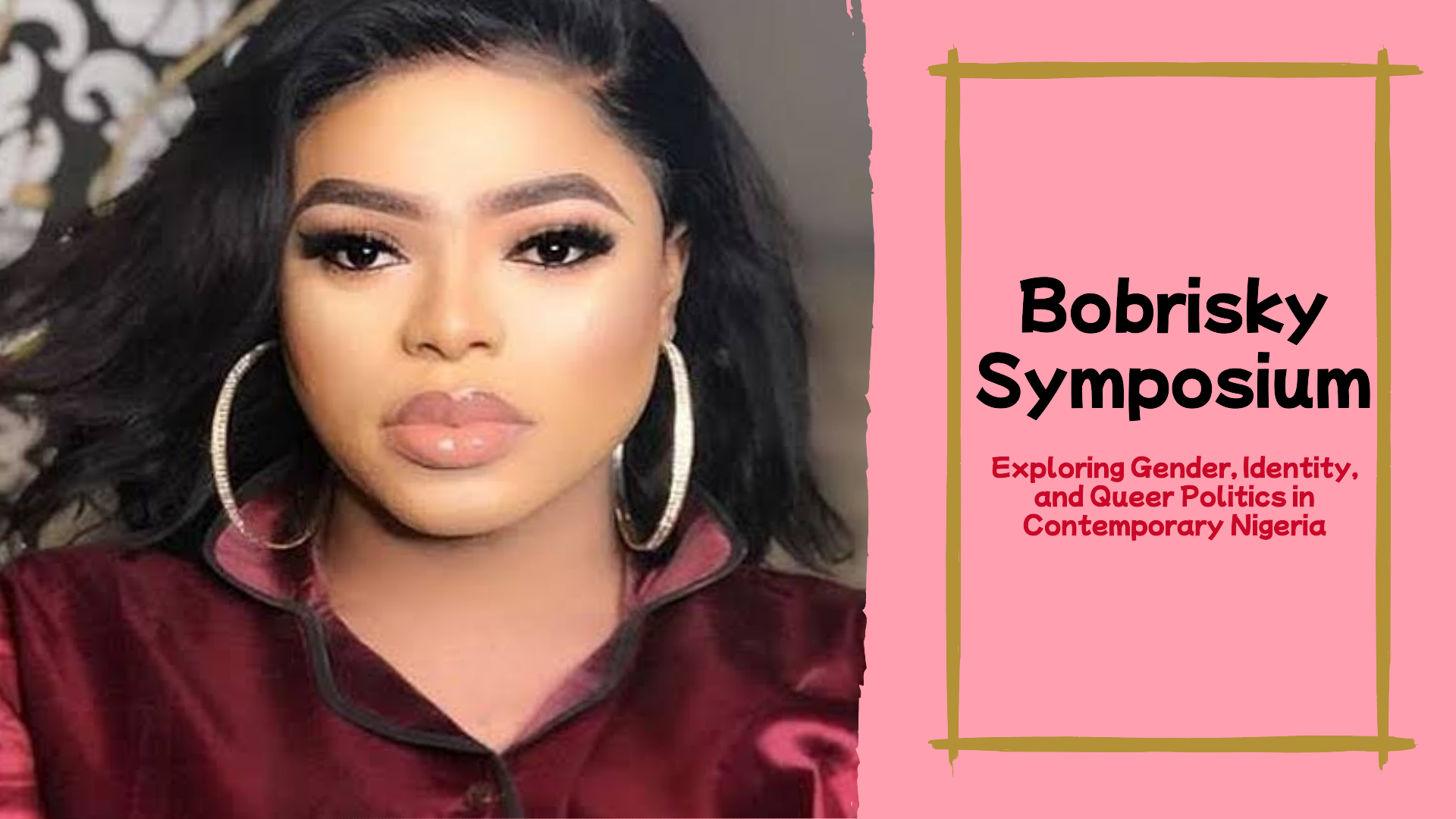
    Being Bobrisky Symposium: Agency, Subjectivity, and Politics

    The LSA African Studies Center at the University of Michigan and the University of Kansas invite you to the  Being Bobrisky Symposium, a deep exploration into the influence of Bobrisky—controversial Nigerian crossdresser Okuneye Idris—on social relations, queer politics, and self-expression in Nigeria. This event will explore how Bobrisky challenges traditional norms and redefines identity in African society.

    Join the Conversation:
    This symposium is for anyone interested in the intersection of gender, identity, and politics in Africa. Reflect on how public figures like Bobrisky confront societal expectations and inspire new forms of activism and self-fashioning.

    • Date: November 2, 2024
    • Time: 10.00 AM US Central Time
    • Venue:  Virtual Zoom

    Keynote Address:
    Africa’s Second Struggle for Freedom: The Legal Subject Revisited
    Professor Olúfémi Táiwò, Cornell University

    To join the Symposium, Register here 

    The symposium will feature an esteemed panel of scholars and experts, including Rudolf Gaudio from Purchase College, NY; Adunni Adelakun from the University of Texas, Austin; Matthias Krings from the University of Mainz; Paul Onanuga from the University of Oye-Ekiti; Ololade Faniyi from Emory University; Bukola Ochei from the University of Ibadan and the University of Michigan; Oluwayinka Arawomo from Millikin University; and Nneoma Onwuegbuchi from the University of Wisconsin.


  • Nigeria’s Forestry and Education at a Crossroads: UI Professor Calls for Urgent Reforms

    Nigeria’s Forestry and Education at a Crossroads: UI Professor Calls for Urgent Reforms

    Nigeria’s Forestry at Risk, Warns UI Professor

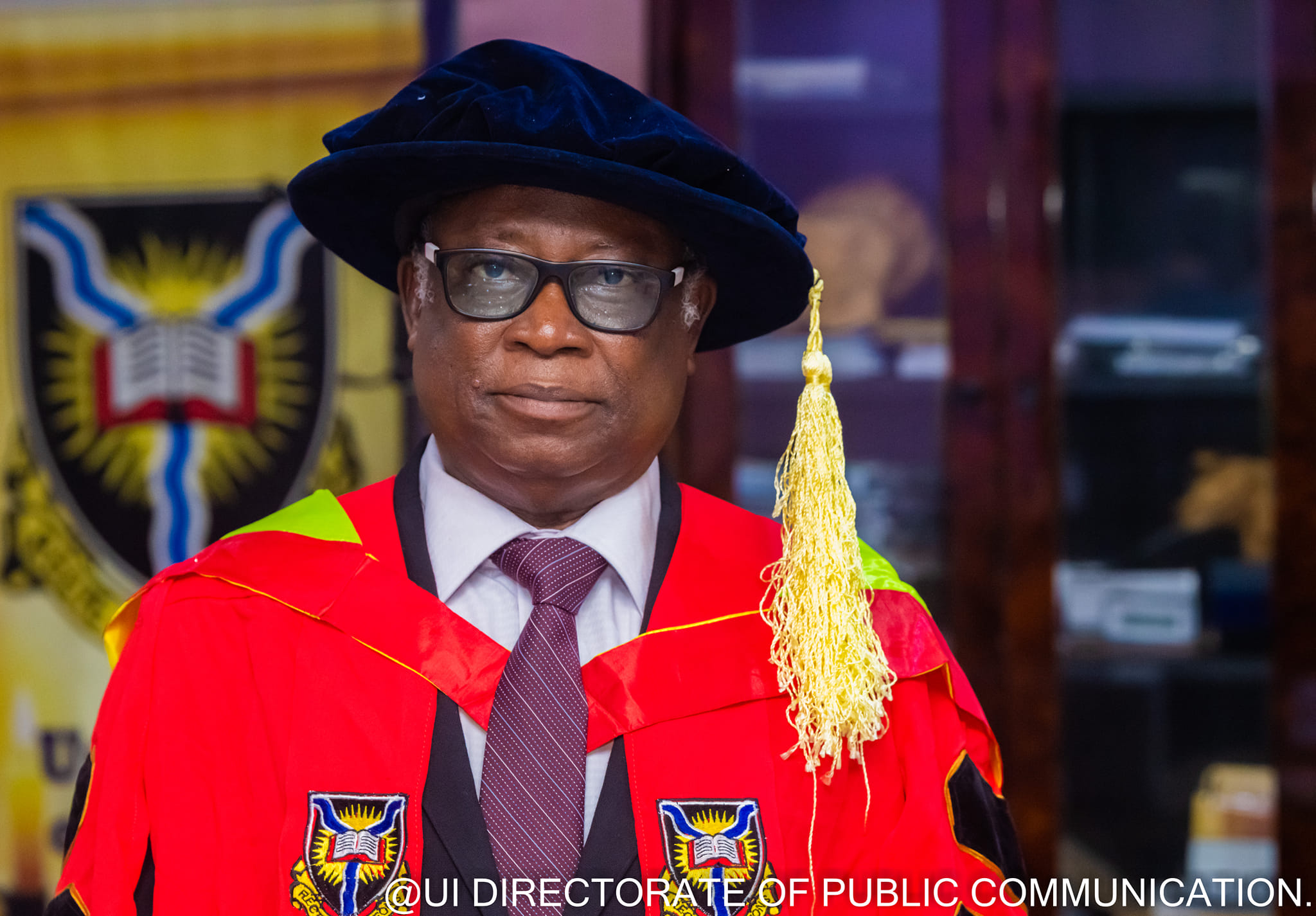
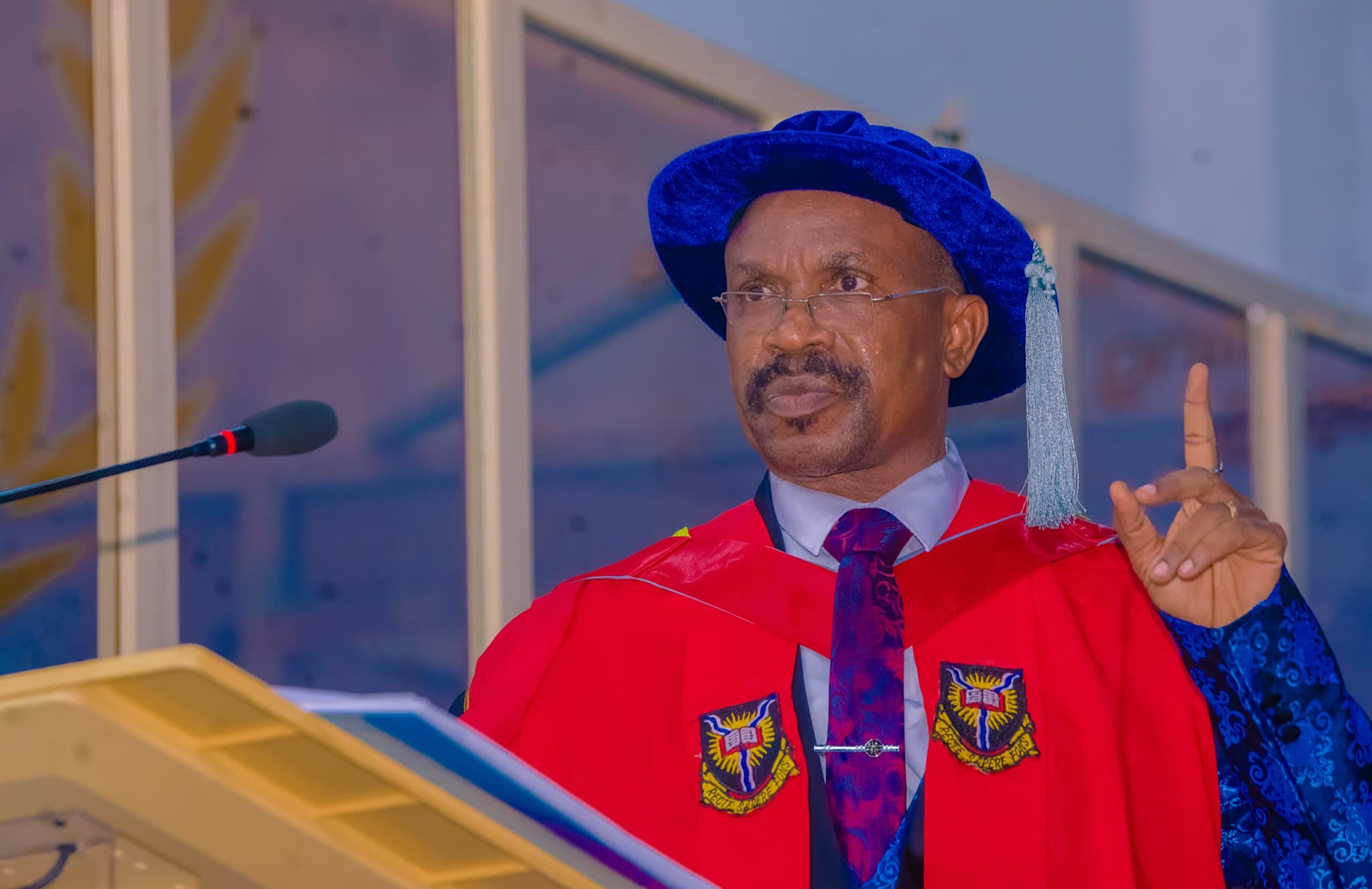
    Nigeria’s forests are facing severe threats, warns Professor Ayodeji Oludare Omole, a Forestry Engineering expert at the University of Ibadan. In his inaugural lecture titled   Working in the Shadows of Death, Professor Omole outlined key challenges in the country’s forestry sector, including rapid population growth, agricultural expansion, illegal logging, and widespread insecurity.

    Speaking at the 561st Inaugural Lecture of the University of Ibadan, he expressed deep concern over the impact of insurgency and violence, particularly in northern Nigeria, which endangers the lives of both farmers and forestry professionals. These security issues have made forest management and reforestation efforts increasingly difficult, further depleting Nigeria’s already threatened forests.

    Professor Omole emphasized that the effects of these attacks stretch beyond the northern regions, with nationwide consequences for economic growth and foreign exchange. He urged the government to focus on promoting reforestation and afforestation, both crucial to restoring ecosystems, mitigating climate change, and improving food security. He stressed the need for financial backing from the government and private institutions to support these initiatives, which would enhance national prosperity and create jobs.

    The professor also called for a dedicated financial allocation to forestry to ensure sustainable management and protect ecosystems and communities reliant on forest resources. Despite the risks, he praised forest engineers for their essential role in managing timber, pulpwood, and other forest products critical for national development. He called for stronger safety measures for these professionals.

    In addition to forestry, Professor Omole, a former ASUU chairman, addressed the crises facing Nigeria’s university system. He described how policies like the Nigerian University System Innovation Portal (NUSIP), the Treasury Single Account (TSA), and the Integrated Personnel and Payroll Information System (IPPIS) are stifling the autonomy and growth of higher education institutions. These policies, he argued, threaten intellectual freedom and the sustainability of Nigerian universities, likening the situation to “working in the shadows of death.”

    Without urgent reforms, the professor warned, the university system could rapidly deteriorate, with damaging consequences for both education and the country’s intellectual future.

     Implications for Stakeholders

    Professor Omole urged swift action to enhance security, reform policies, and boost financial investment in both the forestry and education sectors, ensuring their sustained contribution to Nigeria’s development. In his lecture, Professor Omole highlighted critical challenges facing various stakeholders in these sectors across Nigeria.

    Government and Policymakers
    • Security and Forestry Support:  The government must address insecurity to ensure effective forest management and reforestation. Financial support is also critical for the sustainability of the forestry sector.
    • University Reforms: Urgent policy reforms are necessary to protect academic freedom and the autonomy of Nigeria’s universities.

    Forest Engineers and Professionals

    • Workplace Safety: Forestry professionals face dangerous working conditions due to violence. Improved safety measures and government backing are essential to sustainable forestry.
    • Sustainable Operations: Forestry professionals require financial support to manage forests and ensure a steady supply of timber and other products for national development.
    Financial Institutions
    • Green Investment: Reforestation and afforestation projects present an opportunity for financial institutions to contribute to climate resilience and economic growth through green financing.
    Farmers and Local Communities
    • Protection and Involvement:** Farmers facing violence need government protection. Their active involvement in reforestation efforts is crucial for restoring forest ecosystems.
    Academics and Universities
    • Protecting Autonomy: Current policies are stifling Nigeria’s universities. Reforms are needed to safeguard academic freedom and ensure the quality of education.

    OptimisticScholar proudly congratulates Professor Ayodeji Oludare Omole on the outstanding presentation of his Inaugural Lecture at the University of Ibadan. Your dedication and contributions to forestry research, higher education, and unionism were clearly demonstrated, marking a significant milestone in your esteemed academic career. This achievement reflects your tireless efforts and serves as an inspiration to us all. Congratulations.
    ___

    Source/Credit: Information and images provided by the UI Directorate of Public Communications, sourced from the University of Ibadan’s official Facebook page.

  • University of Ibadan Don Advocates for Harnessing Cultural Heritage for Sustainable Development

    University of Ibadan Don Advocates for Harnessing Cultural Heritage for Sustainable Development

    University of Ibadan Don Advocates for Learning from the Past to Shape Future Development

    In a compelling lecture delivered during the 558th Inaugural Lecture at the University of Ibadan, Professor Jonathan Oluyori Aleru, a distinguished scholar of Historical Archaeology, emphasized the crucial need to draw vital lessons from history to chart new pathways for development across all sectors. Professor Aleru’s lecture, titled “Sunset on Yoruba Northern Frontier?“, was presented on behalf of the Faculty of Science.

    Highlighting the untapped potential of cultural resources, Professor Aleru asserted that, if effectively harnessed and developed into tourism capital, these resources could generate a more sustainable and substantial revenue stream than the exploitation of crude oil and solid minerals. He pointed to successful examples from Eastern and Southern Africa, where cultural heritage centers have become significant revenue sources, surpassing income from petroleum and gas industries. Unlike finite natural resources, cultural assets, he noted, are inherently sustainable.

    Professor Aleru expressed concern over the widespread neglect and exploitation of cultural heritage in Nigeria and West Africa, where valuable cultural artifacts are often sold cheaply, leaving communities impoverished both materially and spiritually. He questioned why the destruction and looting of cultural and natural heritage do not receive the same attention as the theft of crude oil, urging authorities to refocus their efforts on preserving these irreplaceable resources.

    Focusing on the Yoruba Northern Frontier—comprising Oyo, Kwara, and Kogi States—Professor Aleru warned of the ongoing and systematic destruction of the region’s rich cultural landscapes. He cited daily human activities, such as farming, infrastructure development, and the exploration of natural resources, as major contributors to the degradation of cultural heritage. Furthermore, he highlighted the growing threat posed by antiquities traffickers, comparing their operations to those of drug traffickers in their sophistication and impact.

    In a call to action, Professor Aleru urged the University of Ibadan’s administration to ensure the survival and advancement of its Department of Archaeology. He stressed that archaeology plays a vital role in addressing the ethnic, political, and religious challenges that arise from Nigeria’s diverse cultural landscape. The discipline, he argued, is essential for fostering a deeper understanding of human differences and preserving the truths of the past.

    The lecture marked the eighth installment in the 2023/2024 inaugural lecture series at the University of Ibadan, underscoring the institution’s commitment to fostering academic discourse on critical national issues.

     TwKeyays for Stakeaakeholders: Emphasizing Cultural Heritage as a Pathway to Sustainable Development
    1. Cultural Heritage as Economic Resource: Cultural resources, when properly harnessed, can provide a more sustainable and profitable revenue stream than traditional natural resources like crude oil and solid minerals.
    2. Successful Global Examples:  Countries in Eastern and Southern Africa have effectively transformed their cultural heritage into significant economic benefits, suggesting a model for Nigeria and West African countries to follow.
    3. Urgent Need for Preservation:  There is a critical need to focus on preserving cultural heritage in Nigeria, as current practices of selling and looting cultural artifacts are unsustainable and impoverishing.\
    4. Infrastructure Investment: Stakeholders should invest in the development of resource centers and infrastructure to protect and showcase cultural heritage, turning it into an economic asset.
    5. Role in National Unity:  Cultural heritage and archaeology play a vital role in addressing ethnic, political, and religious complexities, contributing to national unity and cohesion.
    6. Call for Institutional Support:  The University of Ibadan, and particularly its Department of Archaeology, should receive support to continue its work in preserving cultural heritage and contributing to national development.OptimisticScholar Congratulates Professor Jonathan Oluyori Aleru on His Landmark Achievement
      Congratulations, Professor Aleru, on your remarkable achievement with the landmark presentation of your Inaugural Lecture at the University of Ibadan! Your dedication and expertise in archaeology and anthropology have truly shone through, marking this as a significant milestone in your academic career. This accomplishment reflects your hard work and serves as a source of inspiration to many of us. Well done, Sir!
      _________
      Reference/Credit: Content and images provided by the UI Directorate of Public Communications and obtained from the University of Ibadan’s Facebook page.
  • Integrate Sports into Social Orientation Programs, Urges UI Professor

    Integrate Sports into Social Orientation Programs, Urges UI Professor

    In a compelling call to action, Professor Andrew Olu Fadoju, an esteemed academic in Education, Sports Psychology, and Leisure Studies, urged the government to integrate sports into social orientation programs for greater effectiveness. This recommendation was made during his delivery of the 555th Inaugural Lecture on Thursday, July 25th, 2024, at the University of Ibadan, representing the Faculty of Education. The Deputy Vice-Chancellor Administration of the University of Ibadan, Professor Peter O. Olapegba, presented the Vice-Chancellor, Professor Kayode O. Adebowale, as the inaugural lecturer. The event was  attended by other principal officers, including the deputy vice-chancellors, the librarian, the registrar, and the bursar. The Dean of the Faculty of Education, Professor Femi Adegbesan, alongside other professors, eminent personalities, and family and friends of Professor Fadoju, also graced the occasion.

    The Role of Sports in Education and Social Change

    Professor Fadoju emphasized the multifaceted role sports play in society. He noted that sports are not only a platform for conveying educational, public health, safety, and environmental messages but also a powerful tool for fostering individual development and learning. According to him, sports have the unique ability to bring people together, build confidence, and promote teamwork.

     Bonding Through Sports

    Professor Fadoji with The Deputy Vice-Chancellor Administration, Professor Peter O. Olapegba,

    In his lecture titled “Bonding Through Sports: The Electrovalent and Covalent Nature of Gregarious Beings,” Professor Andrew Olu Fadoju emphasized the transformative power of sports in promoting social cohesion and policy change. He highlighted how sports, much like chemical bonds, create strong connections among individuals and communities, fostering unity and solidarity. By participating in sports, people from diverse backgrounds come together, enhancing personal development and empowering communities to advocate for themselves and drive social change. Professor Fadoju argued that the collaborative nature of sports encourages teamwork, mutual respect, and understanding, which are crucial for addressing local challenges and improving quality of life. He underscored the importance of integrating sports into social orientation programs to leverage these benefits, ultimately building a more connected and proactive society.

    Recommendations for Sports Development

    Professor Fadoju laid out several recommendations to prioritize sports development:

    • Integration into Social Programs:  Sports should be seamlessly integrated into social orientation programs to maximize their impact.
    • Priority in Infrastructure:  The provision and maintenance of sports facilities, equipment, and supplies should be prioritized to prevent youth restiveness and ensure continuous engagement.
    • Policy Enactment: There should be robust policies in place to support athletes and prevent them from being lured abroad by foreign scouts.

    Conclusion

    The call for integrating sports into social programs underscores the broader role of sports beyond phy

    sical activity. It highlights sports as a vehicle for education, social cohesion, and community development. The lecture by Professor Fadoju, the fifth in the series for the 2023/2024 academic session, serves as a pivotal reminder of the potential of sports to drive meaningful change.

    OptimisticScholar congratulates Professor Andrew Olu Fadoju on this landmark achievement. We hope that by heeding Professor Fadoju’s recommendations, governments and policymakers can harness the power of sports to build more cohesive, resilient, and proactive communities.
    __________
    Credit: Some content and images are provided by the UI Directorate of Public Communication.

  • 15 Key Tips to Enhance Your Research Manuscripts”

    15 Key Tips to Enhance Your Research Manuscripts”

    SNIPPETS TO MY FELLOW RESEARCHERS (Part A):
    This collection of 15 key snippets provides essential guidance for researchers in academic writing. Emphasizing quality over quantity, the snippets stress the importance of starting strong, owning the manuscript, and understanding the distinctions between writing for journals and book chapters. They advise matching manuscripts with appropriate journals, avoiding common pitfalls in conclusions and literature reviews, and highlighting the significance of methodological details. The resilience in facing manuscript rejection and the continuous development of writing skills are also emphasized.
    Here are 15 snippets to be conscious of in your academic writing. They are not exhaustive and are in no particular order.
    1. Dear Researcher, start well or miss it. From the first page, some reviewers will already form a bias to your manuscript. So strive to get it right from the beginning.
    2. Dear Researcher, do not be tempted to get long write-up at the expense of quality. This will result to unnecessary repetitions and bundle of irrelevances which reduces the quality of your manuscript
    3. Dear Researcher, it is your manuscript, own it! Be creative in your writing but methodological. At the end, ask yourself, have I achieved the purpose set out to achieve?
    4. Dear Researcher, writing theoretical manuscript for journal and for book chapter are not on the same league. Know the difference and avoid rejection.
    5. Dear Researcher, empirical studies have greater chances of acceptance especially in journal outlets.
    6. Dear Researcher, cut your cloth according to your material. Select journal outlet(s) base on the quality of your manuscript. Else, you face severe and several manuscript rejection.
    7. Dear Researcher, be sure to ascertain the scope of journals and expectation of Editors before sending them manuscript to avoid desk rejection.
    8. Dear Researcher, your *conclusion* is not the section to write your summary of findings. This is a common mistake observed when reviewing manuscripts.
    9. Dear Researcher, it is better to have an excellently brief manuscript than a long manuscript deprived of excellence.
    10. Dear Researcher, your introduction is not your literature review.
    11. Dear Researcher, truly there is the temptation to cut and paste in your literature review. But at least let it be coherent, lend your voice to it and put it in context.
    12. Dear Researcher, never underestimate the power of details, especially in your methodology.
    13. Dear Reseacher, not all articles require recommendations. Do not be tempted to follow the tradition and enter the “bush”.
    14. Dear Researcher, manuscript rejection is not the end of the world. Dust it up by effecting corrections and try elsewhere. I repeat “try elsewhere”. Chances are same journal (especially international) will reject if they know they have rejected it before.
    15. Dear Researcher, writing is a skill. Develop it and get better at it. No one is born with it.
    From:

    Your Fellow Researcher, section. Also, please share your experience in scholarly writing and publishing as it relates to any of the above items.

    Do feel free to add yours in the comment
  • Data Science Summer School Reflections -FIMS -Western University  – Transforming Library & Information Science

    Data Science Summer School Reflections -FIMS -Western University – Transforming Library & Information Science

    Closing Speech at the Data Science for Information Professionals Summer School, Faculty of Information and Media Studies, Western University, Canada

    Delivered by Ayodele Alonge on July 12, 2024, on behalf of the Data Science Summer Class for LIS, 2024

    On July 2, as we assembled from various parts of Africa, little did we know that we were embarking on an experience that would transform our research and professional lives forever.

    Initially, many of us viewed Data Science—particularly the coding aspect—as a field distant from Library and Information Education, an area we approached with apprehension.

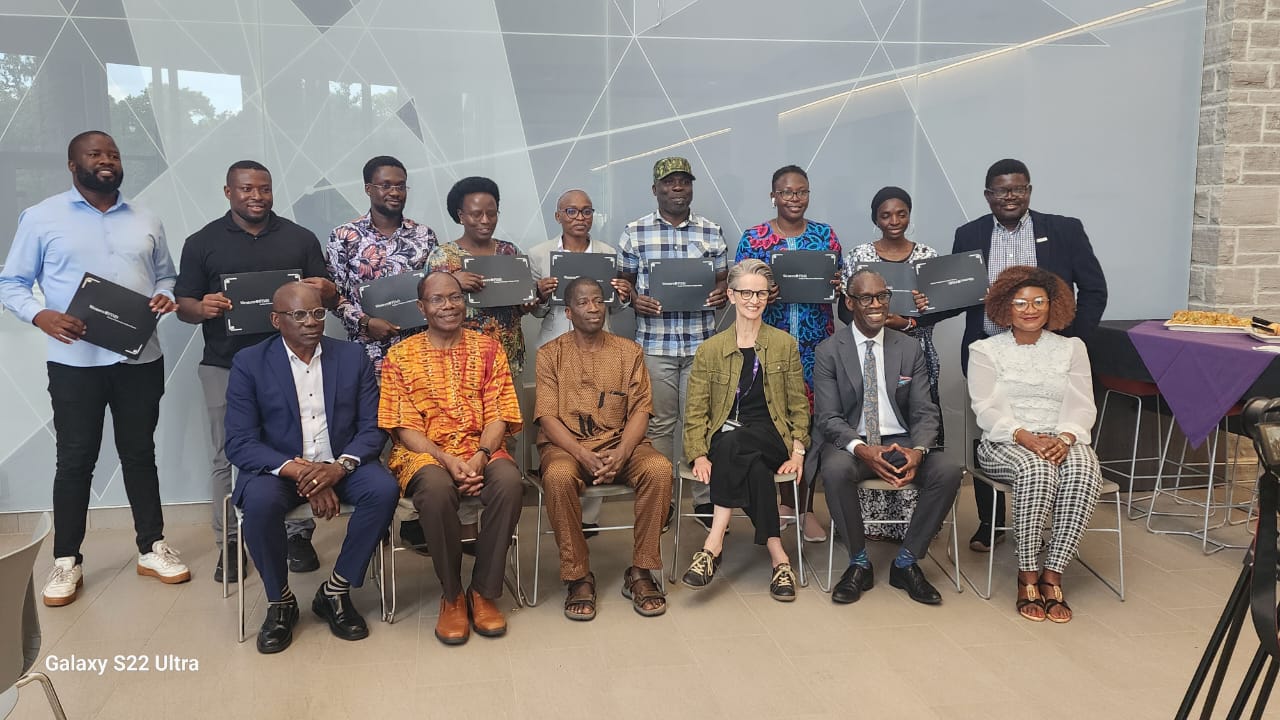
    Participants and facilitators at the Data Science Summer School, Western University, London, Ontario.

    Greetings once again to Dean Professor Lisa Henderson, and Professor Anabel Quan-Haase, Associate Dean of Graduate and Postdoctoral Studies at the Faculty of Information and Media Studies, Western University. With all due respect acknowledged, I stand here representing all of us who have immensely benefited from this intensive program.

    As many of us have mentioned, our motivation for attending this summer school was to learn, unlearn, and relearn, to understand Data Science within the context of LIS education and to practically understand how to use data to tell stories. I believe we all agree that our hopes and motivations for attending this summer school have been thoroughly fulfilled. We are no longer novices in data science. A seed has been planted, and it is now up to us to nurture this knowledge through practice and become the experts that the FIMS Summer School envisioned.

    Dr A.J. Alonge delivering  the closing remarks

    The structure of this summer school was truly effective. Week one served as an introduction, moving from the known to the unknown. We explore into topics such as Introduction to Statistics, including sampling methods and sample size determination, Hypothesis Testing, and Common Parametric and Non-parametric Inferential Statistical Methods.

    We were introduced to R and RStudio, and tackled Predictive Analytics through Multiple Linear Regression, Logistic Regression, and Time Series Analysis. We also explored Classification and Cluster Analysis.

    Today’s project presentations gave us the opportunity to apply some of the knowledge we acquired over these two weeks.

    We recognize that there are gaps in the area of Statistics and Data Science in many LIS curricula across Africa. This summer school has reinforced our resolve to revolutionize LIS curricula to include relevant statistics and data science. We intend to lead the vanguard of curriculum updates, integrating essential elements of data analytics and business analysis—reflecting the modern trends in the LIS profession.

    L-R:  Professor Alfred Akinsete, Professor Felix Famoye & Professor Isola Ajiferuke,

    We sincerely thank our facilitators, led by Professor Isola Ajiferuke, alongside his long-time friends and classmates from the prestigious University of Ibadan—Professor Felix Famoye and Professor Alfred Akinsete—for their innovative teaching and practical sessions. These three scholars, who graduated from the University of Ibadan in 1980, have grown together professionally over the decades. From them, we’ve learned the significant benefits and advantages of maintaining strong friendships for mutual professional and personal growth.

    I must not forget to appreciate Dr. Jumoke Ajanaku, who provided exceptional support during the practical sessions. We are also grateful to the ICT and Media team for their invaluable assistance.  Ebenezer Martin-Yeboah, PhD Candidate, Health Information Science. at Western, was fantastic; he showed great dedication by ensuring our evening fun and transportation, and we especially enjoyed the jazz music in his spacious bus.

    Abundant delicious dinner at Mandarin Chinese Restaurant in Hyde Park, London.

     All work without play makes Phila a dull Mama
    In addition to our intensive engagement in data science, we were well catered for – I will say we were well fed and “fed-up”; we had fun and explored fun… —the visits to Niagara Falls and Grand Bend Beach were fantastic, creating lasting memories.
    Delivered  at the Closing ceremony on July 12, 2024, on behalf of the Data Science Summer Class for LIS, 2024

    Thank you for listening
    _______________

    Stories and articles on Data Science for Information Professionals Summer School, Faculty of Information and Media Studies, Western University, Canada___

    ___________________________

  • Generative AI and the Library of Babel: Delusion or Reality.

    Generative AI and the Library of Babel: Delusion or Reality.

    Generative AI and the Library of Babel: Delusion or Reality.
    By  Azeez ADEOYE (Wizard Librarian)

    The Library of Babel! It’s a fascinating concept that has captivated the imagination of many. The Library of Babel is a thought experiment proposed by Argentine author Jorge Luis Borges in his 1949 short story “The Library of Babel.”

    Imagine a vast, labyrinthine library containing every possible book that could ever be written. Each book has 410 pages, with 40 lines per page, and 80 characters per line. The library is infinite, with an endless number of hexagonal rooms, each containing 410 shelves, and each shelf holding 32 books.

    Here’s the mind-boggling part: every book in the library contains a random combination of letters and symbols, meaning that most books are complete nonsense. However, because the library is infinite, it’s theorized that somewhere within its walls, there must exist books that contain meaningful information, including:

    1. The complete works of every author who has ever written
    2. Every book that will be written in the future
    3. The secrets of the universe and the meaning of life
    4. Books that contradict each other, containing opposing truths

    The Library of Babel raises intriguing questions about the nature of knowledge, language, and reality. It’s a metaphor for the search for meaning and the futility of seeking absolute truth. The library’s infinite nature and the randomness of its contents also allude to the concept of the multiverse and the idea that every possibility exists somewhere.

    Borges’ thought experiment has inspired philosophical debates, mathematical explorations, and artistic interpretations, cementing the Library of Babel as a cultural icon of intellectual curiosity and wonder.

    Based on the nature of generative AI: the ability to generate original content from existing information. Much of the information that would be published from the inception of generative AI would be repetitive and lack originality.

    Libraries, institutions, organisations, nations and all information-driven entities should develop ethical policies and practices for adopting and use of destructive technology. Before it generates into a singularity and extinction of human intelligence.

    The end of the human race is what actors of the invention used to describe AI tools.
    Do you agree?

    written by
    Azeez ADEOYE,
    Wizard Librarian. 22nd May 2024