Tag: Cultural preservation

  • University of Ibadan Don Advocates for Harnessing Cultural Heritage for Sustainable Development

    University of Ibadan Don Advocates for Harnessing Cultural Heritage for Sustainable Development

    University of Ibadan Don Advocates for Learning from the Past to Shape Future Development

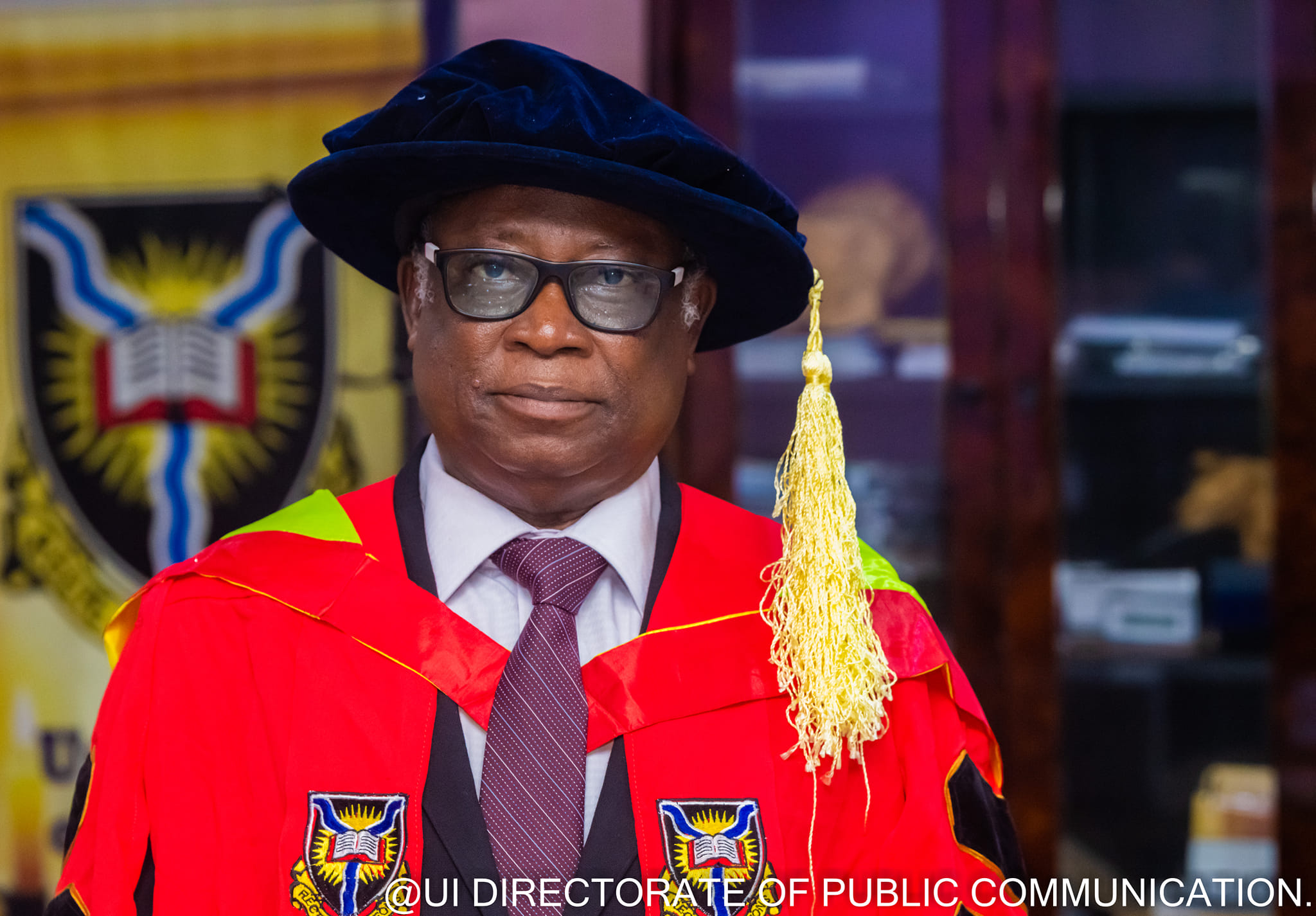
    In a compelling lecture delivered during the 558th Inaugural Lecture at the University of Ibadan, Professor Jonathan Oluyori Aleru, a distinguished scholar of Historical Archaeology, emphasized the crucial need to draw vital lessons from history to chart new pathways for development across all sectors. Professor Aleru’s lecture, titled “Sunset on Yoruba Northern Frontier?“, was presented on behalf of the Faculty of Science.

    Highlighting the untapped potential of cultural resources, Professor Aleru asserted that, if effectively harnessed and developed into tourism capital, these resources could generate a more sustainable and substantial revenue stream than the exploitation of crude oil and solid minerals. He pointed to successful examples from Eastern and Southern Africa, where cultural heritage centers have become significant revenue sources, surpassing income from petroleum and gas industries. Unlike finite natural resources, cultural assets, he noted, are inherently sustainable.

    Professor Aleru expressed concern over the widespread neglect and exploitation of cultural heritage in Nigeria and West Africa, where valuable cultural artifacts are often sold cheaply, leaving communities impoverished both materially and spiritually. He questioned why the destruction and looting of cultural and natural heritage do not receive the same attention as the theft of crude oil, urging authorities to refocus their efforts on preserving these irreplaceable resources.

    Focusing on the Yoruba Northern Frontier—comprising Oyo, Kwara, and Kogi States—Professor Aleru warned of the ongoing and systematic destruction of the region’s rich cultural landscapes. He cited daily human activities, such as farming, infrastructure development, and the exploration of natural resources, as major contributors to the degradation of cultural heritage. Furthermore, he highlighted the growing threat posed by antiquities traffickers, comparing their operations to those of drug traffickers in their sophistication and impact.

    In a call to action, Professor Aleru urged the University of Ibadan’s administration to ensure the survival and advancement of its Department of Archaeology. He stressed that archaeology plays a vital role in addressing the ethnic, political, and religious challenges that arise from Nigeria’s diverse cultural landscape. The discipline, he argued, is essential for fostering a deeper understanding of human differences and preserving the truths of the past.

    The lecture marked the eighth installment in the 2023/2024 inaugural lecture series at the University of Ibadan, underscoring the institution’s commitment to fostering academic discourse on critical national issues.

     TwKeyays for Stakeaakeholders: Emphasizing Cultural Heritage as a Pathway to Sustainable Development
    1. Cultural Heritage as Economic Resource: Cultural resources, when properly harnessed, can provide a more sustainable and profitable revenue stream than traditional natural resources like crude oil and solid minerals.
    2. Successful Global Examples:  Countries in Eastern and Southern Africa have effectively transformed their cultural heritage into significant economic benefits, suggesting a model for Nigeria and West African countries to follow.
    3. Urgent Need for Preservation:  There is a critical need to focus on preserving cultural heritage in Nigeria, as current practices of selling and looting cultural artifacts are unsustainable and impoverishing.\
    4. Infrastructure Investment: Stakeholders should invest in the development of resource centers and infrastructure to protect and showcase cultural heritage, turning it into an economic asset.
    5. Role in National Unity:  Cultural heritage and archaeology play a vital role in addressing ethnic, political, and religious complexities, contributing to national unity and cohesion.
    6. Call for Institutional Support:  The University of Ibadan, and particularly its Department of Archaeology, should receive support to continue its work in preserving cultural heritage and contributing to national development.OptimisticScholar Congratulates Professor Jonathan Oluyori Aleru on His Landmark Achievement
      Congratulations, Professor Aleru, on your remarkable achievement with the landmark presentation of your Inaugural Lecture at the University of Ibadan! Your dedication and expertise in archaeology and anthropology have truly shone through, marking this as a significant milestone in your academic career. This accomplishment reflects your hard work and serves as a source of inspiration to many of us. Well done, Sir!
      _________
      Reference/Credit: Content and images provided by the UI Directorate of Public Communications and obtained from the University of Ibadan’s Facebook page.
  • Advancing Librarianship: Celebrating Leadership and Innovation in South Africa

    Advancing Librarianship: Celebrating Leadership and Innovation in South Africa

    The Librarian Spotlight Programme, which recognizes and amplifies the contributions of exceptional librarians across Africa, is proud to announce Mr. Kepi Madumo as the Librarian of the Month for April 2024. Mr. Madumo, the esteemed National Librarian and CEO of the National Library of South Africa has been celebrated for his profound impact on librarianship in South Africa.

    Anchored by Digital Librarian, Sylvester Ebhonu, the programme shines a light on Mr. Madumo’s transformative leadership and dedication to advancing the library and information science field across the nation. Under his stewardship, the National Library of South Africa has embraced digital technologies, significantly enhancing access to collections and services, especially crucial during the COVID-19 pandemic.

    Mr. Madumo’s extensive career includes roles in both public and academic sectors, ranging from Director of Community Development to Executive Director of Education Programs. His advocacy for continuous learning and professional development is evident in his active involvement in various professional associations and initiatives that underscore the critical role of libraries in societal development.

    During a recent public discussion featured in the Librarian Spotlight Programme, Mr. Madumo highlighted initiatives such as the significant investment in digital infrastructure funded by the Presidential Employment Stimulus. This initiative not only preserved cultural heritage but also provided employment and training opportunities for library and information science graduates.

    His efforts in fostering collaborations with governmental and non-governmental sectors have been pivotal in enhancing the library’s resources and expanding its reach, solidifying its role as a cornerstone of knowledge and culture in South Africa.

    The recognition of Mr. Madumo as Librarian of the Month celebrates his visionary approach and his exceptional contributions to librarianship in Africa. His leadership exemplifies how dedicated professionals can transform libraries into dynamic, inclusive centers of learning and community engagement.

    You can watch the full program featuring Mr. Kepi Madumo on the Librarian Spotlight Programme at [this link](https://www.youtube.com/watch?v=k90Uonnv6lU).