Tag: Education Funding

  • Must-Have Documents for Scholarship Applications in 2025

    Must-Have Documents for Scholarship Applications in 2025

    Securing a scholarship can be a game-changer for students looking to finance their education while minimizing student loan debt. However, the competition for scholarships remains fierce, making it crucial for applicants to gather and submit all the necessary documents on time.

    To streamline the scholarship application process, students should prepare the essential documents in advance. While not every scholarship will require all of these documents, having them readily available will maximize opportunities and ensure seamless submissions.

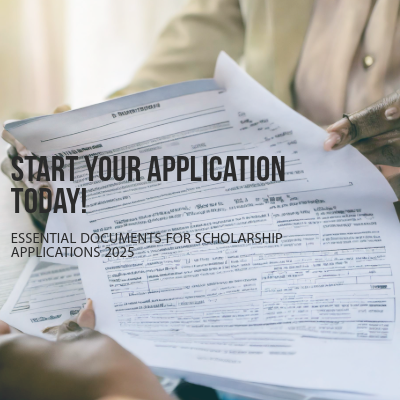
    A close-up of a person's hands reviewing scholarship application materials on a desk, informative, professional

    8 Essential Documents for Scholarship Applications in 2025

    1. Scholarship Application Form

    The scholarship application form is the most fundamental document. It serves as the primary medium for applicants to provide their personal information, academic background, and extracurricular achievements. Each scholarship program will have its unique form, so applicants must carefully complete and review it before submission.

    2. Academic Transcript

    An academic transcript is an official record of a student’s academic performance, listing grades, courses taken, and overall achievements. Scholarship committees rely on transcripts to evaluate eligibility and qualifications. To obtain an official transcript, students must request it from their current or most recent educational institution.

    3. Statement of Purpose (SOP)

    A Statement of Purpose is a personal essay that highlights an applicant’s academic background, career aspirations, and reasons for applying to a particular scholarship. A well-crafted SOP should be engaging, compelling, and typically range between 400 and 500 words. This document plays a pivotal role in persuading the selection committee of the applicant’s dedication and potential.

    4. Curriculum Vitae (CV) or Resume

    A Curriculum Vitae (CV) or resume provides a summary of an applicant’s educational qualifications, work experience, skills, and notable achievements. It should be concise yet comprehensive, ensuring that the scholarship committee gains a clear understanding of the applicant’s professional and academic journey.

    5. Letter of Recommendation

    A Letter of Recommendation is a testimonial written by a teacher, professor, employer, or mentor who can vouch for the applicant’s character, academic capabilities, and potential. Scholarship applicants should seek recommendations from individuals who are reputable in their fields and can provide strong endorsements.

    6. International Passport

    For students applying for international scholarships, an international passport is a mandatory document. It serves as proof of identity and nationality, enabling applicants to travel abroad for their studies. Students should ensure that their passports are valid for the intended duration of their academic programs.

    7. Test of English Proficiency

    Many scholarships, especially those offered by institutions in English-speaking countries, require applicants to demonstrate English proficiency. Standardized tests such as the IELTS, TOEFL, or other recognized exams assess an applicant’s ability to read, write, and communicate in English effectively. Candidates should verify the specific language requirements for each scholarship.

    8. Study Plan

    A study plan is a detailed outline of an applicant’s educational and career goals. It specifies what they intend to study, how they plan to achieve their academic objectives, and how the scholarship will contribute to their success. A well-structured study plan enhances the applicant’s credibility and demonstrates their commitment to education.

    Additional Requirements

    Some scholarships may have additional requirements, such as a portfolio of work, writing samples, or proof of extracurricular involvement. It is essential for applicants to review each scholarship’s specific criteria carefully to avoid missing any crucial documents.

    Final Thoughts

    By preparing and organizing these essential documents in advance, applicants can significantly improve their chances of securing a scholarship. Ensuring that all required materials are submitted in the correct format and before the deadline will help create a strong, compelling application.

    For more scholarship tips and updates, stay connected and explore opportunities that align with your academic and career goals.

  • 8 Essential Documents for Winning Scholarships in 2024

    8 Essential Documents for Winning Scholarships in 2024

    Scholarships offer an invaluable opportunity to fund your education and reduce the burden of student loans. However, the scholarship application process is often competitive, and having the right documents ready can make all the difference in standing out. Here, we’ll cover the eight must-have documents for 2024 scholarship applications and tips to ensure you’re prepared.

    Getting organized and having these documents on hand can significantly streamline the process, allowing applicants to submit multiple applications efficiently. While not every scholarship requires all of these documents, it’s wise to keep them ready in case they are needed. Submitting everything on time and in the required format is crucial to maximizing the chances of success.

    A visually appealing design featuring essential documents for scholarships in 2024, informative, professional

    1. Scholarship Application Form

    The application form is the cornerstone of any scholarship application. This form includes personal information, such as contact details, academic history, and extracurricular activities. Completing this form accurately and thoroughly is vital, as it’s the first impression the scholarship committee will have of the applicant.

    2. Transcript

    A transcript is an official document that provides a record of the applicant’s academic performance, typically in high school or college. Scholarship committees use transcripts to assess academic eligibility and qualifications. It’s essential to request the transcript well in advance and ensure it reflects the most recent academic achievements.

    3. Statement of Purpose (SOP)

    The Statement of Purpose is a critical element that can set an applicant apart. This document allows the applicant to share their personal and academic background, as well as their motivation for applying to the specific scholarship. An effective SOP should be between 400 and 500 words, concise yet compelling, and tailored to the scholarship’s objectives. Creativity and clarity are key to crafting a strong SOP.

    4. Curriculum Vitae (CV) or Resume

    A CV or resume outlines the applicant’s professional, academic, and extracurricular experiences. It should highlight work experience, education, skills, achievements, and relevant volunteer activities. A well-structured CV provides the scholarship committee with a quick overview of the applicant’s qualifications, showcasing their readiness for the scholarship.

    5. Letters of Recommendation

    Letters of recommendation serve as testimonials from respected individuals who can attest to the applicant’s character, abilities, and potential. Typically, these letters are written by teachers, professors, employers, or mentors. Choosing recommenders who are familiar with the applicant’s strengths and achievements can significantly enhance the application’s credibility. Remember to give recommenders ample time to write the letters and to provide them with relevant details about the scholarship.

    6. International Passport

    For applicants intending to study abroad, an international passport is a necessary document. This passport confirms identity, nationality, and serves as an essential travel document. It’s wise to ensure that the passport is valid for the duration of the study period and to apply for it well before the application deadlines to avoid delays.

    7. Proof of English Language Proficiency

    Most scholarships for international students require proof of English language proficiency. Commonly accepted tests include IELTS, TOEFL, and PTE Academic. This requirement is especially critical for students applying to English-speaking countries or programs. Applicants should research the specific language proficiency requirements for each scholarship and plan to take the test well in advance of deadlines.

    8. Study Plan

    A study plan is a detailed schedule that outlines how the applicant intends to approach their education. It should cover the specific courses or subjects the applicant plans to study, study methods, and educational goals. A well-thought-out study plan demonstrates the applicant’s commitment and readiness to succeed in their chosen field.

    Additional Requirements to Consider

    While the above documents cover the most common requirements, some scholarships may ask for additional items such as portfolios, samples of academic writing, or specific project proposals. Applicants should thoroughly review the requirements for each scholarship they pursue and ensure they meet any extra criteria.

    Conclusion

    Having these essential documents prepared and submitted in a timely, organized manner can significantly increase an applicant’s chances of winning a scholarship. Preparation is key, as it not only helps to submit applications more efficiently but also allows applicants to focus on showcasing their strengths and qualifications. As scholarship opportunities can be highly competitive, paying attention to detail and meeting all requirements on time are critical steps toward success.

    Final Tip: Always double-check the scholarship guidelines and deadlines for each application to ensure you’re meeting all the criteria. Best of luck on your scholarship journey in 2024!