Tag: Inaugural Lecture

  • University of Ibadan Don Advocates for Harnessing Cultural Heritage for Sustainable Development

    University of Ibadan Don Advocates for Harnessing Cultural Heritage for Sustainable Development

    University of Ibadan Don Advocates for Learning from the Past to Shape Future Development

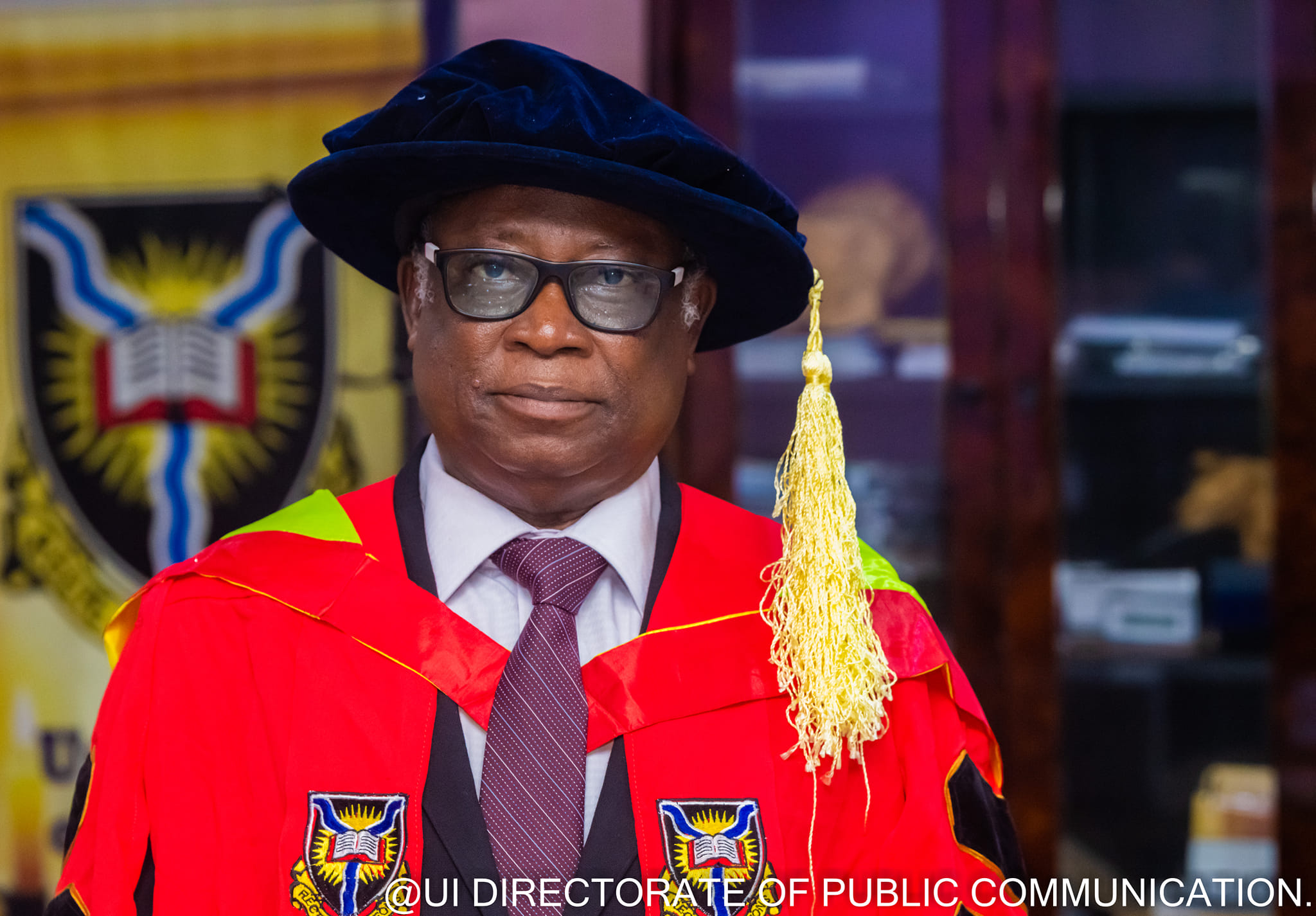
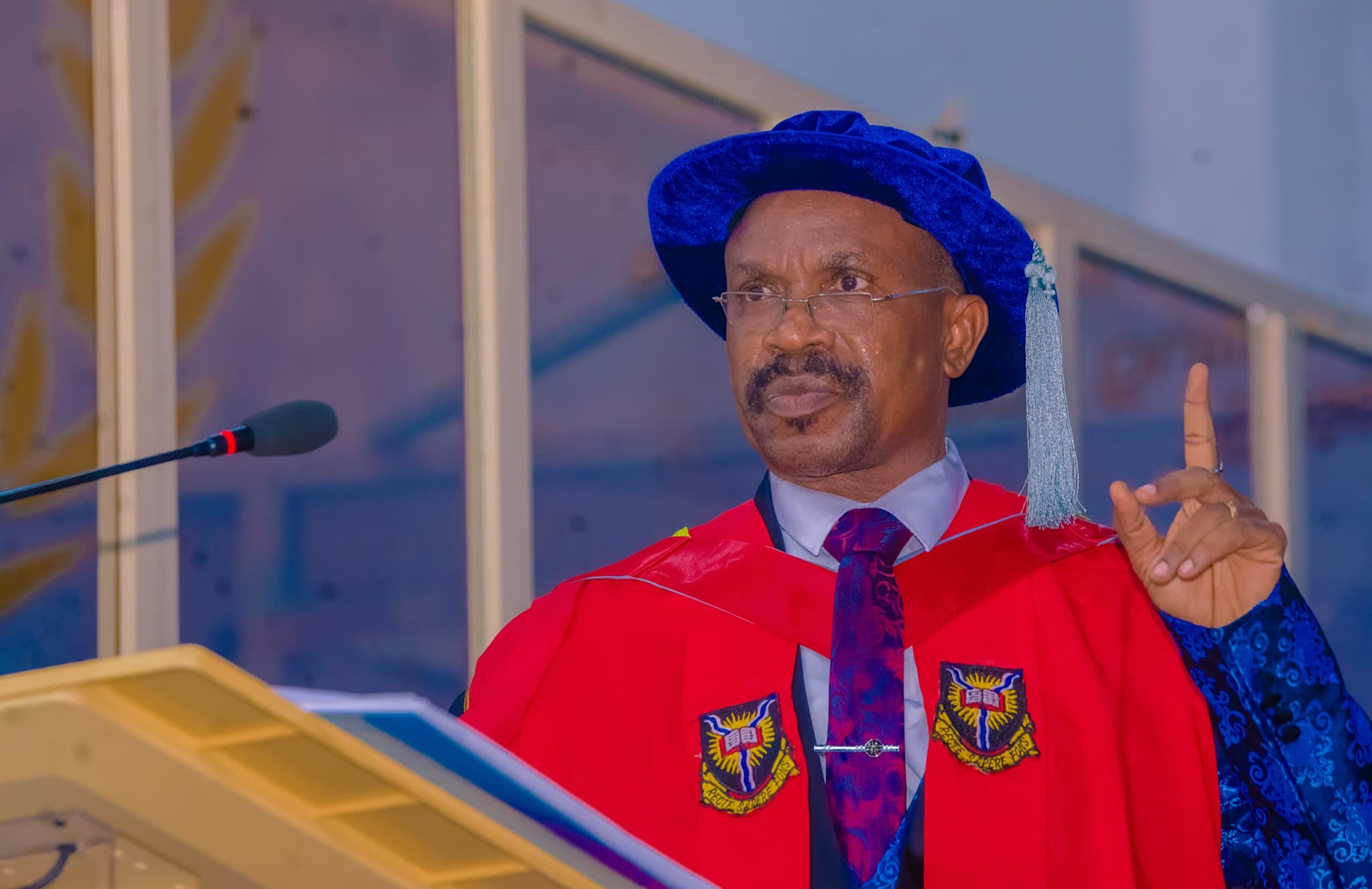
    In a compelling lecture delivered during the 558th Inaugural Lecture at the University of Ibadan, Professor Jonathan Oluyori Aleru, a distinguished scholar of Historical Archaeology, emphasized the crucial need to draw vital lessons from history to chart new pathways for development across all sectors. Professor Aleru’s lecture, titled “Sunset on Yoruba Northern Frontier?“, was presented on behalf of the Faculty of Science.

    Highlighting the untapped potential of cultural resources, Professor Aleru asserted that, if effectively harnessed and developed into tourism capital, these resources could generate a more sustainable and substantial revenue stream than the exploitation of crude oil and solid minerals. He pointed to successful examples from Eastern and Southern Africa, where cultural heritage centers have become significant revenue sources, surpassing income from petroleum and gas industries. Unlike finite natural resources, cultural assets, he noted, are inherently sustainable.

    Professor Aleru expressed concern over the widespread neglect and exploitation of cultural heritage in Nigeria and West Africa, where valuable cultural artifacts are often sold cheaply, leaving communities impoverished both materially and spiritually. He questioned why the destruction and looting of cultural and natural heritage do not receive the same attention as the theft of crude oil, urging authorities to refocus their efforts on preserving these irreplaceable resources.

    Focusing on the Yoruba Northern Frontier—comprising Oyo, Kwara, and Kogi States—Professor Aleru warned of the ongoing and systematic destruction of the region’s rich cultural landscapes. He cited daily human activities, such as farming, infrastructure development, and the exploration of natural resources, as major contributors to the degradation of cultural heritage. Furthermore, he highlighted the growing threat posed by antiquities traffickers, comparing their operations to those of drug traffickers in their sophistication and impact.

    In a call to action, Professor Aleru urged the University of Ibadan’s administration to ensure the survival and advancement of its Department of Archaeology. He stressed that archaeology plays a vital role in addressing the ethnic, political, and religious challenges that arise from Nigeria’s diverse cultural landscape. The discipline, he argued, is essential for fostering a deeper understanding of human differences and preserving the truths of the past.

    The lecture marked the eighth installment in the 2023/2024 inaugural lecture series at the University of Ibadan, underscoring the institution’s commitment to fostering academic discourse on critical national issues.

     TwKeyays for Stakeaakeholders: Emphasizing Cultural Heritage as a Pathway to Sustainable Development
    1. Cultural Heritage as Economic Resource: Cultural resources, when properly harnessed, can provide a more sustainable and profitable revenue stream than traditional natural resources like crude oil and solid minerals.
    2. Successful Global Examples:  Countries in Eastern and Southern Africa have effectively transformed their cultural heritage into significant economic benefits, suggesting a model for Nigeria and West African countries to follow.
    3. Urgent Need for Preservation:  There is a critical need to focus on preserving cultural heritage in Nigeria, as current practices of selling and looting cultural artifacts are unsustainable and impoverishing.\
    4. Infrastructure Investment: Stakeholders should invest in the development of resource centers and infrastructure to protect and showcase cultural heritage, turning it into an economic asset.
    5. Role in National Unity:  Cultural heritage and archaeology play a vital role in addressing ethnic, political, and religious complexities, contributing to national unity and cohesion.
    6. Call for Institutional Support:  The University of Ibadan, and particularly its Department of Archaeology, should receive support to continue its work in preserving cultural heritage and contributing to national development.OptimisticScholar Congratulates Professor Jonathan Oluyori Aleru on His Landmark Achievement
      Congratulations, Professor Aleru, on your remarkable achievement with the landmark presentation of your Inaugural Lecture at the University of Ibadan! Your dedication and expertise in archaeology and anthropology have truly shone through, marking this as a significant milestone in your academic career. This accomplishment reflects your hard work and serves as a source of inspiration to many of us. Well done, Sir!
      _________
      Reference/Credit: Content and images provided by the UI Directorate of Public Communications and obtained from the University of Ibadan’s Facebook page.
  • Integrate Sports into Social Orientation Programs, Urges UI Professor

    Integrate Sports into Social Orientation Programs, Urges UI Professor

    In a compelling call to action, Professor Andrew Olu Fadoju, an esteemed academic in Education, Sports Psychology, and Leisure Studies, urged the government to integrate sports into social orientation programs for greater effectiveness. This recommendation was made during his delivery of the 555th Inaugural Lecture on Thursday, July 25th, 2024, at the University of Ibadan, representing the Faculty of Education. The Deputy Vice-Chancellor Administration of the University of Ibadan, Professor Peter O. Olapegba, presented the Vice-Chancellor, Professor Kayode O. Adebowale, as the inaugural lecturer. The event was  attended by other principal officers, including the deputy vice-chancellors, the librarian, the registrar, and the bursar. The Dean of the Faculty of Education, Professor Femi Adegbesan, alongside other professors, eminent personalities, and family and friends of Professor Fadoju, also graced the occasion.

    The Role of Sports in Education and Social Change

    Professor Fadoju emphasized the multifaceted role sports play in society. He noted that sports are not only a platform for conveying educational, public health, safety, and environmental messages but also a powerful tool for fostering individual development and learning. According to him, sports have the unique ability to bring people together, build confidence, and promote teamwork.

     Bonding Through Sports

    Professor Fadoji with The Deputy Vice-Chancellor Administration, Professor Peter O. Olapegba,

    In his lecture titled “Bonding Through Sports: The Electrovalent and Covalent Nature of Gregarious Beings,” Professor Andrew Olu Fadoju emphasized the transformative power of sports in promoting social cohesion and policy change. He highlighted how sports, much like chemical bonds, create strong connections among individuals and communities, fostering unity and solidarity. By participating in sports, people from diverse backgrounds come together, enhancing personal development and empowering communities to advocate for themselves and drive social change. Professor Fadoju argued that the collaborative nature of sports encourages teamwork, mutual respect, and understanding, which are crucial for addressing local challenges and improving quality of life. He underscored the importance of integrating sports into social orientation programs to leverage these benefits, ultimately building a more connected and proactive society.

    Recommendations for Sports Development

    Professor Fadoju laid out several recommendations to prioritize sports development:

    • Integration into Social Programs:  Sports should be seamlessly integrated into social orientation programs to maximize their impact.
    • Priority in Infrastructure:  The provision and maintenance of sports facilities, equipment, and supplies should be prioritized to prevent youth restiveness and ensure continuous engagement.
    • Policy Enactment: There should be robust policies in place to support athletes and prevent them from being lured abroad by foreign scouts.

    Conclusion

    The call for integrating sports into social programs underscores the broader role of sports beyond phy

    sical activity. It highlights sports as a vehicle for education, social cohesion, and community development. The lecture by Professor Fadoju, the fifth in the series for the 2023/2024 academic session, serves as a pivotal reminder of the potential of sports to drive meaningful change.

    OptimisticScholar congratulates Professor Andrew Olu Fadoju on this landmark achievement. We hope that by heeding Professor Fadoju’s recommendations, governments and policymakers can harness the power of sports to build more cohesive, resilient, and proactive communities.
    __________
    Credit: Some content and images are provided by the UI Directorate of Public Communication.