
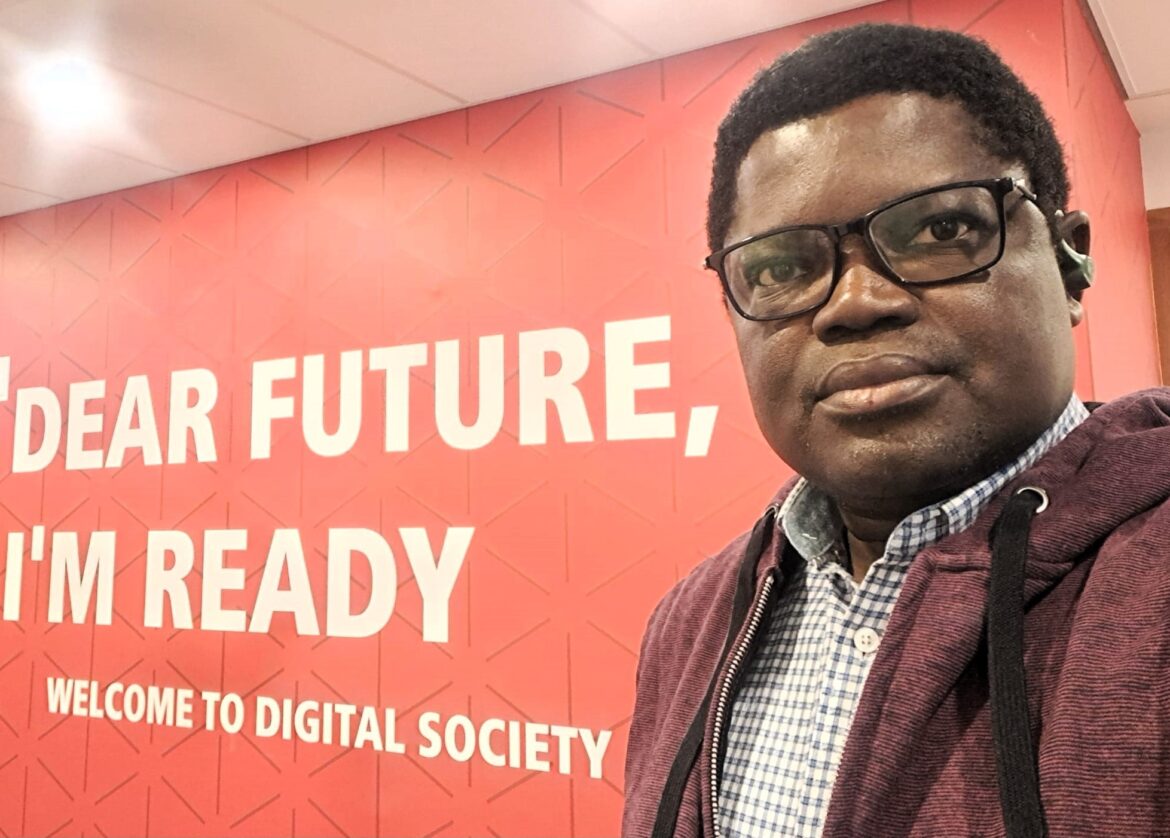
My Digital Transformation Journey at DSS: Week One – The week of September 2, 2024
 It’s been a long time coming, but I’m finally here—part of the Fall 2024 cohort at the Digital Society School (DSS) as a Digital Transformation trainee and researcher at the Amsterdam University of Applied Sciences, Netherlands. This moment marks the start of an exciting new chapter in my life: the Digital Transformation Intensive Programme*. Over the next 20 weeks, this journey promises to challenge me, ignite my creativity, and deepen my understanding of innovation and societal impact.
Dear future, I’m ready! Let’s go!
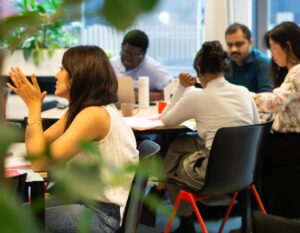 Our cohort is a melting pot of cultures and disciplines, with individuals from across the globe coming together. Each of us brings a unique professional background, making us a truly multidisciplinary community of changemakers. We are united by a shared commitment to using digital transformation as a tool to address today’s pressing societal challenges. DSS is known for nurturing creativity through its hands-on, experimental approach and fostering a culture of making and learning through practice.
Week One: A Foundation for Growth
The first week has been a whirlwind of introductions, orientations, and immersive learning. As we settle into this high-energy programme, which blends research, project implementation, and intense sprints, the excitement is palpable.
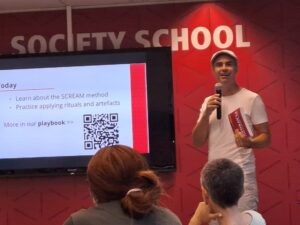 Our journey began with a heartfelt welcome from Marco van Hout, Co-founder of DSS, and key faculty members from the Digital Society School. The enthusiasm was contagious as they introduced themselves and shared their vision for our time at DSS. Jeroen Groeneveld, DSS’s Talent and Process Coordinator, and Ocean Conijn, Head of Programs guided us through the program’s intricacies, giving us a glimpse of the path ahead.
Discovering SCREAM: A New Approach to Project Management
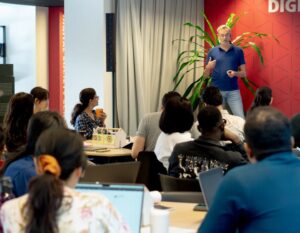
One of the highlights of the week was our introduction to SCREAM, a project management methodology that’s uniquely DSS. SCREAM blends elements of **Scrum**, **Creativity**, and **Multidisciplinary Collaboration**, offering a fresh approach to tackling complex digital challenges. As we explored the framework, we dived into its core practices—stand-up meetings, retrospectives, and creative problem-solving.
By the end of the session, we were already armed with strategies to keep our projects on track, refine prototypes, manage time effectively, and embrace flexibility. SCREAM takes the agile principles of Scrum and infuses it with **Design Thinking**, using creative tension as a catalyst for innovation. Central to this methodology is **Diversity and Inclusion**, ensuring that a broad range of perspectives drive new ideas and solutions.
Embracing Design Thinking
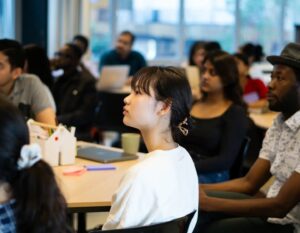
Another major theme of the week was **Design Thinking**—a human-centered, creative approach to problem-solving. Rooted in empathy, the process pushes us to deeply understand user needs, define the challenges at hand, brainstorm potential solutions, and test those solutions in iterative cycles.
What resonated with me most is how Design Thinking encourages us to adopt a beginner’s mindset. It strips away preconceived notions, inviting us to explore with curiosity and creativity. This process is especially valuable when addressing wicked problems—complex, multifaceted issues that lack simple solutions and demand collaboration, adaptability, and constant iteration.
Designing for Transformation
Marco van Hout’s session on Designing for Transformation was one of the most thought-provoking moments of the week. He emphasized that, in an era of rapid change, the key to solving today’s societal challenges lies in fostering a learning mindset. This means continuously learning, unlearning, and re-strategizing to adapt to an ever-changing, tech-driven world.
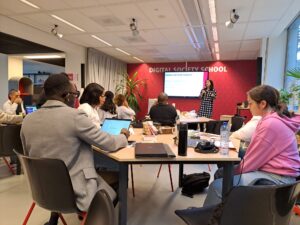
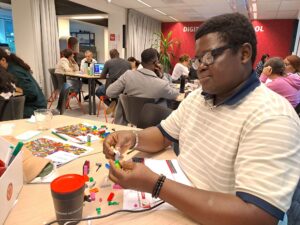
The practical tools we were introduced to are designed to tackle some of the most pressing global challenges. Marco’s focus on personal growth, adaptability, and the belief that we can continuously improve our skills resonated with me deeply. It reinforced the idea that transformation—whether personal or societal—requires effort, resilience, and a willingness to embrace change.
Gratitude to the Visionaries
I want to extend my heartfelt gratitude to the founders of DSS for creating this remarkable initiative with the potential to change the world.
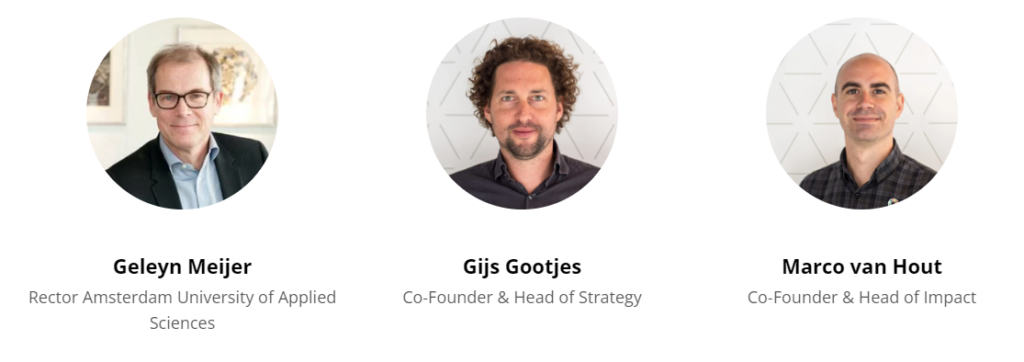 Special thanks to Geleyn Meijer, Rector of the Amsterdam University of Applied Sciences; Gijs Gootjes, Co-Founder and Head of Strategy; and Marco van Hout, Co-Founder and Head of Impact. Your visionary leadership is inspiring a new wave of digital transformation for societal good.
Looking Ahead: Dear Future, I’m Ready!
As we wrap up week one, it feels like we’ve only just scratched the surface of what’s to come. The next few months will see us exploring even deeper into the realms of digital transformation, societal impact, and real-world applications of the methodologies we’ve begun to explore. I’m eager to see how the journey unfolds as we collaborate, create, and make a meaningful difference.
Dear future, I’m ready! Let’s go!
______
Written by
Ayodele John Alonge


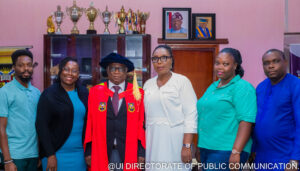
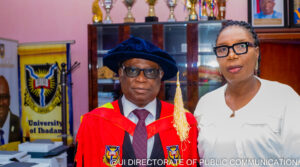
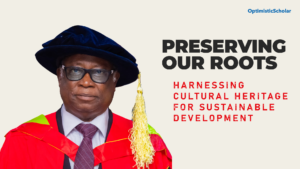
 In a compelling lecture delivered during the 558th Inaugural Lecture at the University of Ibadan,
  Focusing on the Yoruba Northern Frontier—comprising Oyo, Kwara, and Kogi States—Professor Aleru warned of the ongoing and systematic destruction of the region’s rich cultural landscapes. He cited daily human activities, such as farming, infrastructure development, and the exploration of natural resources, as major contributors to the degradation of cultural heritage. Furthermore, he highlighted the growing threat posed by antiquities traffickers, comparing their operations to those of drug traffickers in their sophistication and impact.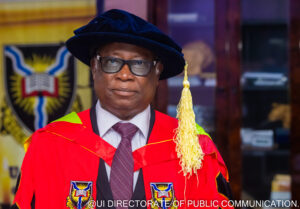
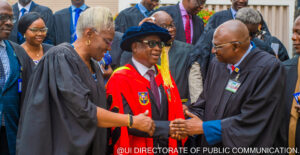
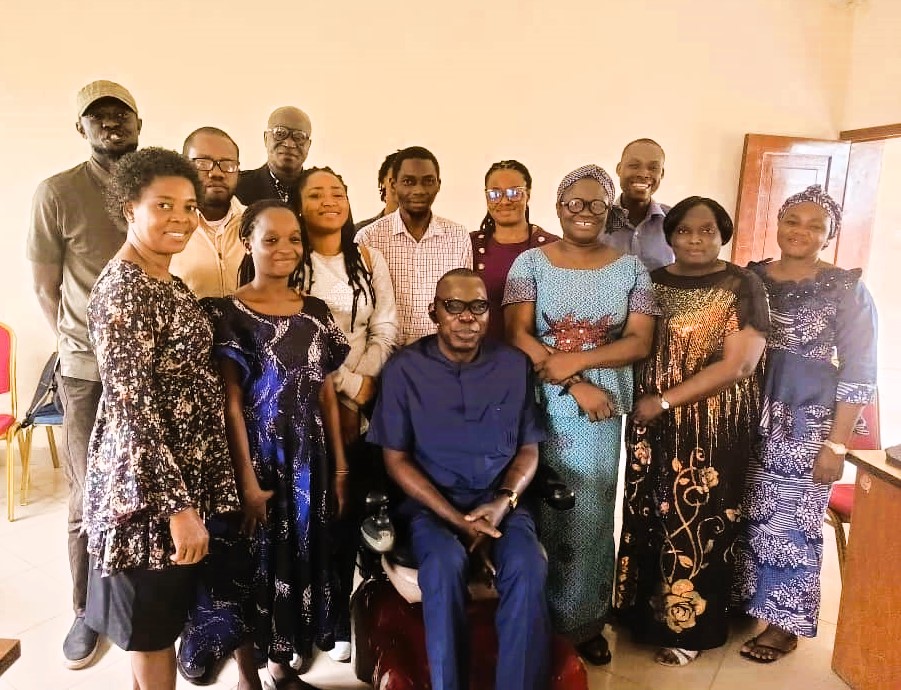
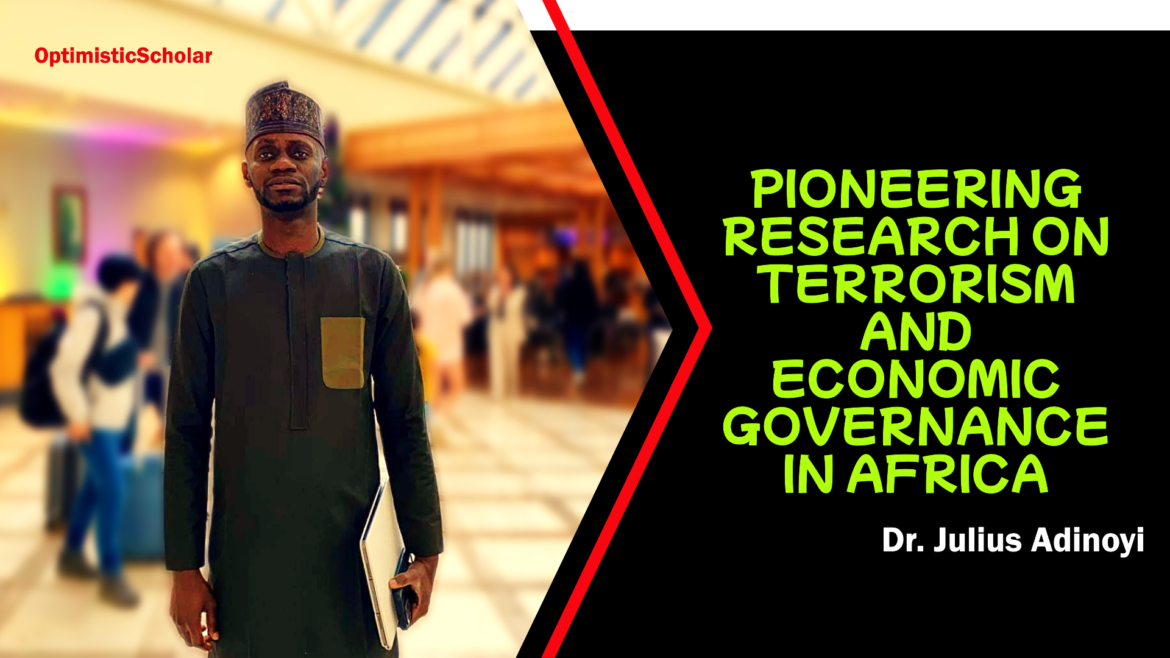
 Julius A. Adinoyi has recently marked a significant milestone by completing his thesis in International Studies at the University of Nairobi, Kenya. Hailing from Okene, Kogi State, Nigeria, Adinoyi’s academic journey stands as a powerful testament to his unwavering dedication, resilience, and deep passion for scholarly inquiry.
 At The